

PATIENT GUIDE TOPIC

Understanding your dental assessment

How do examination findings become a treatment decision?

Start with what the dentist has found, then ask how each recommendation follows from it. A clear explanation is the foundation for comparing your options.

Choose a reading route
THREE WAYS INTO THIS TOPIC

Your assessment

  1. I have an appointment to prepare for

    Organise your concerns, existing records and preferred pace before the consultation. Choose questions that match what you need from the appointment.

  2. I need to understand a finding or scan

    Ask what the investigation adds to the examination and which treatment decision depends on its result.

  3. I am comparing recommendations

    Put the reasons, alternatives and remaining uncertainty beside each proposal before agreeing to irreversible work.

An overview of this topic’s reading routes. Choose a route below to find the related guides.

KEEP THE WHOLE PICTURE IN VIEW

A map for your next conversation

  1. Describe

    Your concern, history and priorities in your own words.

  2. Understand

    The findings, unanswered questions and proposed alternatives.

  3. Decide

    A documented next step after your questions are answered.

A discussion map, not a diagnosis or a prescribed treatment sequence.

START WITH THE BIG QUESTIONS

Understanding this topic

What an assessment tells you

A dental assessment explains what is happening in your mouth and which choices are reasonable. Bring your symptoms, previous dental records and current medicine list. Photographs can help describe a concern, but they cannot replace an examination. Scans and other tests should answer a clinical question.

What to take away

You should understand the findings, the options and what may change. Ask which teeth need attention, what can be monitored and who will provide each part of your care. If two plans differ, take both to a dentist for an independent explanation before agreeing to irreversible work.
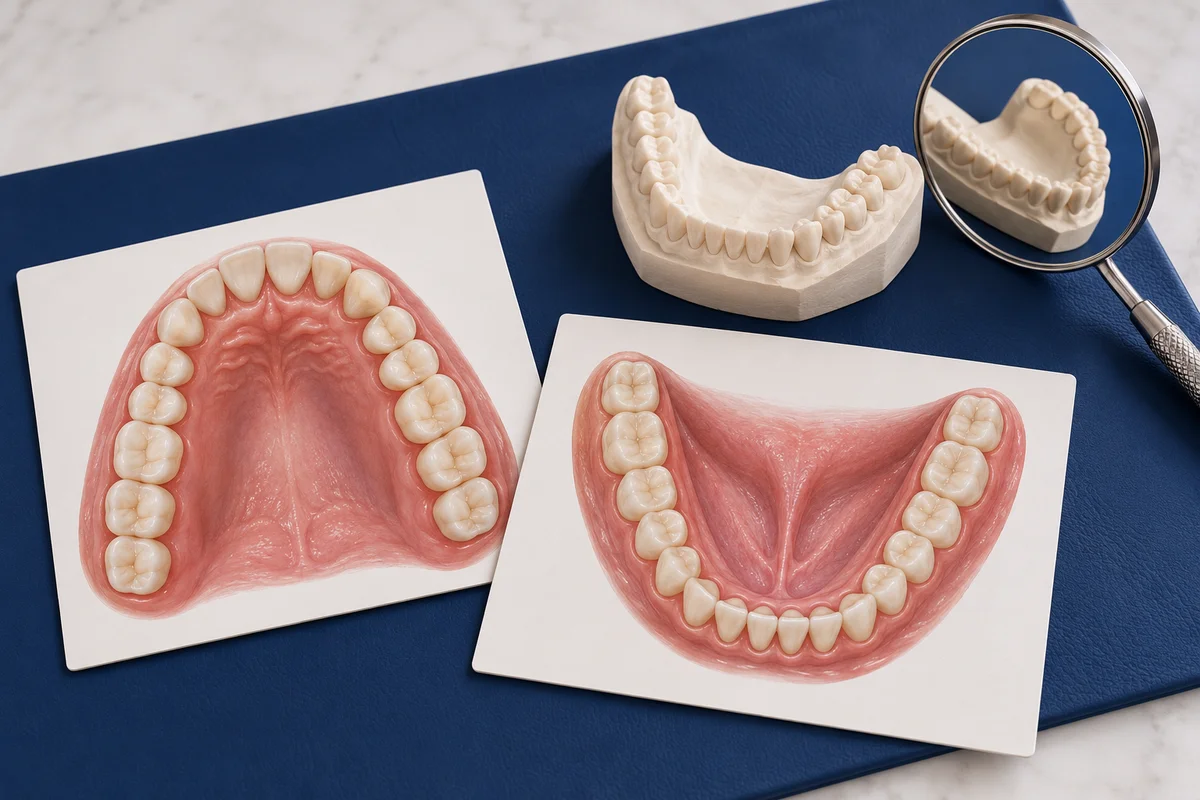
Upper and lower arch illustrations beside a plaster dental cast and its reflection in a mirror.
Illustrated explanation: Your left and right A chart and a reflected view can look different. Check the jaw, tooth name and your own left or right with the clinician. Illustration for general information; not a patient result.

CHOOSE YOUR STARTING POINT

Which question brought you here?

Choose the route closest to your situation. The links explain questions to discuss with a professional.

18 RELATED GUIDES

Explore your assessment

Topic reading and closely related questions, including the guides in the routes above.

  1. Your goals
  2. Your options
  3. Your decision

PREPARE FOR YOUR CONSULTATION

Approx. 3 min read

Questions for your dentist

Questions for a dental consultation: your goals, treatment options, costs, appointments and aftercare.

Read the guide
  1. Explain
  2. Agree
  3. Review

PREPARE FOR YOUR APPOINTMENT

Approx. 3 min read

Planning around dental anxiety

Discuss dental anxiety, consent, appointment pace, pause signals and support before treatment or travel.

Read the guide
  1. Purpose
  2. Previous images
  3. Assessment

UNDERSTAND YOUR ASSESSMENT

Approx. 3 min read

Understanding dental scans

Why imaging is recommended, how CBCT differs from ordinary X-rays, and questions about pregnancy and records.

Read the guide
  1. Locate
  2. Assess
  3. Decide

UNDERSTAND A DENTAL FINDING

Approx. 3 min read

Understand extra adult teeth

Understand extra or supernumerary adult teeth, including examination, effects on nearby teeth, monitoring, removal questions and follow-up.

Read the guide
  1. Identify
  2. Share records
  3. Follow instructions

PREPARE ACCURATE DEVICE RECORDS

Approx. 3 min read

Dental work and an MRI scan

Prepare information about fillings, crowns, implants, braces and removable appliances for MRI screening without treating a material name as scan clearance.

Read the guide
  1. Current concern
  2. Earlier care
  3. Coordination

COORDINATE SPECIALIST ADVICE

Approx. 3 min read

Returning to adult cleft care

Prepare for an adult cleft-service referral, gather earlier records and coordinate routine dentistry with specialist restorative advice.

Read the guide
  1. Purpose
  2. Permission
  3. Results

ASSESSMENT & RESULTS

Approx. 3 min read

Understand a mouth biopsy

Follow the adult mouth-biopsy journey: the reason for a sample, consent questions, pathology, aftercare and making sure someone explains your result.

Read the guide
  1. Match the scope
  2. Keep gaps visible
  3. Avoid a score

MAKE THE DIFFERENCES CLEAR

Approx. 2 min read

Compare different treatment plans

Put two dental plans side by side and record the findings, alternatives and questions behind any disagreement.

Read the guide
  1. Orientation
  2. Numbering
  3. Meaning

UNDERSTAND YOUR ASSESSMENT

Approx. 3 min read

Reading your tooth chart

Adult tooth-numbering systems, left and right on charts, and how to verify the tooth named in a treatment plan.

Read the guide
  1. Feasibility
  2. Outlook
  3. Review

UNDERSTAND YOUR ASSESSMENT

Approx. 3 min read

Understanding tooth prognosis

What affects a tooth’s outlook, how treatment may change it and how to compare options when the future is uncertain.

Read the guide
  1. Impression
  2. Surface scan
  3. Clinical assessment

UNDERSTAND YOUR ASSESSMENT

Approx. 3 min read

Digital scans and impressions

How surface scans and physical impressions record your teeth, what to expect and how they differ from X-rays.

Read the guide
  1. Contacts
  2. Movement
  3. Decision

UNDERSTAND YOUR ASSESSMENT

Approx. 3 min read

Understanding a bite assessment

How dentists assess tooth contacts and jaw movement, and what to discuss before altering a tooth or restoration.

Read the guide
  1. Purpose
  2. Credentials
  3. Handover

UNDERSTAND YOUR ASSESSMENT

Approx. 3 min read

Dental referral roles

Common dental specialties, how to check professional titles and who remains responsible for treatment, reports and reviews.

Read the guide
  1. Beyond the teeth
  2. Changes to report
  3. Follow-up

UNDERSTAND YOUR ASSESSMENT

Approx. 3 min read

Checking the soft tissues

What a soft-tissue examination covers, which mouth changes need assessment and how to follow up reviews or referrals.

Read the guide
  1. Start small
  2. Share context
  3. Set priorities

RETURN TO DENTAL CARE

Approx. 3 min read

Returning to dental care

What to say when booking, useful information to bring and how to agree a manageable first step.

Read the guide
  1. Question
  2. Evidence
  3. Choice

CHECK THE CLINICAL DECISION

Approx. 3 min read

A second dental opinion

How to prepare for a second dental opinion, choose the assessment, share records and understand different recommendations.

Read the guide
  1. Personal
  2. Flexible
  3. Purpose

PLAN PREVENTIVE CARE

Approx. 3 min read

When to have a review

Why dental check-up intervals vary, what affects your next review and how routine care differs from treatment follow-up.

Read the guide
  1. Scope
  2. Extras
  3. Terms

UNDERSTAND THE COMPLETE COST

Approx. 3 min read

Compare dental quotes

Check dental quotes for treatment scope, components, stages, travel, payment terms and aftercare.

Read the guide

Educational illustrations and illustrative photography.

ABOUT THIS INFORMATION

Sources and scope

Published by Best Smile Turkey, a health-tourism intermediary. This topic is general adult patient information to help organise reading and questions. It does not replace an examination or advice from your treating professionals. Each linked guide includes its own more specific sources.

How to use our patient information