

On this page
A KEY QUESTION
Ask the dentist to identify the extra tooth and explain the reason for monitoring it or recommending treatment.
Confirm exactly what has been found
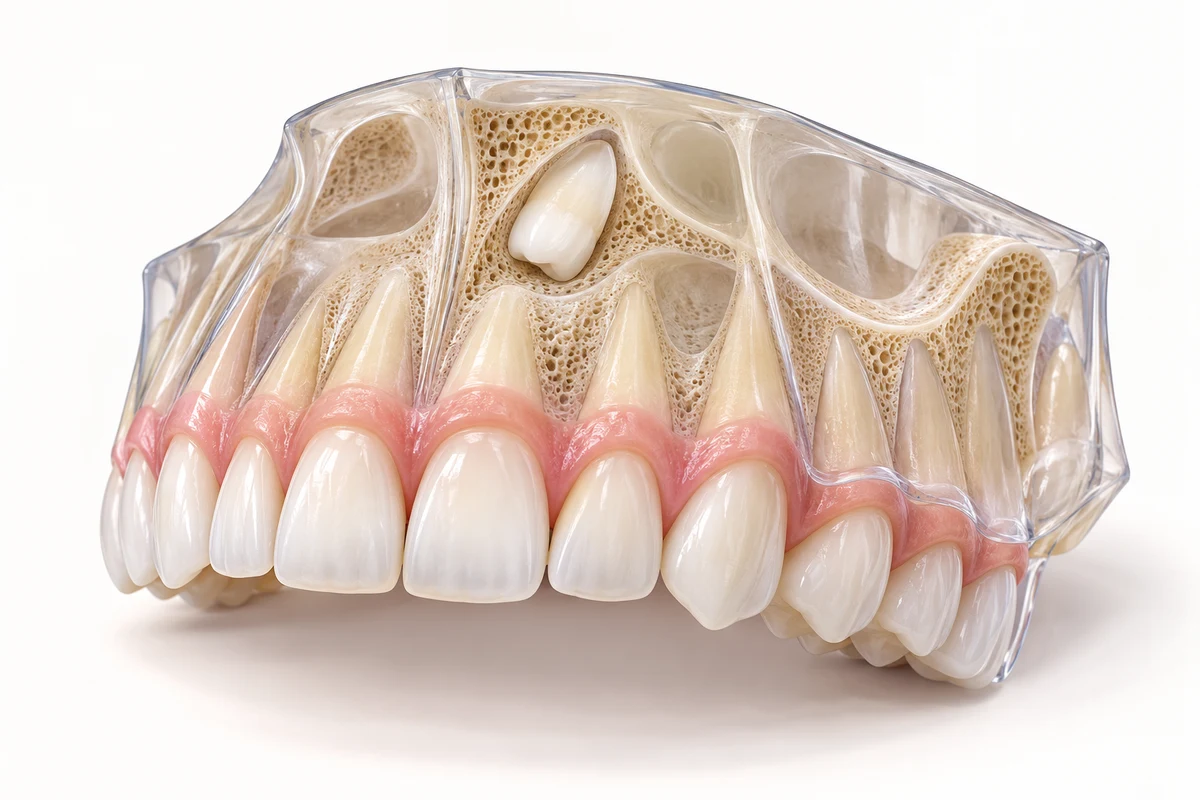
A dentist can assess visible extra teeth during an examination. X-rays, and sometimes other imaging, help locate buried teeth. Ask to see the finding and have its position explained before trying to interpret a tooth count yourself.
If an old image is available, ask whether it would help the assessment. Write down the clinical term used and the question any further investigation is intended to answer.
Separate the finding from its effects
Extra teeth can be associated with crowding, chewing problems, difficulty cleaning or effects on other teeth. Some cause no problems. Ask which effects are actually present in your mouth and which are only possibilities.
Describe any food trapping, discomfort or concern about appearance in your own words. A photograph or another person’s story cannot establish which option is appropriate for you.
Compare monitoring with treatment
Removal may be discussed when the extra tooth interferes with oral health or function. For a complex position or medical history, ask whether an oral-surgery referral is appropriate. Barts Health lists supernumerary teeth among problems its oral-surgery service manages.
Ask what benefit removal is intended to achieve, what its particular risks are and what monitoring would involve. An upcoming cosmetic trip should not replace that explanation. If more than one tooth is proposed for removal, ask for a separate reason for each.
Keep the next step specific
Bring relevant letters, results and your medicine list to a specialist consultation. Confirm who will explain the assessment and how your usual dentist receives the plan. Specialist surgery does not replace routine dental care.
If monitoring is agreed, record the review arrangement and the changes you should report sooner. NHS advice is to contact your dental surgery about problems between check-ups. Keep any cleaning difficulties on the agenda rather than waiting for the next image.
Read the related guidance
Keep the wider treatment plan in view while comparing these options.
Choose questions to ask.
Select your questions and copy the list, or open it as a WhatsApp draft. You can edit the message before sending.
Your consultation questions
Untick any questions you don’t need.
3 selected · No contact details needed.
Common questions
About this information
Published by Best Smile Turkey, a health-tourism intermediary. Your treating dentist is responsible for assessment, treatment and care.
Use this information to prepare questions for your dentist. An examination is needed to advise on treatment. Photographs, models and previews cannot establish suitability or predict results.
Source checking is not a clinical review. How we use sources and images, or how to report a correction.
Sources and further reading
- Cleveland Clinic: hyperdontia Extra teeth, examination and imaging, possible effects and when treatment may be discussed.
- Barts Health NHS Trust: oral surgery Specialist management of supernumerary teeth, preparing records and continuing general dental care.
- NHS: dental check-ups Individual review arrangements and contacting the practice about problems between check-ups.
- NHS: dental treatments explained An overview of crowns, bridges, veneers, implants and other options.
- General Dental Council: going abroad for dental treatment Questions to ask about the treating provider, follow-up arrangements and concerns.
These resources offer general guidance; their publishers do not endorse Best Smile Turkey or the treating provider. Manufacturer links identify products or records, not independently compared outcomes. NHS funding information concerns UK care, not treatment costs in Turkey.
Ask about this information or report a correction