
On this page
A KEY QUESTION
Find out what limits the outlook, what treatment could improve and what would change the recommendation.
Three different questions
Diagnosis identifies the problem. Restorability concerns whether the remaining tooth can support a suitable repair. Prognosis considers what may happen afterwards. A tooth can be technically treatable yet have an uncertain future. Have the unresolved question identified clearly.
Evidence behind the judgement
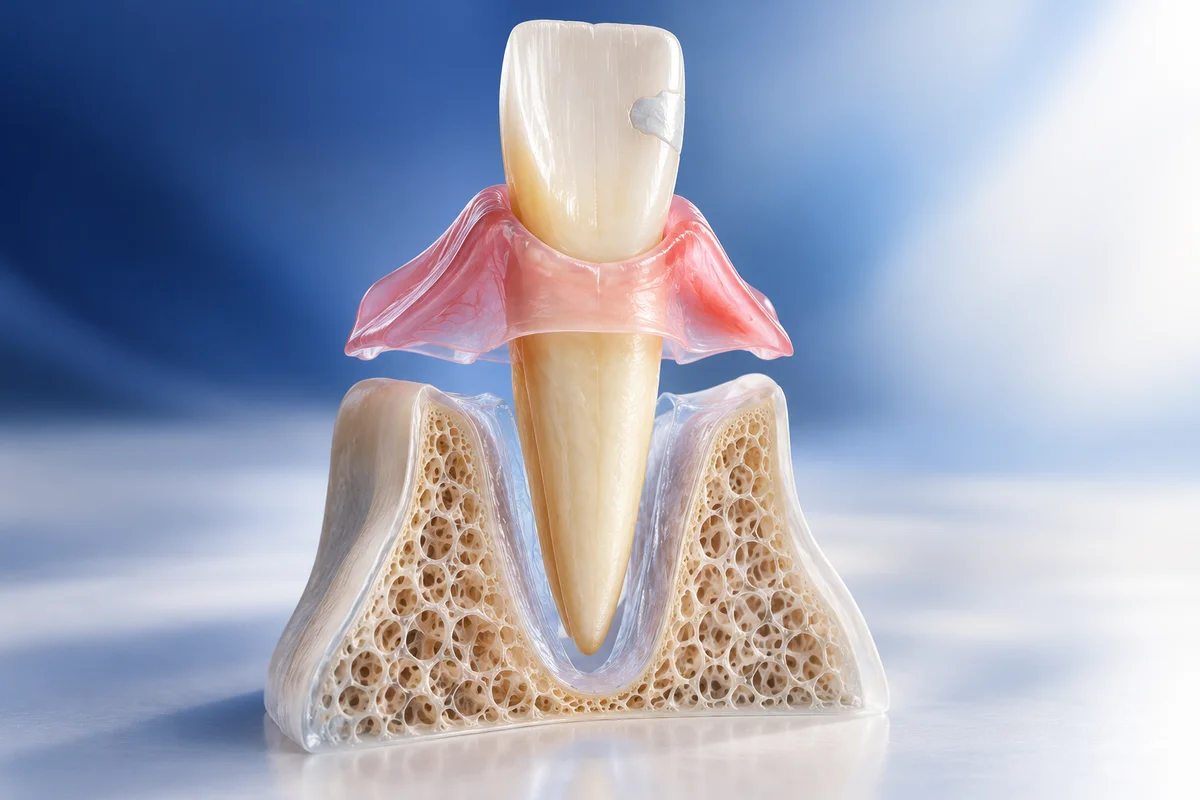
Remaining tooth structure, gum and bone support, cracks, previous treatment and the ability to seal a restoration can affect the outlook. Some limits only become clear during treatment. Separate established findings from suspected problems that need further assessment or referral.
What the outlook assumes
“Good with treatment” differs from “poor if untreated”. The judgement may assume root canal treatment, a final restoration or improved gum health. Compare opinions on the same basis. Discuss care you can maintain while recognising that appropriate treatment cannot guarantee a fixed lifespan.
Options and fallback plans
Keeping a tooth may require several appointments and reassessment. Find out what happens if treatment does not achieve its aim. If removal is proposed, discuss the reason and any later replacement separately. A second opinion may help with a difficult irreversible decision.
A useful written explanation
Keep the tooth identifier, main concern, proposed treatment and review point together. A short explanation of what could change the recommendation is more useful than the word “guarded” alone. Include who will review it, especially when more than one practice is involved.
When the prognosis changes
Later examinations or images may reveal information unavailable at first. Feeling better does not settle every question about healing or support. If an overseas treatment plan relies on keeping a particular tooth, clarify that dependency and how revised options will be discussed.
Read the related guidance
Keep the wider treatment plan in view while comparing these options.
Choose questions to ask.
Select your questions and copy the list, or open it as a WhatsApp draft. You can edit the message before sending.
Your consultation questions
Untick any questions you don’t need.
4 selected · No contact details needed.
Common questions
About this information
Published by Best Smile Turkey, a health-tourism intermediary. Your treating dentist is responsible for assessment, treatment and care.
Use this information to prepare questions for your dentist. An examination is needed to advise on treatment. Photographs, models and previews cannot establish suitability or predict results.
Source checking is not a clinical review. How we use sources and images, or how to report a correction.
Sources and further reading
- Leeds Teaching Hospitals: understanding endodontic treatment Restorability, uncertainty, isolation and the importance of the final restoration.
- Leeds Teaching Hospitals: crowns Remaining tooth structure, suitability, alternatives and continuing care.
- NHS: gum disease Assessment and management of the supporting tissues around teeth.
- NHS: dental treatments explained An overview of crowns, bridges, veneers, implants and other options.
- General Dental Council: going abroad for dental treatment Questions to ask about the treating provider, follow-up arrangements and concerns.
These resources offer general guidance; their publishers do not endorse Best Smile Turkey or the treating provider. Manufacturer links identify products or records, not independently compared outcomes. NHS funding information concerns UK care, not treatment costs in Turkey.
Ask about this information or report a correction