

On this page
A KEY QUESTION
Before leaving, know who will review and explain your result, how they will contact you and what to do if you do not hear from them.
Why take a sample?
Different changes in the mouth lining can look similar. Tissue examination can help distinguish them and guide further care. “Lesion” simply means the area being investigated.
Bring a brief history: when you noticed it, how it has changed and any symptoms. Photographs may help describe a change, but cannot replace a biopsy when one is recommended.
Before you consent
The clinician should explain whether they plan to remove part or all of the area, the anaesthetic and any stitches or dressing. Bleeding, soreness and effects on sensation depend on the site and procedure.
Bring your medicines list and mention previous problems with injections, bleeding or healing. Do not change medicines yourself.
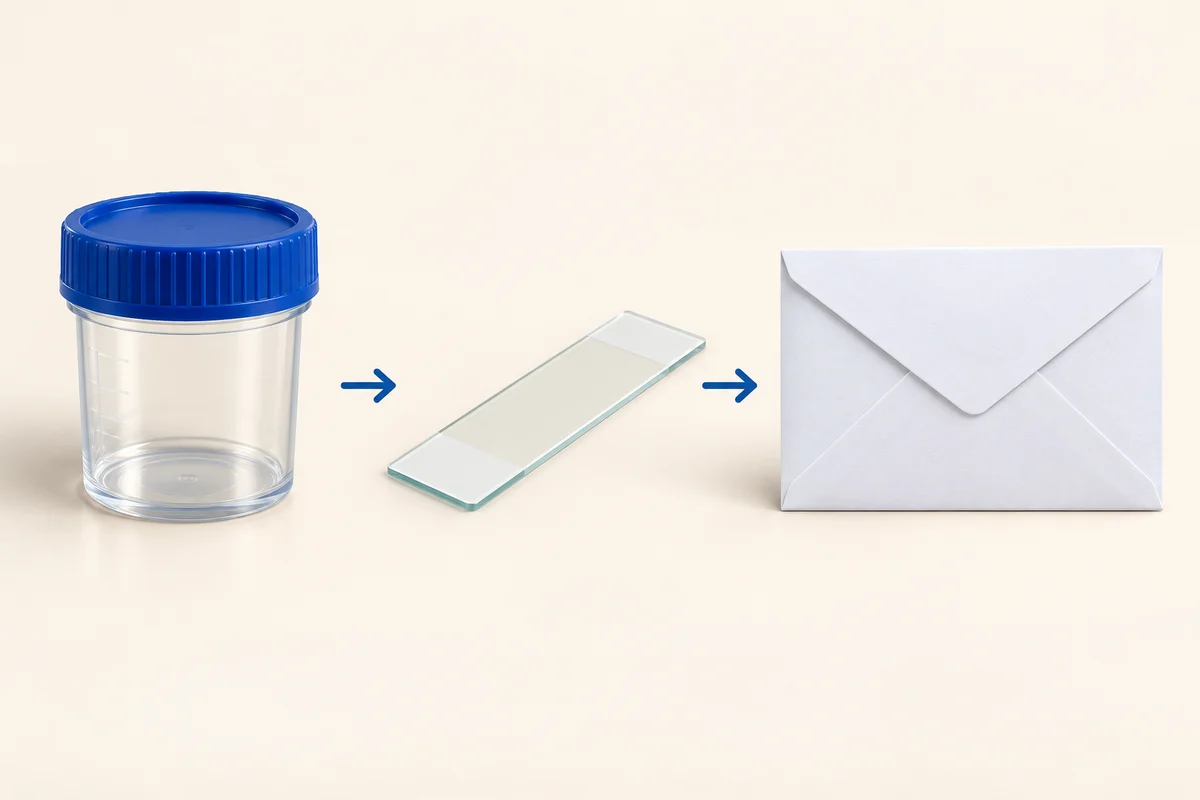
Where the sample goes
A pathologist examines the tissue to help establish the diagnosis. Sampling, laboratory analysis and discussing the result are separate stages. Healing at the biopsy site does not tell you what the laboratory found.
Find out which team receives the report and whether your referring dentist will get a copy.
Your aftercare instructions
Take home written instructions for your actual biopsy, covering eating, cleaning and any stitches. Instructions from another hospital may describe a different wound.
Before leaving, make sure you know how to protect the numb area and whom to contact. If a medicine is recommended, confirm suitability with the prescriber or pharmacist.
Bleeding, pain or swelling
UCLH advises clinical contact for persistent bleeding or increasing pain or swelling. Seek prompt local help rather than waiting for the results appointment or a travel enquiry response.
Give the biopsy date, location and how the problem is changing. Keep the team’s out-of-hours instructions available.
Getting the result
Agree how and when the result will be discussed, and whom to call if that contact is missed. No news is not a result. At the discussion, establish what the report means and whether treatment or further review is needed.
Keep a copy. If care crosses countries, identify who will act on the finding. Best Smile Turkey coordinates enquiries; pathology and follow-up remain with clinicians.
Read the related guidance
Keep the wider treatment plan in view while comparing these options.
Questions for a clinical assessment
Seek the local care described above first. When you speak with the clinician, these questions may help you understand the plan.
- Which options and alternatives should I discuss with the dentist?
- Will I receive my treatment records and written care instructions?
- Who should I contact after returning home, and how will reviews be arranged?
Common questions
For future treatment planning, after appropriate clinical care: Compare starting prices in GBP, including zirconia crowns from £160. Your dentist confirms suitability and the full written quote.
About this information
Published by Best Smile Turkey, a health-tourism intermediary. Your treating dentist is responsible for assessment, treatment and care.
Use this information to prepare questions for your dentist. An examination is needed to advise on treatment. Photographs, models and previews cannot establish suitability or predict results.
Source checking is not a clinical review. How we use sources and images, or how to report a correction.
Sources and further reading
- UCLH: Oral mucosal biopsy Diagnostic tissue sampling, pathology, written aftercare and an explicit results appointment.
- Guy’s and St Thomas’: oral biopsy Consent, sampling, possible effects and arranging an explanation of the result.
- Gloucestershire Hospitals: mouth or facial biopsy Why similar-looking lesions may need tissue examination and whether part or all of a lesion is sampled.
- NHS: dental treatments explained An overview of crowns, bridges, veneers, implants and other options.
- General Dental Council: going abroad for dental treatment Questions to ask about the treating provider, follow-up arrangements and concerns.
These resources offer general guidance; their publishers do not endorse Best Smile Turkey or the treating provider. Manufacturer links identify products or records, not independently compared outcomes. NHS funding information concerns UK care, not treatment costs in Turkey.
Ask about this information or report a correction