

On this page
A KEY QUESTION
Agree a prevention and review plan alongside any proposed bonding, crowns or protective appliance.
Erosion, attrition and abrasion
Erosion involves acids that do not come from plaque bacteria. Attrition is tooth-to-tooth wear; abrasion involves other objects. A worn edge does not prove grinding is the only cause. Ask what pattern the dentist sees and what supports the explanation.
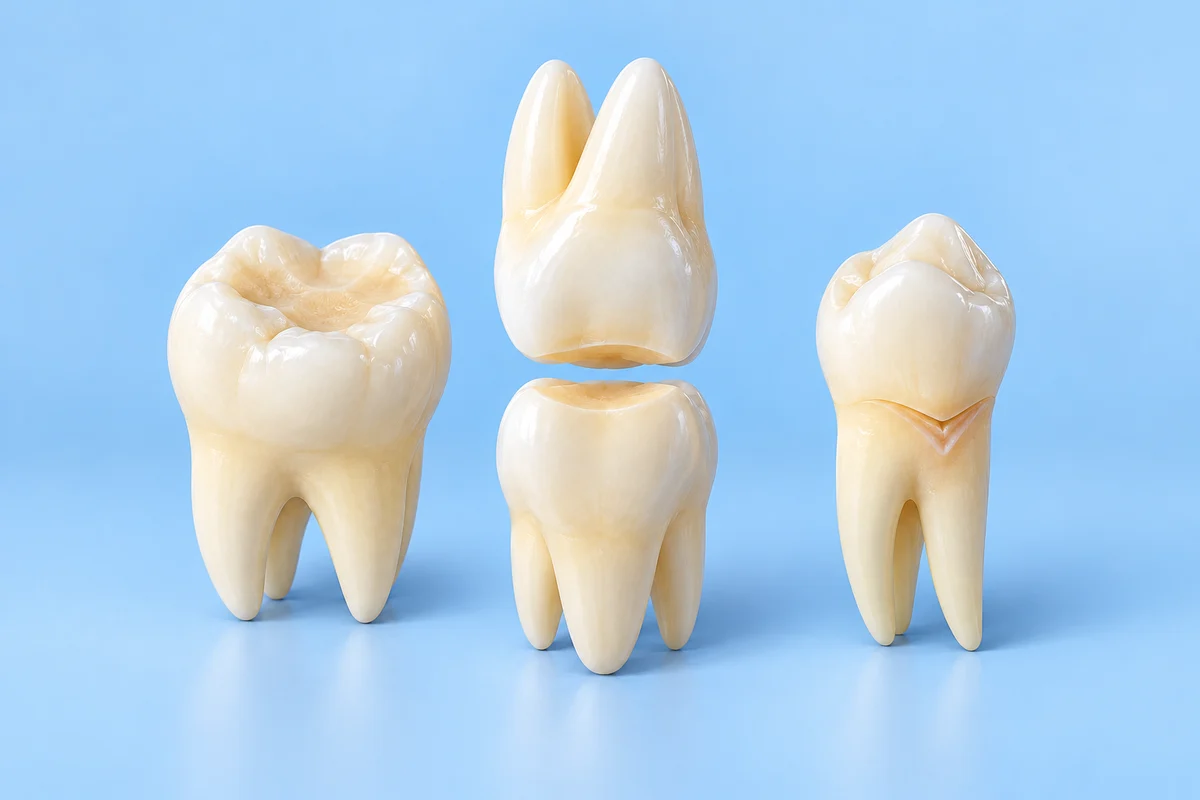
Acid exposure
Food, drinks, reflux and repeated vomiting can expose teeth to acid. Ongoing reflux or vomiting warrants GP advice. Describe your routine and symptoms so recommendations fit your needs. Avoid cutting out broad food groups yourself; guidance cautions against unnecessarily discouraging fruit generally.
Grinding and other habits
Report daytime clenching, grinding noticed during sleep, jaw symptoms or repeatedly chipped dental work. The dentist may suggest a fitted guard or splint and review contributing factors, including brushing technique. A shop-bought appliance or restoration may not address the causes.
Monitoring change
Mild wear without problems may be monitored using photographs, models and examination findings. Agree a review date and what would lead to treatment.
- Which causes are suspected?
- Do medical symptoms or habits contribute?
- What baseline records will be kept?
- What prevention is recommended?
- What change would justify rebuilding?
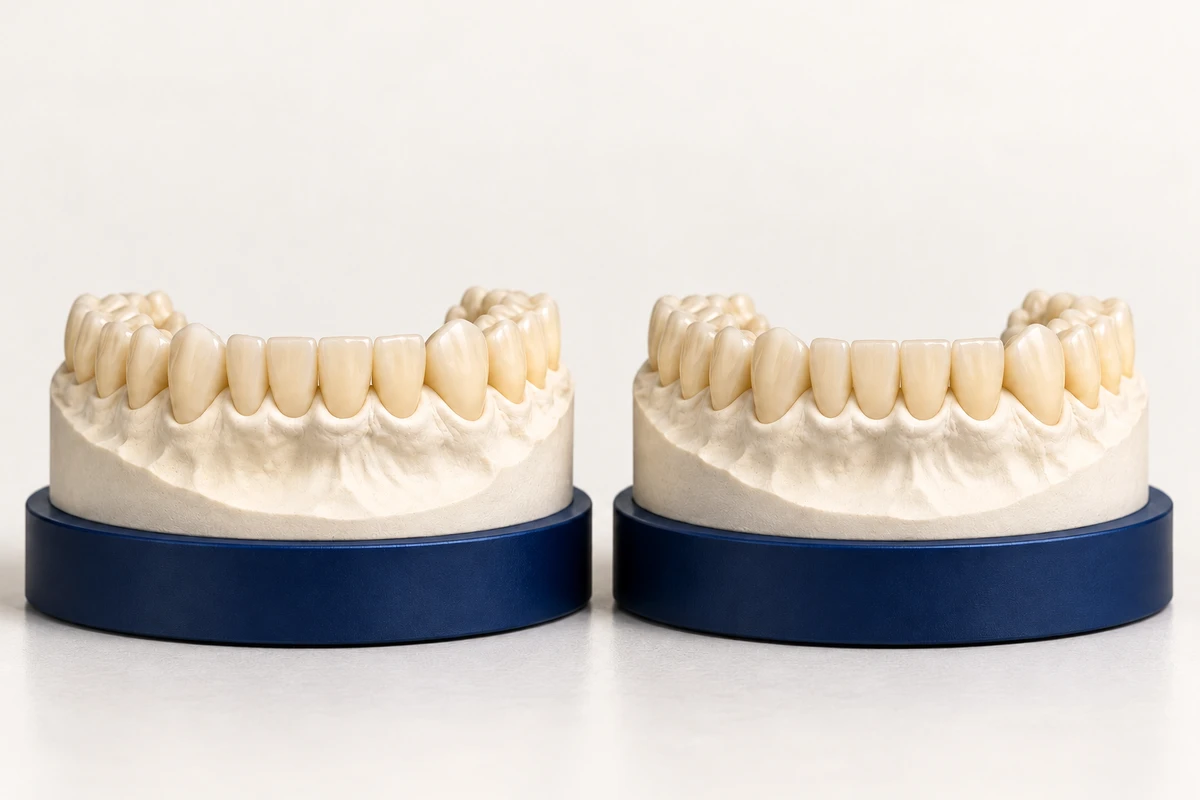
When rebuilding is appropriate
Options may include composite additions or more extensive restorations. Ask whether the aim is comfort, chewing, appearance or protecting remaining tissue. Compare tooth preparation, repairability and maintenance. Full crowns are not automatically needed. If the bite will change, discuss the sequence and checks.
Ongoing care after treatment
A rebuilding plan should cover prevention, any appliance and home follow-up. Agree who reviews the bite or assesses chipping and continued wear. Keep baseline records for that clinician. Confirm available assessment and treatment before travel; extensive wear may need a staged approach.
Read the related guidance
Keep the wider treatment plan in view while comparing these options.
Choose questions to ask.
Select your questions and copy the list, or open it as a WhatsApp draft. You can edit the message before sending.
Your consultation questions
Untick any questions you don’t need.
5 selected · No contact details needed.
Common questions
About this information
Published by Best Smile Turkey, a health-tourism intermediary. Your treating dentist is responsible for assessment, treatment and care.
Use this information to prepare questions for your dentist. An examination is needed to advise on treatment. Photographs, models and previews cannot establish suitability or predict results.
Source checking is not a clinical review. How we use sources and images, or how to report a correction.
Sources and further reading
- UK oral-health prevention guidance: tooth wear Wear mechanisms, individual risk assessment, monitoring and proportionate dietary advice.
- University Hospitals of Leicester: tooth wear Patient leaflet on causes, medical review, monitoring, composite restorations and crowns.
- NHS: teeth grinding Awake and sleep grinding, assessment and dentist-made protective appliances.
- NHS: dental treatments explained An overview of crowns, bridges, veneers, implants and other options.
- General Dental Council: going abroad for dental treatment Questions to ask about the treating provider, follow-up arrangements and concerns.
These resources offer general guidance; their publishers do not endorse Best Smile Turkey or the treating provider. Manufacturer links identify products or records, not independently compared outcomes. NHS funding information concerns UK care, not treatment costs in Turkey.
Ask about this information or report a correction