

On this page
A KEY QUESTION
Ask what retreatment aims to fix, how the dentist will reach the canals and what restoration follows.
Symptoms needing local care
Describe whether symptoms persisted or returned after a comfortable period. Bring previous treatment dates and records. Ask which tooth is responsible and what the examination shows.
A suspected abscess needs urgent dental care; NHS 111 can help if an urgent appointment is unavailable. In the UK, breathing or swallowing difficulty, eye swelling or vision changes, major mouth swelling or marked difficulty opening the mouth need 999 or A&E. Do not drive yourself to A&E; have someone take you or call 999 for an ambulance. Do not wait for travel.
Possible causes
Complex or untreated canals and contamination through a restoration can affect healing. Later decay, a loose or damaged restoration, or a fracture can also cause problems. Ask whether the concern lies within the canals, around the restoration or elsewhere in the tooth.
Access through existing work
Retreatment reopens the tooth. A crown, core or post may need removal or alteration to reach the old filling material. Discuss the temporary replacement and possible reconstruction costs.
- What finding is retreatment addressing?
- Which components need access or removal?
- What might remain uncertain after opening?
- What temporary and final restoration is needed?
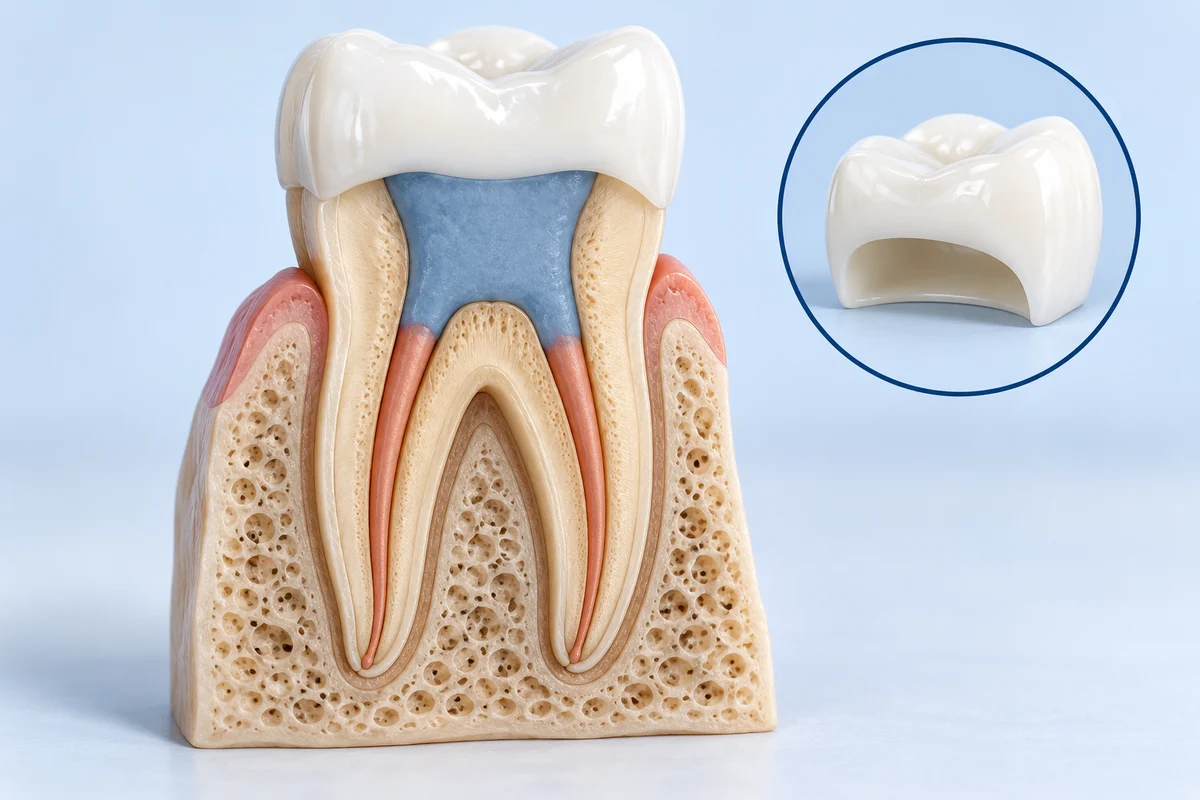
Retreatment or another option?
The dentist removes old canal filling, investigates and cleans the canals, then refills and seals them. Difficult or blocked canals can limit treatment. Ask whether specialist assessment, root-end surgery or extraction should be considered and why one approach is preferred. Retention cannot be guaranteed.
Restoration and follow-up
Agree who provides the permanent restoration and when. If the old restoration contributed to the problem, ask how that will be addressed. Discuss review findings, symptoms needing earlier contact and next steps if improvement does not occur. Keep old and new records together.
Before treatment abroad
Confirm whether an assessment or referral is needed and which details remain provisional. Check retreatment or specialist availability with the treating provider. Arrange a local urgent-care route and a handover for reviews at home before booking.
Read the related guidance
Keep the wider treatment plan in view while comparing these options.
Choose questions to ask.
Select your questions and copy the list, or open it as a WhatsApp draft. You can edit the message before sending.
Your consultation questions
Untick any questions you don’t need.
6 selected · No contact details needed.
Common questions
About this information
Published by Best Smile Turkey, a health-tourism intermediary. Your treating dentist is responsible for assessment, treatment and care.
Use this information to prepare questions for your dentist. An examination is needed to advise on treatment. Photographs, models and previews cannot establish suitability or predict results.
Source checking is not a clinical review. How we use sources and images, or how to report a correction.
Sources and further reading
- American Association of Endodontists: retreatment Persistent and new problems affecting previously treated teeth.
- American Association of Endodontists: retreatment explained Access through restorations, removal of old material, alternatives and final protection.
- NHS: dental abscess Urgent dental assessment and emergency warning signs.
- NHS: dental treatments explained An overview of crowns, bridges, veneers, implants and other options.
- General Dental Council: going abroad for dental treatment Questions to ask about the treating provider, follow-up arrangements and concerns.
These resources offer general guidance; their publishers do not endorse Best Smile Turkey or the treating provider. Manufacturer links identify products or records, not independently compared outcomes. NHS funding information concerns UK care, not treatment costs in Turkey.
Ask about this information or report a correction