

On this page
A KEY QUESTION
Confirm what each visit completes and who handles the final restoration and review.
Before treatment
The dentist assesses the tooth and appropriate X-rays, explains the work and checks consent. Share medicines, allergies, health conditions and previous difficulties. Discuss anxiety, long appointments and how to signal for a pause. Follow individual preparation advice without changing medicines yourself.
Numbing and isolation
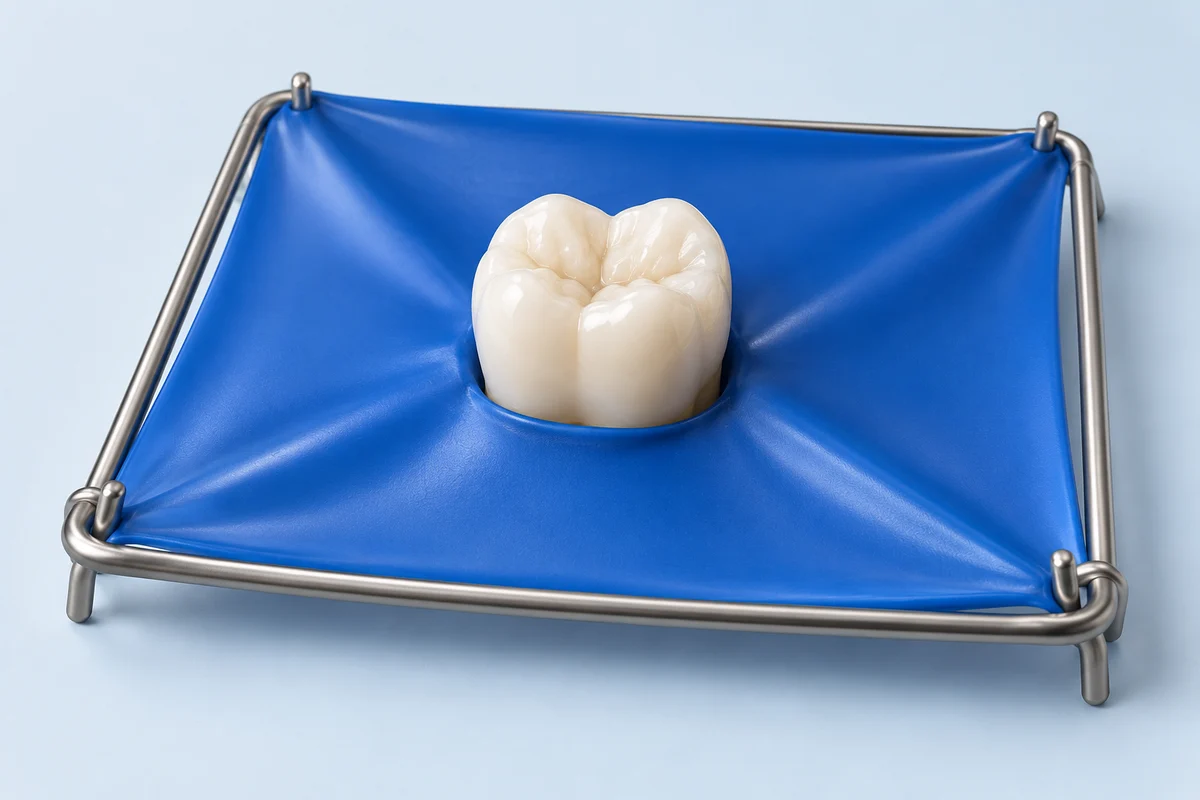
Local anaesthetic is normally used. A dental dam, a thin protective sheet, separates the tooth from saliva. Ask how it will feel and speak up if you remain uncomfortable. Being awake does not mean you should tolerate pain; sedation is a separate consideration.
Cleaning the canals
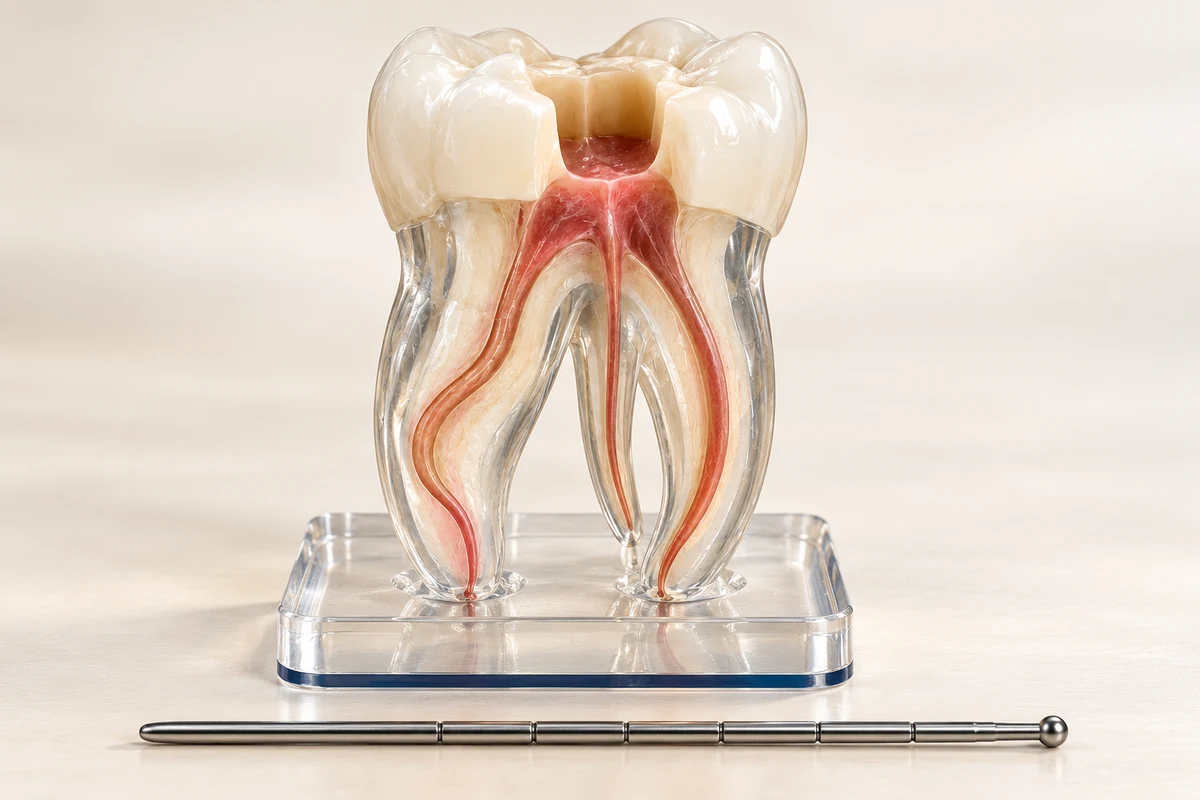
An opening through the tooth gives access to the canals. Fine instruments and cleansing solutions clean and shape them, with measurements and X-rays guiding treatment. Curved or blocked canals can complicate the work. Ask what would require another appointment or referral.
Temporary seals and root fillings
Between visits, a temporary dressing or filling may protect the tooth. Once ready, the canals are filled and sealed. Before leaving, find out what stage is complete, what to avoid chewing and whom to contact if the temporary filling loosens or falls out.
Restoring the tooth
The root filling does not rebuild the tooth above it. A filling, onlay or crown may be needed to seal and protect the remaining structure. Agree the design, clinician and timing, including any handover before treatment starts.
- Which tooth and stage are recorded?
- Who checks temporary protection?
- What final restoration is needed?
- Who books the restoration and healing review?
Healing reviews and travel
Some soreness can follow treatment, but worsening symptoms or concerns need dental advice. Healing may need monitoring and appropriate X-rays after the appointments finish. Obtain the treatment summary, tooth number, images and instructions. Confirm any specialist availability and local follow-up before travelling; urgent concerns should not wait for a trip.
Read the related guidance
Keep the wider treatment plan in view while comparing these options.
Choose questions to ask.
Select your questions and copy the list, or open it as a WhatsApp draft. You can edit the message before sending.
Your consultation questions
Untick any questions you don’t need.
5 selected · No contact details needed.
Common questions
About this information
Published by Best Smile Turkey, a health-tourism intermediary. Your treating dentist is responsible for assessment, treatment and care.
Use this information to prepare questions for your dentist. An examination is needed to advise on treatment. Photographs, models and previews cannot establish suitability or predict results.
Source checking is not a clinical review. How we use sources and images, or how to report a correction.
Sources and further reading
- Leeds Teaching Hospitals: endodontic treatment Isolation, canal preparation, interim protection, final restoration and healing reviews.
- American Association of Endodontists: root canal explained Patient explanation of anaesthetic, dental dam, access, canal filling and restoration.
- NHS: root canal treatment Treatment stages, variable appointments, temporary fillings and follow-up.
- NHS: dental treatments explained An overview of crowns, bridges, veneers, implants and other options.
- General Dental Council: going abroad for dental treatment Questions to ask about the treating provider, follow-up arrangements and concerns.
These resources offer general guidance; their publishers do not endorse Best Smile Turkey or the treating provider. Manufacturer links identify products or records, not independently compared outcomes. NHS funding information concerns UK care, not treatment costs in Turkey.
Ask about this information or report a correction