

On this page
A KEY QUESTION
Understand why surgery is proposed, its risks and who will provide follow-up before booking.
What is surgery intended to treat?
Ask the dentist to identify the tooth and explain the findings. A referral may simply request another opinion; it does not mean surgery has been agreed. The assessing clinician should explain whether it is suitable.
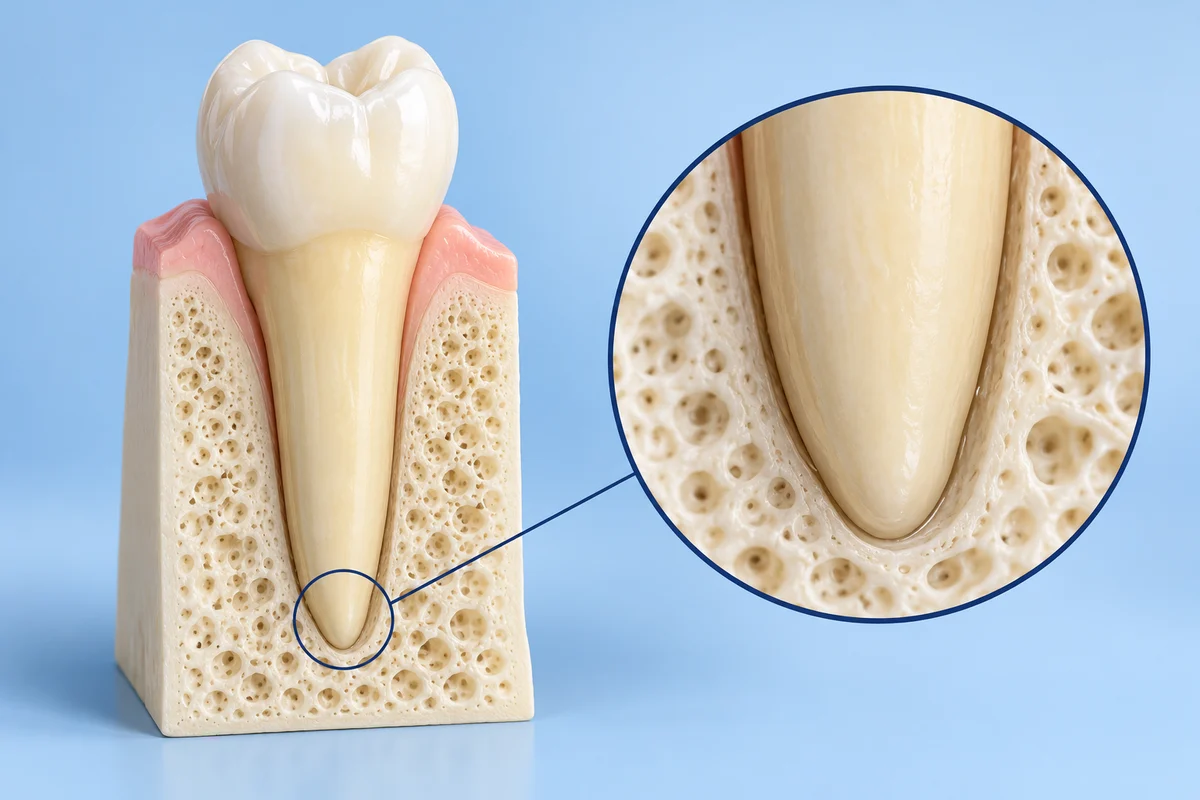
Why not repeat root canal treatment?
Repeat treatment revisits the canals through the tooth. Surgery approaches the root end. Ask what limits the non-surgical option in your case, especially if surgery is suggested before retreatment, and whether both approaches have been considered.
What happens during the procedure?
The area is usually numbed with local anaesthetic. The clinician opens the gum, removes affected tissue and a small part of the root tip, and may place a root-end filling. The gum is then stitched. Ask whether tissue will be examined and who explains the findings.
Risks and alternatives
Possible complications include discomfort, swelling, infection, gum shrinkage and failure. Gum changes may expose a crown margin. Surgery may not resolve the problem, and extraction may still be needed. General success figures cannot predict your outcome.
- What findings support surgery?
- Why is retreatment unsuitable or insufficient?
- Which risks matter for this tooth?
- What happens if surgery does not work?
Recovery and reviews
Get individual advice about food, cleaning, stitches, activity and signs needing contact. Discuss transport and recovery before the appointment. A general recovery description cannot clear you for work or travel. Agree wound and longer-term healing reviews, with local assessment if concerns develop after returning home.
Confirm the clinician and service
Ask whether the provider offers apical surgery and whether you need a specialist referral. Confirm who would assess and treat you, their relevant qualifications and the treatment location. Get the reason for referral, summary and relevant images. If several providers are involved, confirm appointments, costs and how records will be shared. Do not delay urgent local care during enquiries.
If you are considering care in Antalya, use the checks before dental treatment abroad to verify the treating clinician, referral needs and follow-up. This guide does not confirm that apical surgery is available through Best Smile Turkey.
Read the related guidance
Keep the wider treatment plan in view while comparing these options.
Choose questions to ask.
Select your questions and copy the list, or open it as a WhatsApp draft. You can edit the message before sending.
Your consultation questions
Untick any questions you don’t need.
6 selected · No contact details needed.
Common questions
About this information
Published by Best Smile Turkey, a health-tourism intermediary. Your treating dentist is responsible for assessment, treatment and care.
Use this information to prepare questions for your dentist. An examination is needed to advise on treatment. Photographs, models and previews cannot establish suitability or predict results.
Source checking is not a clinical review. How we use sources and images, or how to report a correction.
Source-check record
These checks cover only the stated claims, not the whole page or your individual care.
- CUH describes local anaesthesia, gum access, affected-tissue and root-tip removal, root-end sealing and stitches. This is an outline, not operative instructions, a treatment promise or confirmation that tissue will be examined. Checked .
- CUH describes discomfort, swelling, infection, gum recession with possible crown-margin exposure, and recurrent infection sometimes requiring extraction. This checks the named possibilities, not a complete risk list or individual prognosis. Checked .
Sources and further reading
- Leeds Teaching Hospitals: apical surgery Reasons for surgery, procedure outline, risks and treatment alternatives.
- American Association of Endodontists: endodontic surgery Root-end surgery and selected reasons for surgical investigation or treatment.
- American Association of Endodontists: surgery explained Questions about recovery, transport, treatment uncertainty and discussing alternatives.
- Cambridge University Hospitals: apicectomy, removal of root tip infection Patient information on root-end surgery, anaesthesia and named complications including gum recession and recurrent infection.
- NHS: dental treatments explained An overview of crowns, bridges, veneers, implants and other options.
- General Dental Council: going abroad for dental treatment Questions to ask about the treating provider, follow-up arrangements and concerns.
These resources offer general guidance; their publishers do not endorse Best Smile Turkey or the treating provider. Manufacturer links identify products or records, not independently compared outcomes. NHS funding information concerns UK care, not treatment costs in Turkey.
Ask about this information or report a correction