
On this page
A KEY QUESTION
Ask the specialist to connect the scan findings, alternatives, risks and follow-up arrangements in one written explanation.
What must the assessment establish?
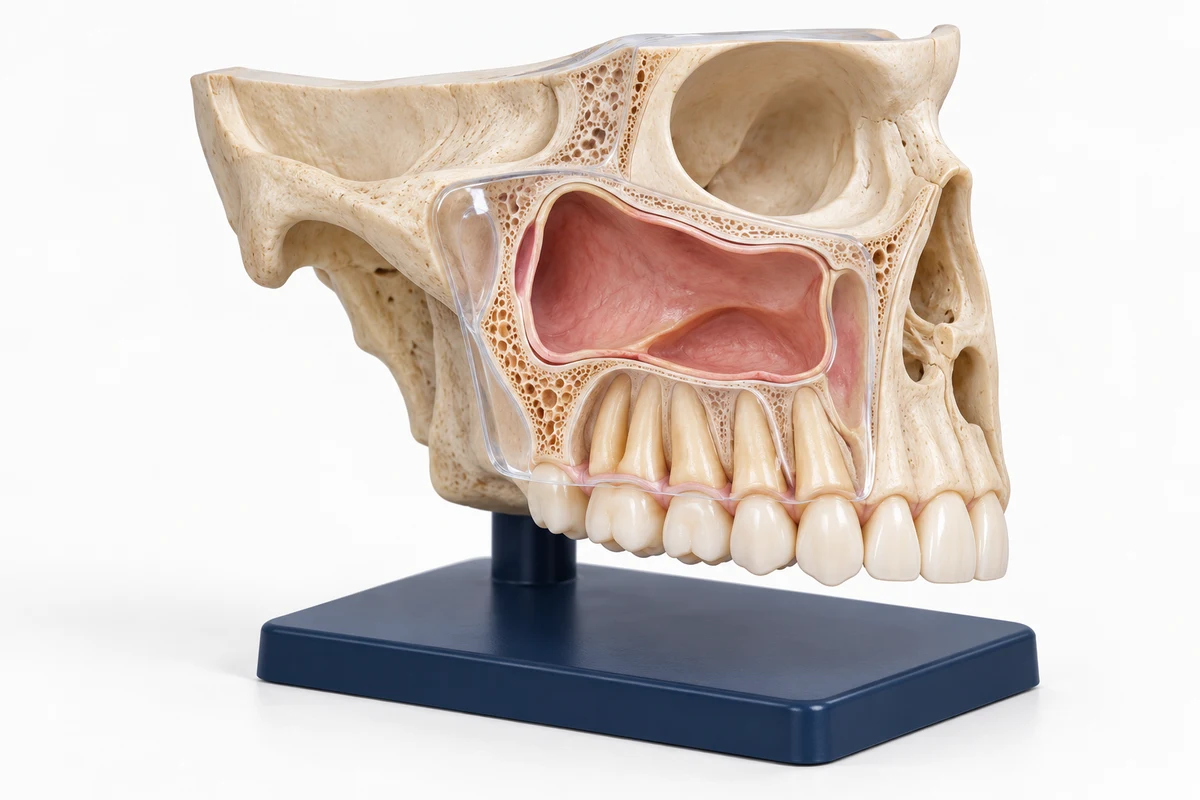
The ITI consensus recommends three-dimensional assessment of the upper jaw, cheekbone and sinus health. Ask the clinician to explain the relevant findings in ordinary language and show where the proposed implants would obtain support.
Bring previous implant or graft records if available. Write down what you were previously told and which part you want reconsidered; a different opinion should address that uncertainty.
What are the reasonable alternatives?
Ask why conventional implants, grafting approaches or a removable restoration would or would not meet your needs. The specialist should consider your anatomy and the intended replacement teeth together.
Make a short comparison of the options you are actually offered: what changes, what remains uncertain and what matters most to you. Leave unanswered questions visible rather than filling the gaps from advertising.
Which risks need a specific discussion?
Reported complications include sinus problems, altered sensation, communication between mouth and sinus, and problems with the supporting components or replacement teeth. Ask how the proposed approach affects your individual risks.
Before committing, check the clinician’s qualifications, relevant experience and registration. Obtain the route for complications and complaints, including who would assess a problem locally and who pays for further care or travel.
Who is responsible for each stage of care?
Record the named clinical contacts, expected reviews and arrangements if the plan changes. Discuss the proposal with your usual dentist before arranging an overseas procedure.
Before paying or booking travel, check whether the provider offers zygomatic implants, who would assess and treat you, and how any specialist referral would be arranged.
Read the related guidance
Keep the wider treatment plan in view while comparing these options.
Choose questions to ask.
Select your questions and copy the list, or open it as a WhatsApp draft. You can edit the message before sending.
Your consultation questions
Untick any questions you don’t need.
3 selected · No contact details needed.
Common questions
About this information
Published by Best Smile Turkey, a health-tourism intermediary. Your treating dentist is responsible for assessment, treatment and care.
Use this information to prepare questions for your dentist. An examination is needed to advise on treatment. Photographs, models and previews cannot establish suitability or predict results.
Source checking is not a clinical review. How we use sources and images, or how to report a correction.
Sources and further reading
- ITI: zygomatic implant consensus report (2023) Specialist expertise, anatomical assessment, treatment alternatives and reported complications.
- ITI: 2023 zygoma workshop proceedings Official publication record and access to the consensus and supporting reviews.
- GDC: going abroad for dental treatment Checking overseas clinicians, discussing plans with your dentist and clarifying aftercare responsibilities.
- NHS: dental treatments explained An overview of crowns, bridges, veneers, implants and other options.
These resources offer general guidance; their publishers do not endorse Best Smile Turkey or the treating provider. Manufacturer links identify products or records, not independently compared outcomes. NHS funding information concerns UK care, not treatment costs in Turkey.
Ask about this information or report a correction