

On this page
A KEY QUESTION
Get current pain assessed locally before planning treatment abroad.
When to get help
Contact a dentist for toothache with fever, pain on biting, a bad taste or cheek swelling. Seek urgent advice if pain disrupts sleep or daily life despite pain relief, or keeps returning even when pain relief helps. In England, NHS 111 can help you access urgent dental care.
Go to A&E immediately for swelling around the eye or neck, or mouth or neck swelling that affects breathing, swallowing or speaking. Do not drive yourself to A&E; ask someone to take you, or call 999 for an ambulance. Outside the UK, use local emergency services. WhatsApp is not an emergency service.
Describe the pain
Say when it started, where it hurts and whether it comes and goes. Mention lingering sensitivity, pain on biting, swelling and interrupted sleep. If you have already had advice, explain what has changed.
What could be causing it?
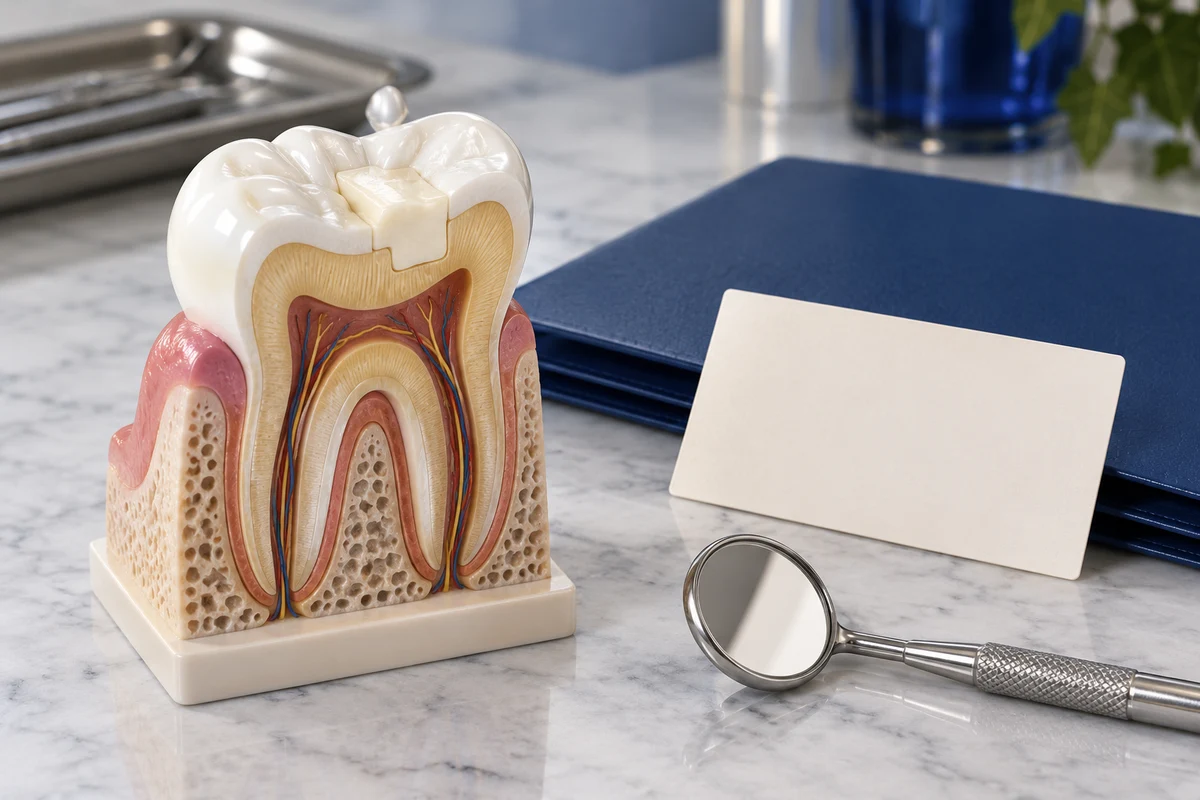
Decay, damaged teeth, fillings and gum problems can cause toothache. Pain does not automatically mean a tooth needs removing. The dentist may need tests or imaging to identify the cause and explain suitable treatments.
While waiting for care
Choose softer food and avoid chewing with the sore tooth. Ask a pharmacist about suitable pain relief, especially if you take other medicines or are pregnant. Never put aspirin directly on the tooth or gum.
What to bring
Bring medicine and allergy details, recent dental records and any instructions you have received. Mention crowns, fillings or previous root canal treatment. Do not delay urgent care to collect records.
- When did the pain start?
- Is there fever, swelling or difficulty opening your mouth?
- What treatment or advice have you already had?
After the appointment
Check whether treatment is temporary, when to return and how to get help outside opening hours. Keep the review even if pain eases. Use the dentist’s findings for any later treatment plans.
Read the related guidance
Keep the wider treatment plan in view while comparing these options.
Questions for a clinical assessment
Seek the local care described above first. When you speak with the clinician, these questions may help you understand the plan.
- Will I receive my treatment records and written care instructions?
- Who should I contact after returning home, and how will reviews be arranged?
Common questions
For future treatment planning, after appropriate clinical care: Compare starting prices in GBP, including zirconia crowns from £160. Your dentist confirms suitability and the full written quote.
About this information
Published by Best Smile Turkey, a health-tourism intermediary. Your treating dentist is responsible for assessment, treatment and care.
Use this information to prepare questions for your dentist. An examination is needed to advise on treatment. Photographs, models and previews cannot establish suitability or predict results.
Source checking is not a clinical review. How we use sources and images, or how to report a correction.
Source-check record
These checks cover only the stated claims, not the whole page or your individual care.
Sources and further reading
- NHS: toothache When toothache needs dental review and signs requiring emergency assessment.
- NHS: emergency and urgent dental care Current urgent dental access routes, injury priorities and emergency warning signs.
- American Dental Association: dental emergencies Protecting an injured tooth and seeking timely professional care.
- NHS: dental treatments explained An overview of crowns, bridges, veneers, implants and other options.
- General Dental Council: going abroad for dental treatment Questions to ask about the treating provider, follow-up arrangements and concerns.
These resources offer general guidance; their publishers do not endorse Best Smile Turkey or the treating provider. Manufacturer links identify products or records, not independently compared outcomes. NHS funding information concerns UK care, not treatment costs in Turkey.
Ask about this information or report a correction