

On this page
A KEY QUESTION
Severe, persistent or worsening pain needs a dentist. Breathing or swallowing difficulty, or serious swelling, needs immediate local emergency care.
What could cause it?
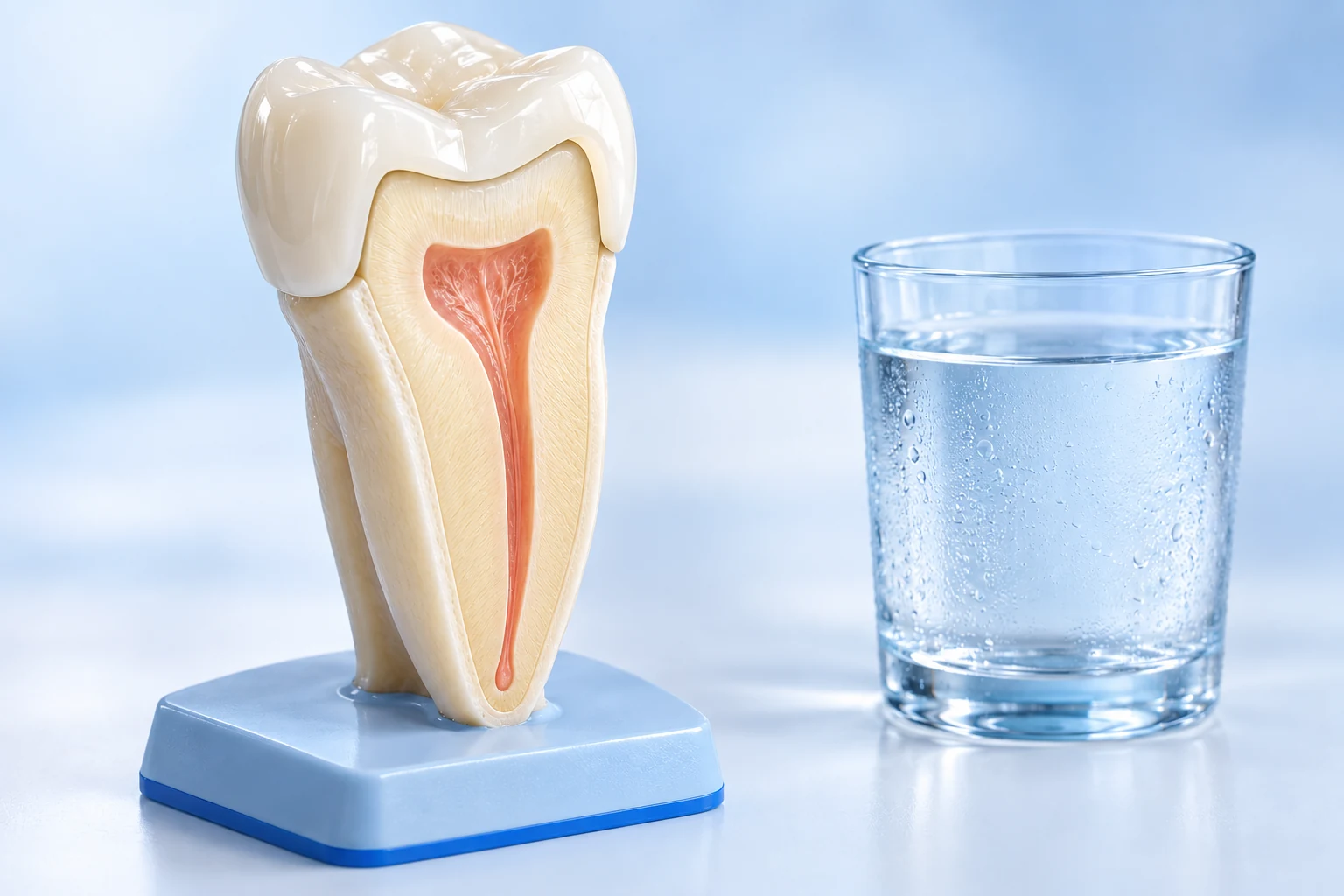
Temperature sensitivity can follow fitting. Other causes include decay, fractures, worn fillings and exposed roots. Recent treatment alone does not explain the pain. Mention earlier symptoms, whitening, root canal treatment or previous trouble with the tooth; sensation alone cannot confirm success or failure.
Describe the symptoms
Say whether cold, heat, sweetness, brushing or biting triggers pain; whether it stops, lingers or starts on its own; and how it affects eating or sleep. Note when it began and whether it is improving. Do not repeatedly provoke pain. Say if you cannot identify one tooth.

Check the bite
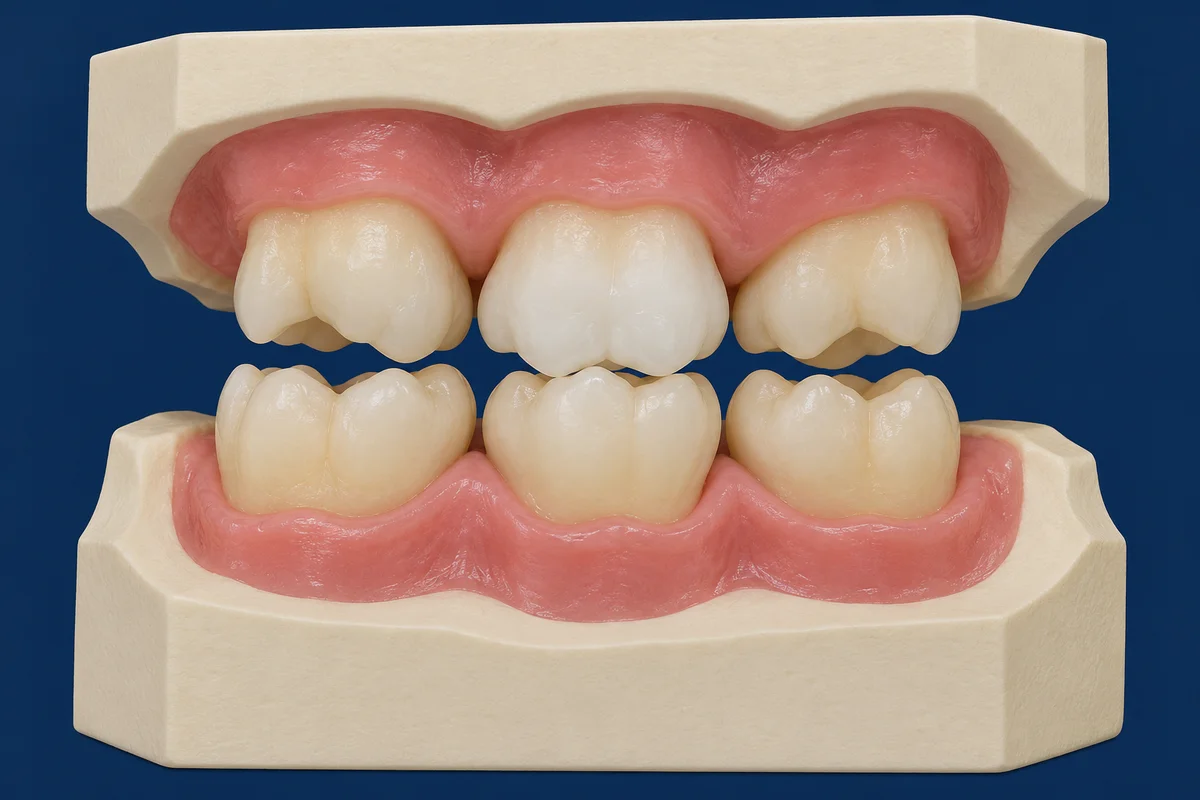
Report chewing discomfort, looseness or a tooth touching before the others. Never grind, file or adjust a restoration yourself. The dentist may assess the fit, gums and underlying tooth using tests or imaging. A photo cannot replace these checks.
While arranging advice
Avoid obvious food or drink triggers. Follow your eating and cleaning instructions; use a soft brush and fluoride toothpaste. Ask how to clean uncomfortable areas rather than stopping.
Desensitising toothpaste may help some causes, but cannot replace assessment of persistent pain. Check medicines with your dentist or pharmacist; do not change prescriptions or use leftover antibiotics.
When to get help
Contact a dentist promptly for persistent, worsening or returning pain, pain on biting or disturbed sleep. Severe pain, swelling, fever or a bad taste with other symptoms needs urgent advice. Do not wait for a routine review or “settling” deadline.
Difficulty breathing, swallowing or speaking, substantial mouth or neck swelling, or swelling around an eye needs immediate local emergency care. In the UK, use 999 or A&E. NHS 111 helps with urgent dental access in England; elsewhere use local services.
Follow-up after travel
Tell the treating team where you are and ask about local assessment. Keep advice and treatment records. Best Smile Turkey coordinates enquiries; the treating dental team provides care. Clinical advice should come from a dentist. Never delay urgent care for a coordinator, photo review or flight.
- Treatment date and temporary or final restoration
- Affected area, triggers and duration
- Bite changes, swelling, fever or lost sleep
- Advice followed and changes since
- Next assessment and what to do if symptoms worsen
Read the related guidance
Keep the wider treatment plan in view while comparing these options.
Questions for a clinical assessment
Seek the local care described above first. When you speak with the clinician, these questions may help you understand the plan.
- Who should I contact after returning home, and how will reviews be arranged?
- Will I receive my treatment records and written care instructions?
- How many visits are expected, and what could change the timetable?
- Who pays if further treatment or another trip is needed?
Common questions
For future treatment planning, after appropriate clinical care: Zirconia crowns from £160 per crown. Your dentist confirms suitability and the full written quote.
About this information
Published by Best Smile Turkey, a health-tourism intermediary. Your treating dentist is responsible for assessment, treatment and care.
Use this information to prepare questions for your dentist. An examination is needed to advise on treatment. Photographs, models and previews cannot establish suitability or predict results.
Source checking is not a clinical review. How we use sources and images, or how to report a correction.
Sources and further reading
- NHS: toothache Symptoms needing dental advice, emergency swelling and routes to urgent care.
- American Dental Association: sensitive teeth Possible causes of sensitivity and why management depends on the underlying problem.
- Cleveland Clinic: dental crowns Sensitivity after fitting, fit checks and pain or restoration changes to report.
- Cleveland Clinic: dental veneers Bite checks, potential sensitivity and ongoing care after veneer placement.
- General Dental Council: learning from crown complaints Professional learning on assessing symptoms, crown fit, the bite and follow-up.
- NHS: dental treatments explained An overview of crowns, bridges, veneers, implants and other options.
- General Dental Council: going abroad for dental treatment Questions to ask about the treating provider, follow-up arrangements and concerns.
These resources offer general guidance; their publishers do not endorse Best Smile Turkey or the treating provider. Manufacturer links identify products or records, not independently compared outcomes. NHS funding information concerns UK care, not treatment costs in Turkey.
Ask about this information or report a correction