
On this page
A KEY QUESTION
Report pain, looseness or fitting concerns before the next stage.
Know what was fitted
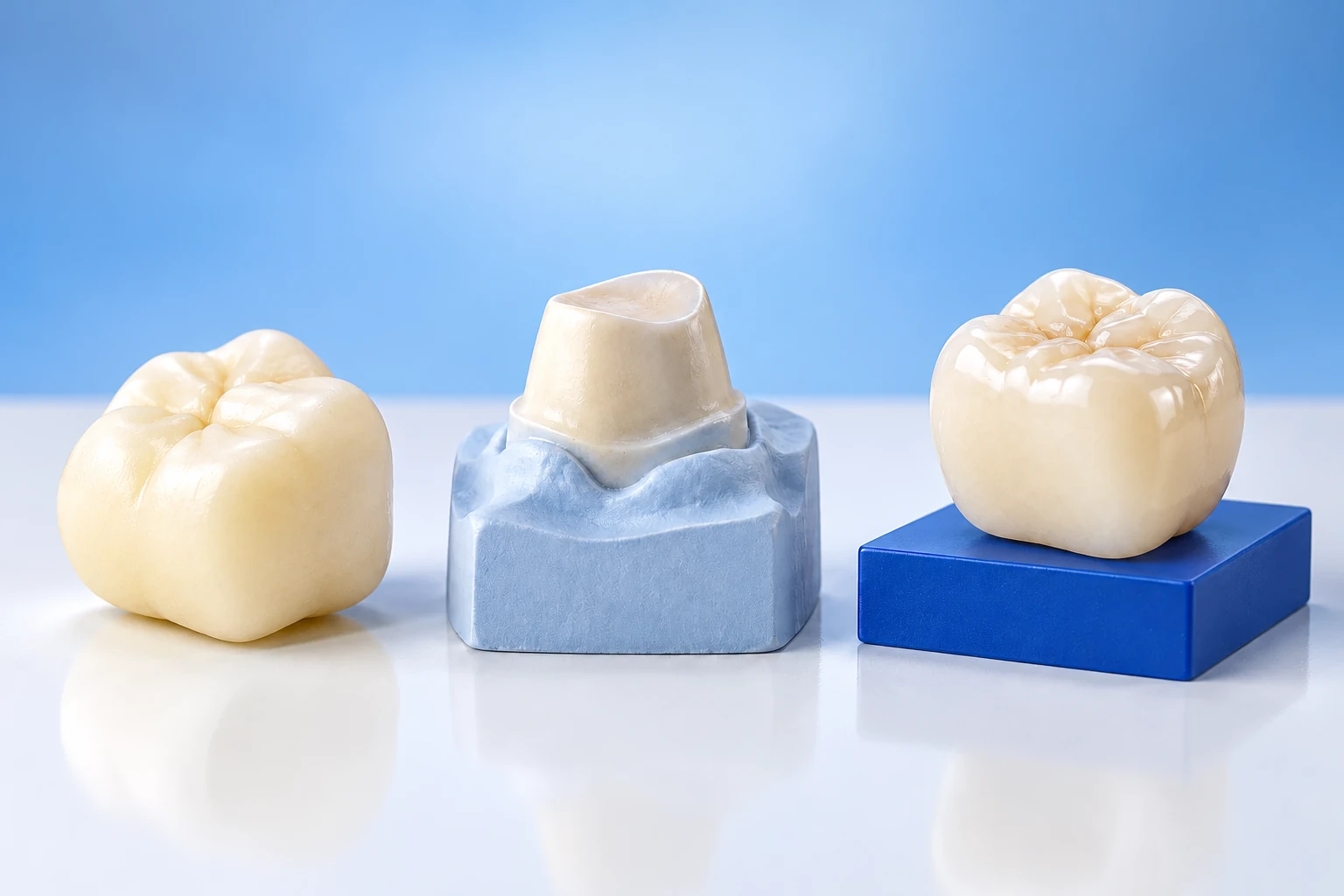
A temporary crown protects a prepared tooth while the final crown is made. Temporary veneers may be used during laboratory work. Ask about the material and purpose. Appearance and feel may differ from the final teeth; clarify what this stage shows about shape, speech and comfort.
Eating safely
Follow advice on eating after anaesthetic and fitting. Avoid very hard or sticky foods, such as ice and sticky sweets, and never use teeth to open packaging. Ask about cutting food smaller for front teeth or chewing when both sides have temporaries. Stop and contact the dentist if anything moves.
Keep cleaning gently
Brush with the recommended brush and fluoride toothpaste. Ask for a demonstration of cleaning between temporary teeth, including withdrawing floss without disturbing them. Joined temporaries may need different access. Do not force floss or brushes; report catching tools or trapped food.
Sensitivity and warning signs
Some temperature sensitivity or tenderness can follow fitting. Report the trigger, duration and whether it is improving. An uneven bite needs a check; never file it yourself.
Persistent or increasing pain, disturbed sleep, swelling, bad taste or sharp edges need advice. Severe pain or suspected infection needs urgent assessment. Breathing or swallowing difficulty, substantial swelling or swelling affecting an eye needs immediate local emergency care.
If a temporary loosens
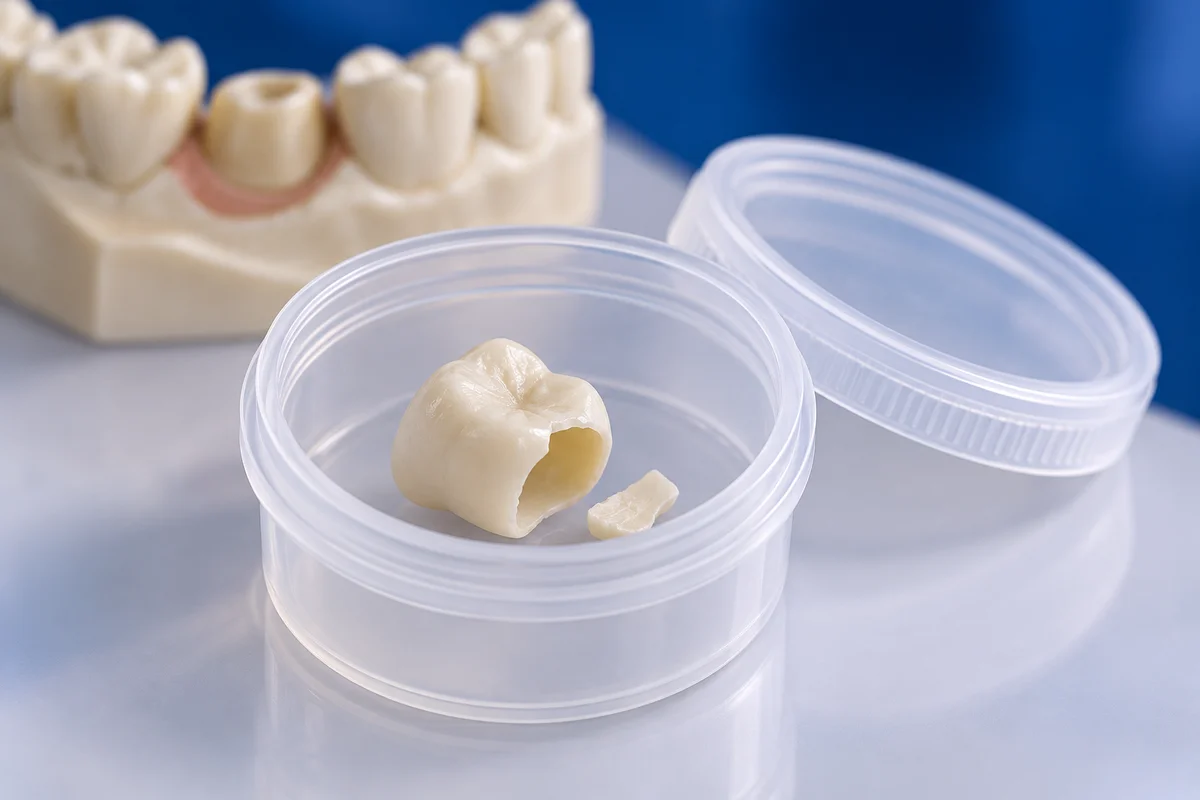
Report a loose, cracked or detached temporary promptly, even without pain. Keep detached pieces for the appointment. Do not use household glue, pull off partly attached teeth or reshape them. Ask what to do while waiting; do not assume a home repair product is suitable. Seek local care if it cannot safely wait.
Before final fitting
Raise concerns about length, shape, colour, speech and bite before permanent bonding or cementation. Best Smile Turkey coordinates enquiries; the treating dental team provides treatment. Confirm repair and extra-visit costs directly.
- When is my next appointment, and what if it is delayed?
- Who can help between visits?
- How will fit, bite, shade and shape be checked?
- What care and follow-up change after final fitting?
Read the related guidance
Keep the wider treatment plan in view while comparing these options.
Choose questions to ask.
Select your questions and copy the list, or open it as a WhatsApp draft. You can edit the message before sending.
Your consultation questions
Untick any questions you don’t need.
5 selected · No contact details needed.
Common questions
About this information
Published by Best Smile Turkey, a health-tourism intermediary. Your treating dentist is responsible for assessment, treatment and care.
Use this information to prepare questions for your dentist. An examination is needed to advise on treatment. Photographs, models and previews cannot establish suitability or predict results.
Source checking is not a clinical review. How we use sources and images, or how to report a correction.
Source-check record
These checks cover only the stated claims, not the whole page or your individual care.
- Leeds explains temporary crown protection during laboratory work; Bupa describes possible temporary veneers. This does not guarantee appearance, comfort, appointment timing or what a trial stage can demonstrate. Checked .
- Cleveland Clinic lists hard and sticky foods as risks to temporary and permanent crowns. This checks those food cautions only, not anaesthetic recovery, a veneer-specific diet or an individual chewing plan. Checked .
Sources and further reading
- Leeds Teaching Hospitals NHS: crowns Temporary protection during crown treatment and ongoing hygiene.
- Bupa Dental Care: veneers Veneer preparation, possible temporary veneers and the fitting stage.
- Cleveland Clinic: dental crowns Food precautions, sensitivity and reasons to contact a dentist.
- Cleveland Clinic: dental veneers Veneer care and discussing fit, colour and shape before attachment.
- Cleveland Clinic: dental emergencies Prompt assessment of broken restorations and avoiding household glue.
- American Dental Association: reasons to see a dentist Uneven bite, chewing difficulties and symptoms requiring assessment.
- NHS: dental abscess Urgent dental symptoms and emergency swelling or swallowing difficulties.
- NHS: dental treatments explained An overview of crowns, bridges, veneers, implants and other options.
- General Dental Council: going abroad for dental treatment Questions to ask about the treating provider, follow-up arrangements and concerns.
These resources offer general guidance; their publishers do not endorse Best Smile Turkey or the treating provider. Manufacturer links identify products or records, not independently compared outcomes. NHS funding information concerns UK care, not treatment costs in Turkey.
Ask about this information or report a correction