

On this page
A KEY QUESTION
Have mouthguard fit reviewed after dental changes, and ask separately when your treatment allows a return to your sport.
Describe the sport and dental work
Tell the dentist about contact during training and competition, and any restorations or appliances. The ADA explains that mouthguards reduce impact-related dental and soft-tissue injury risk. They cannot prevent every injury and remain one part of your sport’s protective equipment.
Choose a suitable guard
Custom-made, mouldable and stock guards fit differently. Discuss comfort, retention, breathing and speech around your actual teeth. The ADA highlights fit around braces and fixed bridges. A grinding appliance, retainer or whitening tray should not be assumed to provide sports impact protection.
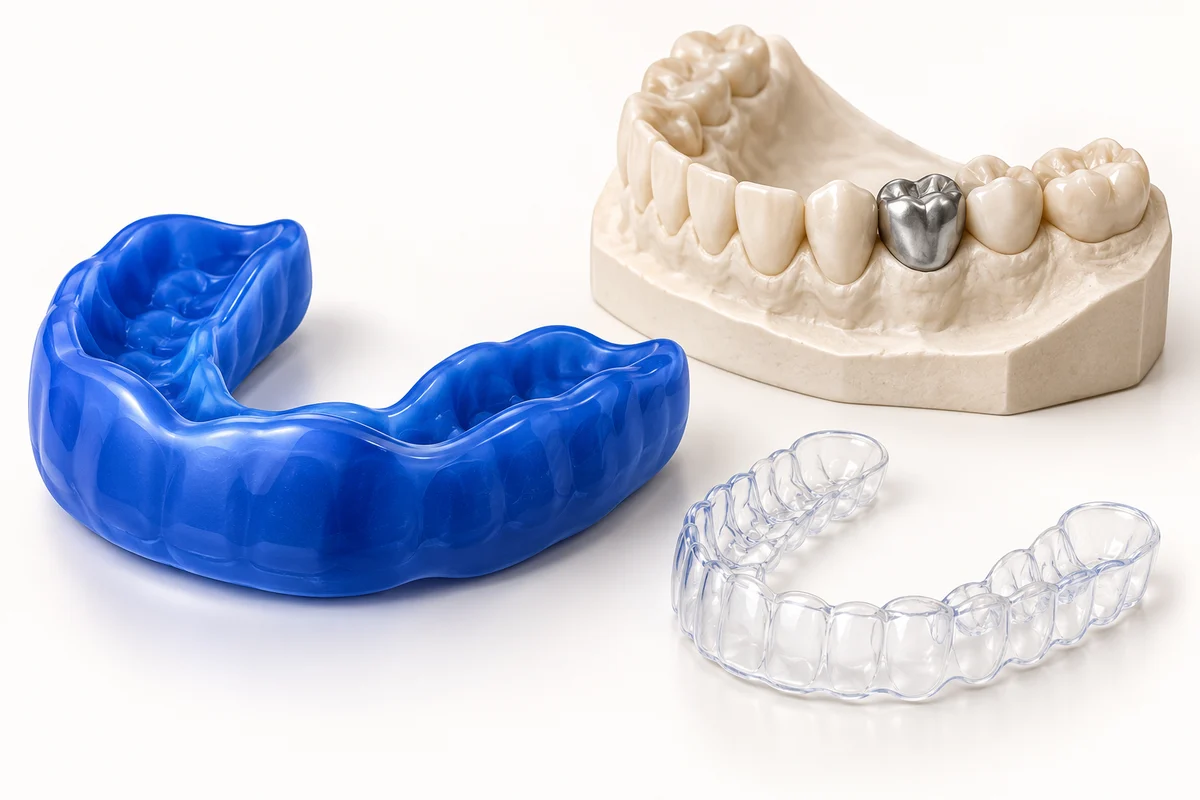
Recheck after dental changes
Bring the old guard when tooth shapes change. Discuss its use with temporary and final restorations; adjustment or replacement may be needed. Do not force a tight guard, cut it around new work or reshape it yourself. Report where it catches or no longer seats.
Get orthodontic advice
Moving teeth can change guard fit. The British Orthodontic Society discusses guards that accommodate braces and tooth movement. Your orthodontic team should advise on the current stage, including what to do with removable appliances during sport. Do not adjust fixed braces yourself.
Clean it and watch for wear
Follow the supplied instructions. BOS advises cleaning, rinsing, ventilated protective storage and avoiding heat that can distort the guard. Look for tears, thinning, roughness or changed fit, and take it to dental reviews. Its condition matters more than a fixed replacement anniversary.
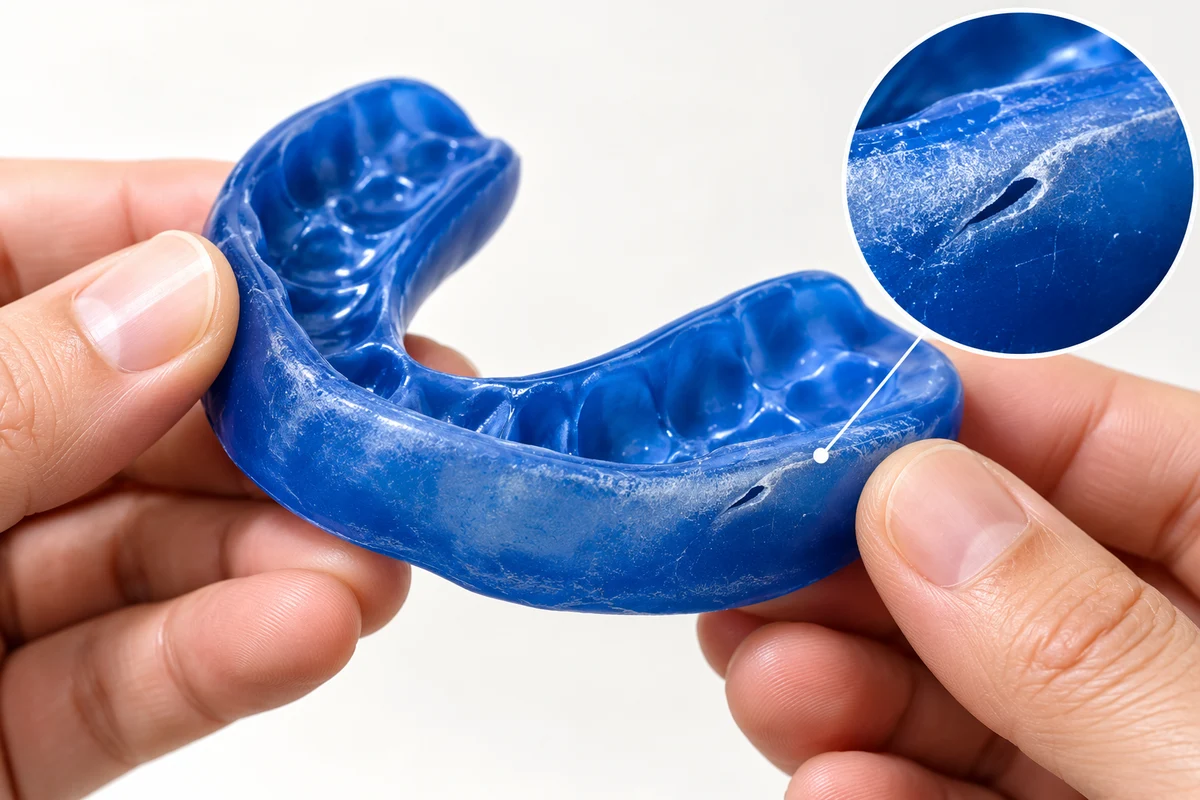
Discuss when to resume sport
After treatment, describe the contact and exertion involved to your clinician; a guard does not clear you to play. After an impact, seek assessment for pain, movement or broken work. Serious facial injury, uncontrolled bleeding or breathing difficulty needs emergency medical help.
Read the related guidance
Keep the wider treatment plan in view while comparing these options.
Choose questions to ask.
Select your questions and copy the list, or open it as a WhatsApp draft. You can edit the message before sending.
Your consultation questions
Untick any questions you don’t need.
3 selected · No contact details needed.
Common questions
About this information
Published by Best Smile Turkey, a health-tourism intermediary. Your treating dentist is responsible for assessment, treatment and care.
Use this information to prepare questions for your dentist. An examination is needed to advise on treatment. Photographs, models and previews cannot establish suitability or predict results.
Source checking is not a clinical review. How we use sources and images, or how to report a correction.
Sources and further reading
- American Dental Association, MouthHealthy: mouthguards Sports protection, guard types and fit around fixed dental and orthodontic work.
- British Orthodontic Society: contact sports and mouthguards Mouthguard considerations during orthodontic treatment, cleaning and replacement.
- NHS: emergency and urgent dental appointments Symptoms needing urgent dental assessment or emergency medical help; NHS routes apply in England.
- NHS: dental treatments explained An overview of crowns, bridges, veneers, implants and other options.
- General Dental Council: going abroad for dental treatment Questions to ask about the treating provider, follow-up arrangements and concerns.
These resources offer general guidance; their publishers do not endorse Best Smile Turkey or the treating provider. Manufacturer links identify products or records, not independently compared outcomes. NHS funding information concerns UK care, not treatment costs in Turkey.
Ask about this information or report a correction