
On this page
A KEY QUESTION
Know what remains unfinished and whom to contact if the filling, bite or symptoms change.
Which stage has been completed?
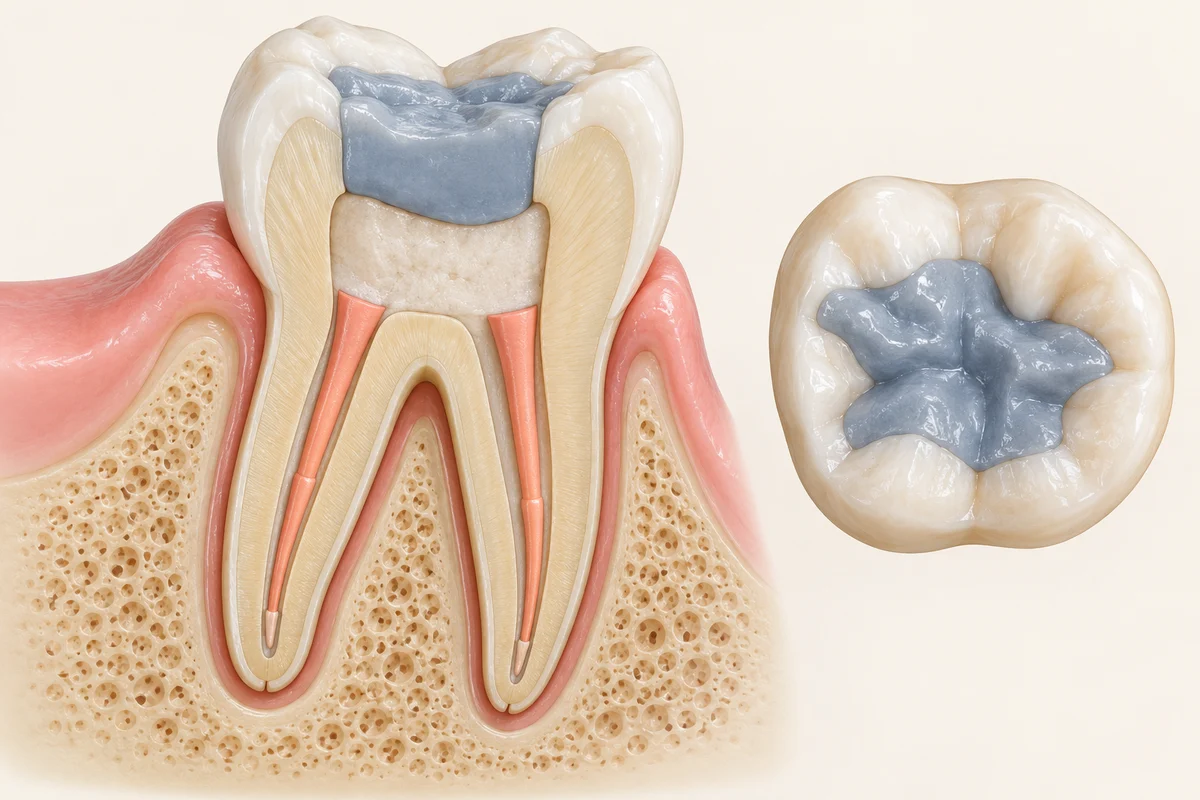
Root canal treatment may take several appointments. A temporary dressing can close the tooth between visits; even after the canals are filled, the tooth may need a final filling, onlay or crown.
Have the dentist record the tooth number and next step. Further root canal work, fitting a restoration and reviewing healing are different appointments.
A lost filling or uneven bite
Contact the practice if the temporary filling comes out, the tooth breaks or the bite feels unusually high. Describe when it happened and any pain, swelling or sharp edge. Do not repeatedly bite hard to test it or attempt to replace a root canal dressing yourself.
Eating and cleaning
Keep the tooth clean using your dentist’s technique. Avoid hard foods and heavy biting on it until the final restoration is in place or the clinician advises otherwise. If other teeth are also being treated, clarify where you can chew.
While numb, follow advice to avoid biting your lip or tongue. A temporary crown may need additional cleaning instructions.
Symptoms that need attention
Some tenderness can follow treatment. New swelling, severe or worsening pain, or returning symptoms needs dental assessment. Use medicines as advised; do not add leftover antibiotics.
Difficulty breathing, speaking or swallowing, major mouth swelling or swelling affecting an eye needs immediate local emergency care. In the UK use 999 or A&E. Do not wait for an overseas clinic to reply.
Finishing the restoration
The final restoration helps seal and protect the tooth. Its design depends on the tooth’s condition; a crown is not automatic. Check whether it is included in the quote.
If another dentist will finish the work, arrange the appointment and transfer the treatment information. A referral alone does not mean an appointment is booked.
Review and handover
Keep the recommended review even if the tooth feels comfortable, unless your clinician changes it. Comfort cannot establish the condition around the root.
For care involving travel, obtain the summary, relevant images and clinical contacts. Best Smile Turkey coordinates enquiries; the treating provider sets follow-up. Agree availability and possible charges with any dentist you expect to see at home.
Read the related guidance
Keep the wider treatment plan in view while comparing these options.
Questions for a clinical assessment
Seek the local care described above first. When you speak with the clinician, these questions may help you understand the plan.
- Who should I contact after returning home, and how will reviews be arranged?
- Will I receive my treatment records and written care instructions?
- How many visits are expected, and what could change the timetable?
- Why is a crown or bridge recommended, and which teeth would be prepared?
- Who pays if further treatment or another trip is needed?
Common questions
For future treatment planning, after appropriate clinical care: Compare starting prices in GBP, including zirconia crowns from £160. Your dentist confirms suitability and the full written quote.
About this information
Published by Best Smile Turkey, a health-tourism intermediary. Your treating dentist is responsible for assessment, treatment and care.
Use this information to prepare questions for your dentist. An examination is needed to advise on treatment. Photographs, models and previews cannot establish suitability or predict results.
Source checking is not a clinical review. How we use sources and images, or how to report a correction.
Sources and further reading
- Leeds Teaching Hospitals NHS: understanding root canal treatment Temporary dressings, the final restoration and follow-up after root canal treatment.
- American Association of Endodontists: post-treatment care Protecting a tooth awaiting its final restoration and reporting a lost temporary seal or changed symptoms.
- NHS: dental abscess Urgent dental care and emergency signs involving swelling, breathing or swallowing.
- NHS: dental treatments explained An overview of crowns, bridges, veneers, implants and other options.
- General Dental Council: going abroad for dental treatment Questions to ask about the treating provider, follow-up arrangements and concerns.
These resources offer general guidance; their publishers do not endorse Best Smile Turkey or the treating provider. Manufacturer links identify products or records, not independently compared outcomes. NHS funding information concerns UK care, not treatment costs in Turkey.
Ask about this information or report a correction