

On this page
A KEY QUESTION
Get the cause assessed and follow the specific treatment instructions you are given. Do not scrape a patch or choose repeated antifungal courses yourself.
What to describe at assessment
The NHS lists white patches, mouth pain, taste changes and difficulty eating among possible adult thrush symptoms. Do not scrape or rub a patch as a diagnostic test. Tell a pharmacist, dentist or GP when the change began, where it is and whether swallowing is painful.
Mention previous episodes and products already tried. Bring their names or packaging, and explain whether one area has remained unchanged or the problem keeps returning.
Medicines, dentures and dry mouth
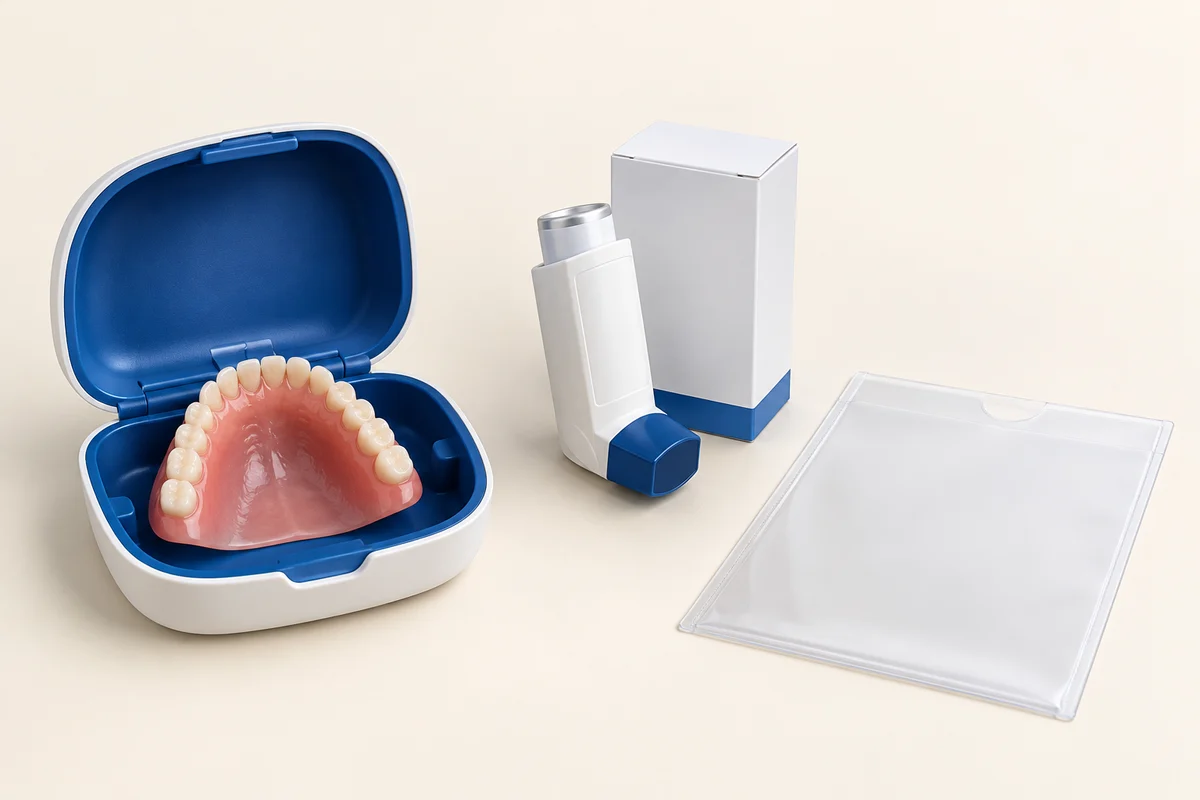
The CDC identifies dentures, dry mouth, diabetes, antibiotics and corticosteroid inhalers among possible risk factors. These details help assessment; they do not confirm thrush. Include your full medicine list and relevant medical treatment.
For dentures, describe fit, wear, cleaning and storage. For inhalers, ask the pharmacist or prescribing team about technique and mouth-care instructions. Do not stop prescribed treatment because you suspect it contributed to the problem.
Before using an antifungal
A pharmacist can advise about treatment and whether a medical or dental examination is needed. Share medicines and allergies so the proposed product can be checked for interactions and suitability.
Get clear instructions for using it, continuing it and seeking help for unwanted effects. This page does not select a product or dose. Also discuss cleaning that is comfortable and appropriate for any removable appliance.
When symptoms persist
The NHS advises GP review for painful or difficult swallowing, or no improvement after one week of treatment with a mouth gel. Follow any earlier review instructions and report worsening symptoms promptly.
If you have symptoms of thrush and a weakened immune system, or take medicines that suppress it, seek GP advice rather than waiting a week.
Repeated symptoms need reassessment rather than repeated self-chosen courses. Keep treatment names and dates available. An enquiry about future dental work should not delay local assessment of a painful or persistent mouth change.
Read the related guidance
Keep the wider treatment plan in view while comparing these options.
Choose questions to ask.
Select your questions and copy the list, or open it as a WhatsApp draft. You can edit the message before sending.
Your consultation questions
Untick any questions you don’t need.
3 selected · No contact details needed.
Common questions
About this information
Published by Best Smile Turkey, a health-tourism intermediary. Your treating dentist is responsible for assessment, treatment and care.
Use this information to prepare questions for your dentist. An examination is needed to advise on treatment. Photographs, models and previews cannot establish suitability or predict results.
Source checking is not a clinical review. How we use sources and images, or how to report a correction.
Sources and further reading
- NHS: oral thrush Adult symptoms, pharmacy advice and when persistent symptoms or swallowing problems need GP review.
- CDC: candidiasis risk factors Medicines, dentures, dry mouth and medical history relevant to assessment of oral candidiasis.
- NHS: dental treatments explained An overview of crowns, bridges, veneers, implants and other options.
- General Dental Council: going abroad for dental treatment Questions to ask about the treating provider, follow-up arrangements and concerns.
These resources offer general guidance; their publishers do not endorse Best Smile Turkey or the treating provider. Manufacturer links identify products or records, not independently compared outcomes. NHS funding information concerns UK care, not treatment costs in Turkey.
Ask about this information or report a correction