
On this page
A KEY QUESTION
Relief products can improve comfort, but the cause and protection of your teeth also need attention.
Why saliva matters
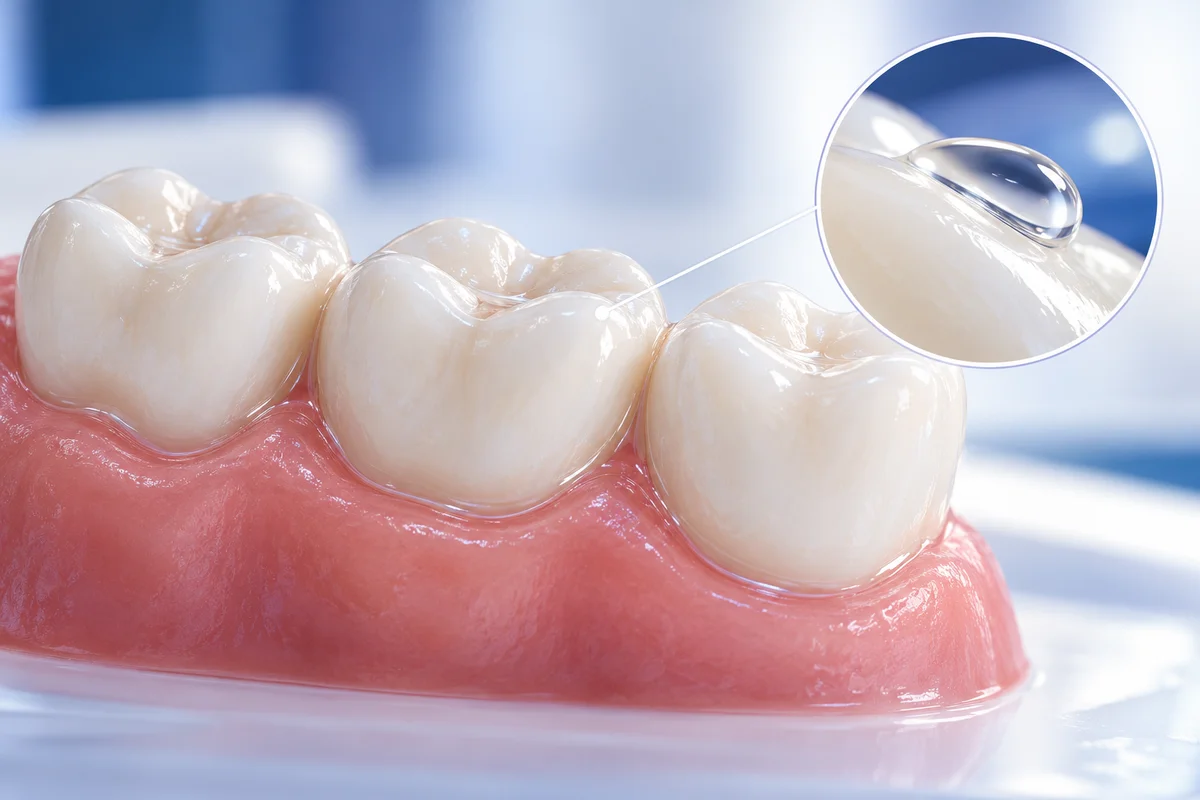
Saliva helps swallowing, clears food and supplies minerals that support teeth. Persistent dryness is not an inevitable part of ageing. Tell the dentist even if your teeth look unchanged, particularly before planning new restorations.
Describe the pattern
Note when dryness began, whether it happens overnight or all day, and any soreness or taste changes. Include products tried and difficulties with food or speech. Dehydration, mouth breathing, medicines and medical conditions can contribute; symptoms alone cannot identify the cause.
Review medicines with the prescriber
Bring prescription and non-prescription names and doses. Mention timing alongside any medicine change without assuming a link proves the cause. Do not stop, reduce or swap prescribed treatment yourself. A pharmacist can help with relief products while you arrange assessment.
- Did dryness follow a medicine change?
- Who should assess the possible cause?
- Which products suit my health and dental work?
Relief without extra tooth damage
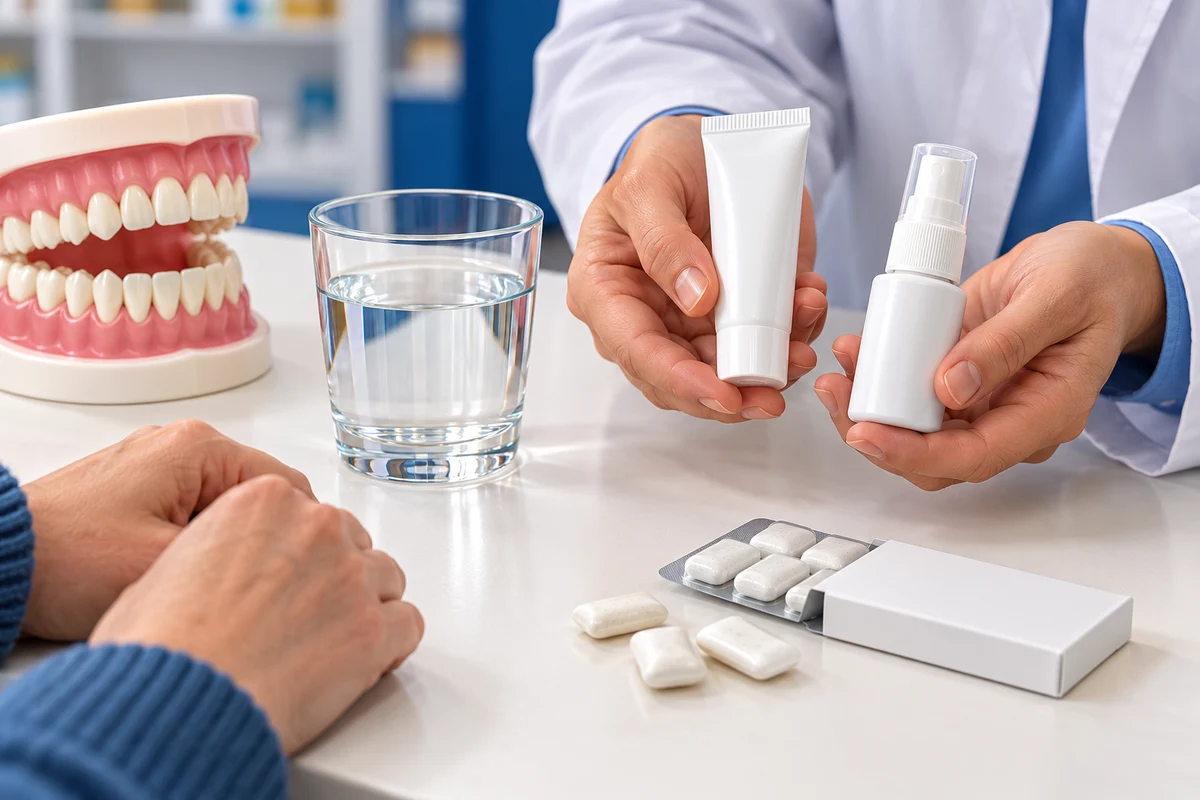
Regular water sips and sugar-free gum may help. Ask a pharmacist about gels, sprays or saliva substitutes. NHS advice is to avoid acidic artificial saliva products when you have natural teeth and limit sugary or acidic foods and drinks. Bring frequently used products to your dental appointment.
A prevention plan
Brush twice daily with fluoride toothpaste, including before bed, then spit without rinsing. Adults should use at least 1,350 ppm fluoride unless advised otherwise; a dentist may recommend another strength. Agree suitable cleaning and review arrangements. Mouthwash cannot replace brushing, and teeth beneath crowns still need protection.
- Toothpaste and recommended fluoride strength
- Purpose and directions for additional products
- Review date and changes to report sooner
When to seek assessment
See a GP if dryness persists despite self-care, affects eating or talking, or occurs with sore white patches, dry eyes or frequent urination. Mention dental discomfort to your dentist. Raise unresolved dryness before travelling for elective treatment and ask whether further assessment is needed first.
Read the related guidance
Keep the wider treatment plan in view while comparing these options.
Choose questions to ask.
Select your questions and copy the list, or open it as a WhatsApp draft. You can edit the message before sending.
Your consultation questions
Untick any questions you don’t need.
3 selected · No contact details needed.
Common questions
About this information
Published by Best Smile Turkey, a health-tourism intermediary. Your treating dentist is responsible for assessment, treatment and care.
Use this information to prepare questions for your dentist. An examination is needed to advise on treatment. Photographs, models and previews cannot establish suitability or predict results.
Source checking is not a clinical review. How we use sources and images, or how to report a correction.
Sources and further reading
- NHS: dry mouth Possible causes, symptom relief, medicine precautions and reasons to see a GP.
- National Institute of Dental and Craniofacial Research: dry mouth Saliva’s protective functions, dental risks and clinical assessment.
- NHS: keeping teeth clean Fluoride toothpaste, twice-daily brushing and advice not to rinse immediately afterwards.
- NHS: dental treatments explained An overview of crowns, bridges, veneers, implants and other options.
- General Dental Council: going abroad for dental treatment Questions to ask about the treating provider, follow-up arrangements and concerns.
These resources offer general guidance; their publishers do not endorse Best Smile Turkey or the treating provider. Manufacturer links identify products or records, not independently compared outcomes. NHS funding information concerns UK care, not treatment costs in Turkey.
Ask about this information or report a correction