

On this page
A KEY QUESTION
Identify the purpose and follow the directions for the exact product, keeping brushing and interdental cleaning central.
Start with the reason for using it.
A cosmetic rinse may temporarily freshen breath without treating its cause. Other rinses contain ingredients intended to help with decay prevention, plaque or gum inflammation. Products serving different purposes are not automatically interchangeable.
Note why a rinse is recommended and when its effect will be reviewed. Persistent bad breath, bleeding or pain should not be masked indefinitely with a stronger-tasting product.
Read the whole instruction panel.
Look for the active ingredient, intended use and any warnings. Check whether the product is actually designed for use inside the mouth. An ingredient may also appear in skin products.
Use the stated amount and directions for your specific product or prescription; do not make a homemade mixture or combine rinses to increase their effect. If the wording is unclear or the label is in another language, a pharmacist can help.
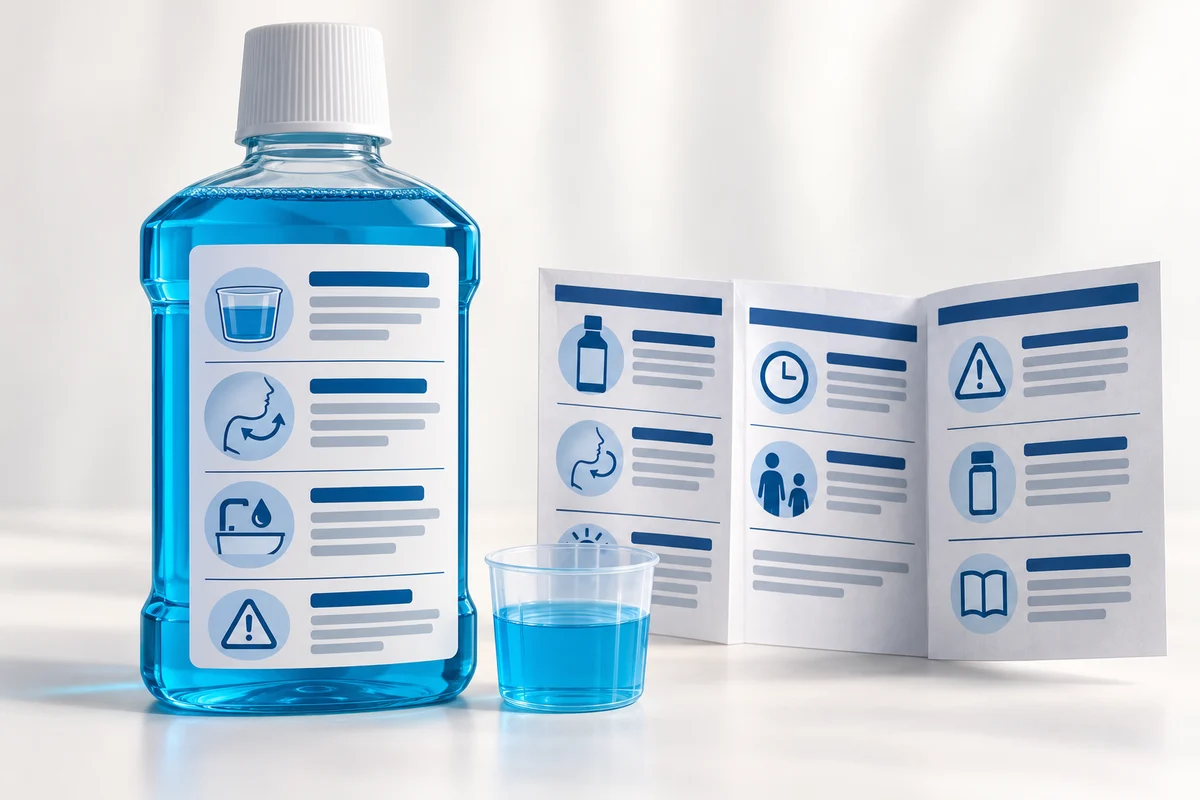
Fit rinsing around effective cleaning.
Mouthwash does not replace brushing with fluoride toothpaste or cleaning between teeth. The NHS advises against using mouthwash straight after brushing because it washes away the concentrated fluoride left by the toothpaste. Spit out toothpaste after brushing rather than rinsing it away.
When a prescribed rinse has specific timing instructions, have the dentist or pharmacist explain how it fits into your routine. Do not resolve conflicting instructions by guessing or changing the prescribed course yourself.
Give medicated rinses a clear review point.
Chlorhexidine is an antiseptic used in some dental products and is usually intended for short-term treatment. It is not simply a stronger everyday breath freshener. In the UK, some products can be bought without a prescription; availability does not mean they suit every problem.
Have the prescriber or pharmacist clarify the intended duration, when the problem should be reviewed and any product-specific precautions. Keep the packaging for reference.
Report unwanted effects or unresolved symptoms.
Chlorhexidine dental products can cause staining and dry mouth. Tell a dentist or pharmacist about new irritation or other unwanted effects and get advice on the next step. Do not add another product merely to counter a problem caused by the first.
Persistent symptoms need assessment. Bring the product and instructions so the clinician knows what you have used.
Read the related guidance
Keep the wider treatment plan in view while comparing these options.
Choose questions to ask.
Select your questions and copy the list, or open it as a WhatsApp draft. You can edit the message before sending.
Your consultation questions
Untick any questions you don’t need.
3 selected · No contact details needed.
Common questions
About this information
Published by Best Smile Turkey, a health-tourism intermediary. Your treating dentist is responsible for assessment, treatment and care.
Use this information to prepare questions for your dentist. An examination is needed to advise on treatment. Photographs, models and previews cannot establish suitability or predict results.
Source checking is not a clinical review. How we use sources and images, or how to report a correction.
Sources and further reading
- American Dental Association: mouthrinse Cosmetic and therapeutic purposes and the limits of rinsing as an addition to cleaning.
- NHS: about chlorhexidine UK product context, usual short-term use and effects including staining and dry mouth.
- NHS: how to keep your teeth clean Brushing, interdental cleaning and using mouthwash separately from brushing.
- NHS: dental treatments explained An overview of crowns, bridges, veneers, implants and other options.
- General Dental Council: going abroad for dental treatment Questions to ask about the treating provider, follow-up arrangements and concerns.
These resources offer general guidance; their publishers do not endorse Best Smile Turkey or the treating provider. Manufacturer links identify products or records, not independently compared outcomes. NHS funding information concerns UK care, not treatment costs in Turkey.
Ask about this information or report a correction