

On this page
A KEY QUESTION
Let the dentist and prescriber coordinate any treatment decision. Do not stop or replace a medicine to try to shrink your gums.
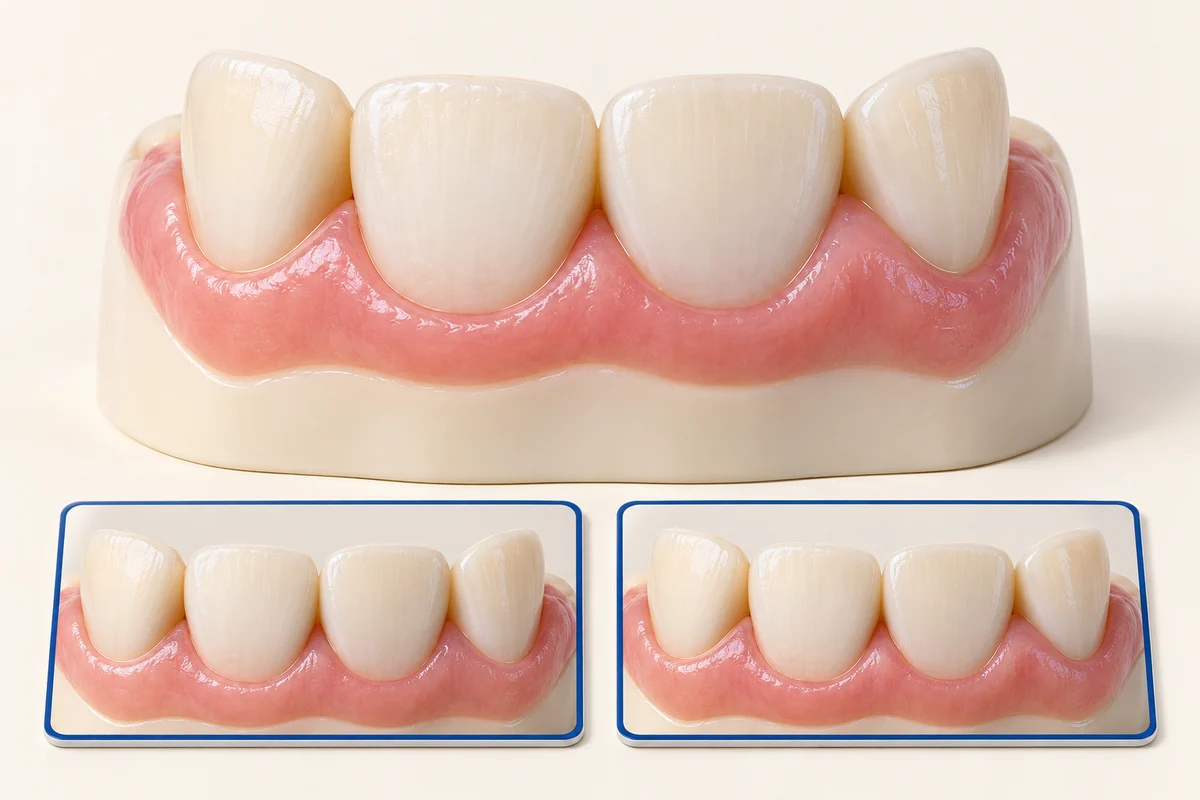
Describe the gum changes
Tell the dentist which areas seem bulkier, when the change began and whether there is soreness, bleeding or difficulty cleaning. Mention effects on eating or appliance fit. Earlier photographs can help explain the timeline.
Plaque-related inflammation, orthodontic treatment and medical conditions can also be relevant. A new lump or persistent sore area needs attention in its own right rather than being assumed to be part of general enlargement.
Bring exact medicine names
Leeds Teaching Hospitals lists phenytoin, ciclosporin and calcium-channel-blocker medicines among possible contributors. The phenytoin patient leaflet also lists enlarged gums. These are examples, not a complete list or a way to diagnose yourself.
Bring current names, strengths, schedules and prescriber details, including recent changes and non-prescription products. Distinguish medicines you still take from those you have stopped under medical advice.
Let the dentist and prescriber compare findings
If a medicine contribution is suspected, the dentist can discuss the findings with your prescriber with your agreement. The medical purpose of treatment and possible alternatives need to be considered together. A request for advice is not a replacement prescription.
Do not skip doses yourself. For example, the phenytoin leaflet warns that sudden discontinuation can lead to a seizure. Establish who will tell you if the professionals agree a change.
Cleaning, treatment and recurrence
Leeds explains that plaque control affects overgrowth and recurrence. Get a demonstration for areas that are hard to reach, and explain any discomfort or dexterity problems. Agree when the response will be reviewed.
If removal of excess tissue is proposed, discuss its purpose, alternatives and how contributing factors will be managed. Enlargement can return, particularly when a medicine or medical condition remains involved. This page cannot decide whether surgery is appropriate.
Read the related guidance
Keep the wider treatment plan in view while comparing these options.
Choose questions to ask.
Select your questions and copy the list, or open it as a WhatsApp draft. You can edit the message before sending.
Your consultation questions
Untick any questions you don’t need.
4 selected · No contact details needed.
Common questions
About this information
Published by Best Smile Turkey, a health-tourism intermediary. Your treating dentist is responsible for assessment, treatment and care.
Use this information to prepare questions for your dentist. An examination is needed to advise on treatment. Photographs, models and previews cannot establish suitability or predict results.
Source checking is not a clinical review. How we use sources and images, or how to report a correction.
Sources and further reading
- Leeds Teaching Hospitals: periodontal surgery The gingivectomy section explains possible contributors to overgrowth, cleaning and recurrence concerns.
- Electronic Medicines Compendium: phenytoin patient leaflet Manufacturer patient information listing enlarged gums and warning against unsupervised discontinuation.
- NHS: dental treatments explained An overview of crowns, bridges, veneers, implants and other options.
- General Dental Council: going abroad for dental treatment Questions to ask about the treating provider, follow-up arrangements and concerns.
These resources offer general guidance; their publishers do not endorse Best Smile Turkey or the treating provider. Manufacturer links identify products or records, not independently compared outcomes. NHS funding information concerns UK care, not treatment costs in Turkey.
Ask about this information or report a correction