

On this page
A KEY QUESTION
Agree a review plan that covers tissues, restoration and cleaning access, with a named clinician responsible for follow-up.
Bring the changes you have noticed
Note discomfort, bleeding, food trapping, movement or a changed bite, including when it started. Mention changes in health, medicines or cleaning ability. Bring your cleaning tools so the team can see which step is difficult and demonstrate a workable technique.
Understand the tissue examination
The European Federation of Periodontology recommends checking for bleeding and changes in measurements around implants. Ask what was recorded and whether it differs from earlier findings. Appearance alone is insufficient, and an isolated measurement should not become a self-diagnosis.
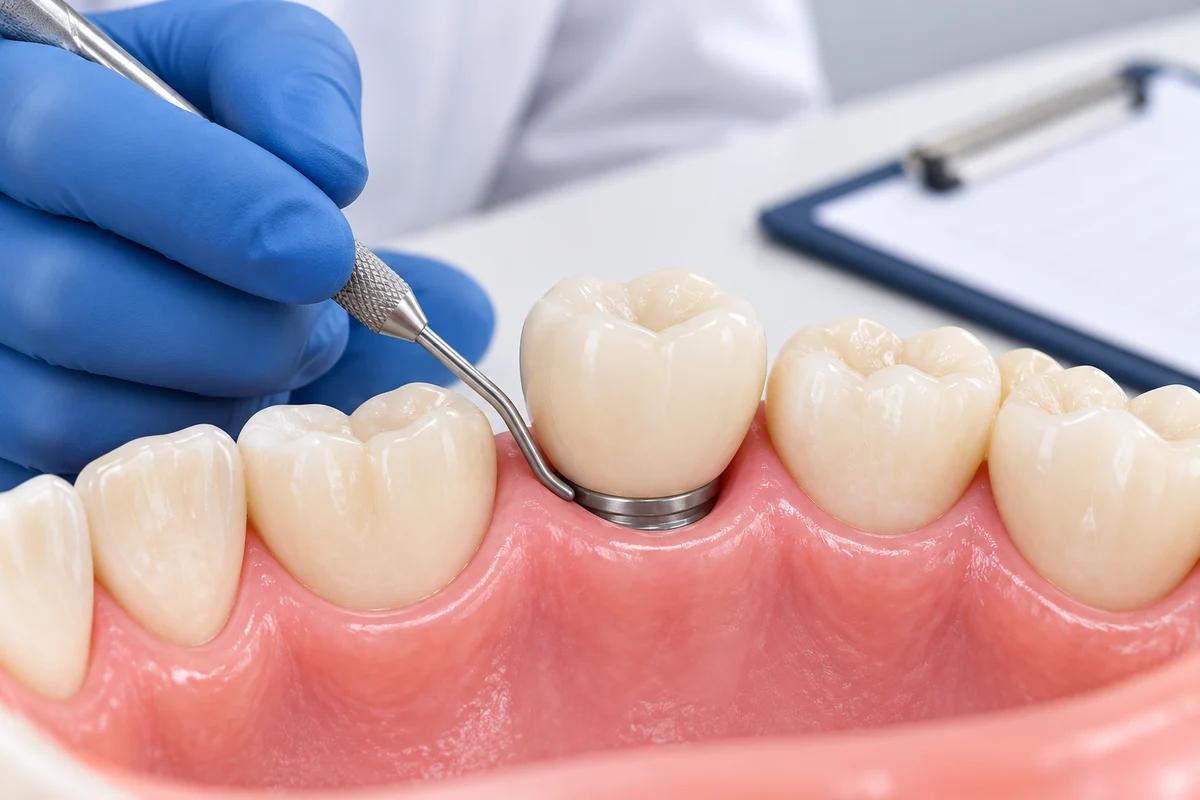
Include the crown, bridge or denture
The replacement teeth and connectors need attention as well as the implant support. Describe chips, instability or altered chewing. Cambridge University Hospitals notes that restorations and retaining components can wear. Clarify whether your appointment includes restorative assessment or whether a separate visit is needed.
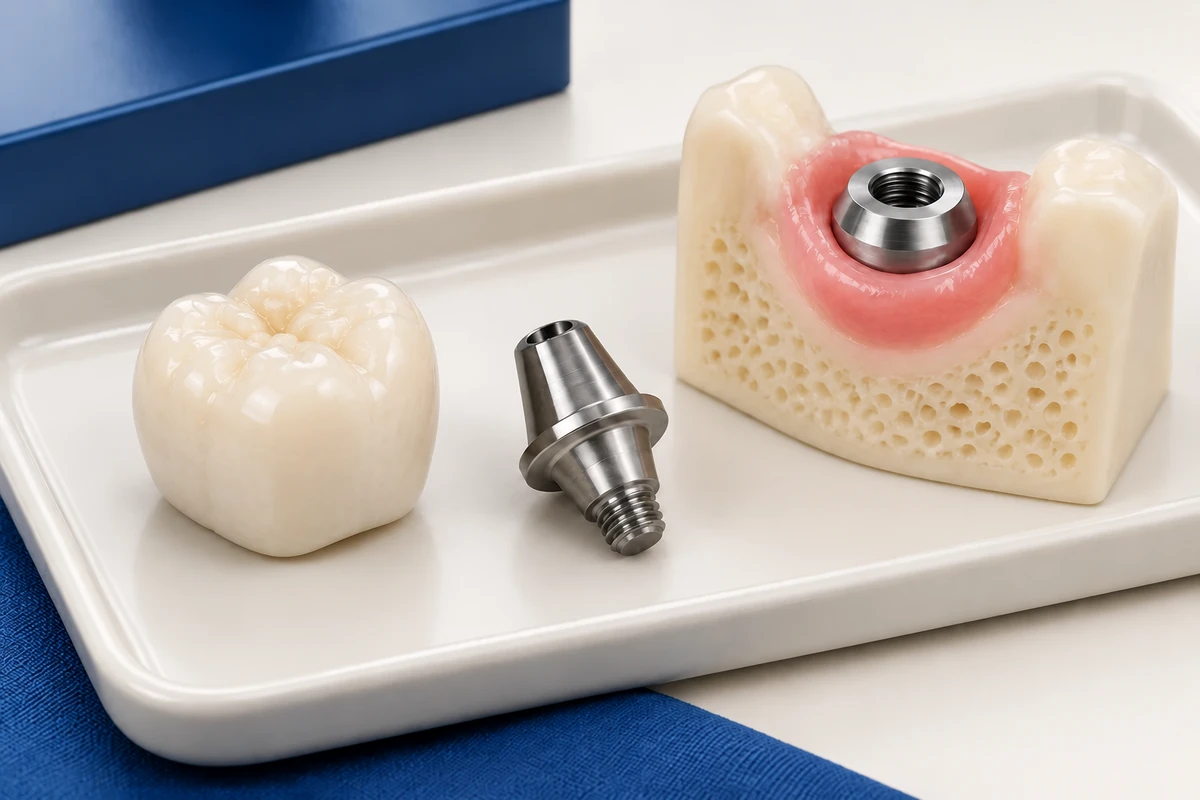
Compare with earlier records
Useful records include implant identification, earlier tissue measurements and relevant images. The dentist decides whether new imaging is justified; every review does not automatically need an X-ray. Keep copies when changing practices. Records help continuity but do not guarantee local access to every repair.
Agree your next review
The interval should reflect findings, risk factors and maintenance needs. Ask why that timing is recommended and what could bring it forward. For treatment abroad, agree which checks happen near home and which involve the original team, including appointments, records and charges.
Act on changes between visits
The FDA advises contacting your dental provider promptly about implant pain or looseness. Do not repeatedly test movement or tighten components yourself. Leave each appointment knowing what was found and who will arrange any further assessment or treatment.
- Findings and any changes
- Demonstrated home-care advice
- Next review and responsible clinician
- Contact for new symptoms
Read the related guidance
Keep the wider treatment plan in view while comparing these options.
Choose questions to ask.
Select your questions and copy the list, or open it as a WhatsApp draft. You can edit the message before sending.
Your consultation questions
Untick any questions you don’t need.
3 selected · No contact details needed.
Common questions
About this information
Published by Best Smile Turkey, a health-tourism intermediary. Your treating dentist is responsible for assessment, treatment and care.
Use this information to prepare questions for your dentist. An examination is needed to advise on treatment. Photographs, models and previews cannot establish suitability or predict results.
Source checking is not a clinical review. How we use sources and images, or how to report a correction.
Source-check record
These checks cover only the stated claims, not the whole page or your individual care.
- EFP prevention guidance describes professional bleeding and tissue-measurement checks. This does not diagnose disease from appearance or one measurement, and does not verify an individual examination. Checked .
- EFP guidance covers baseline tissue records and imaging prompted by relevant clinical changes; FDA guidance supports keeping implant identification. This does not prescribe imaging at every visit or verify local repair access. Checked .
- CUH’s long-term complications information describes wear of restorations and retaining components. This checks the reason for restorative follow-up, not what is included in a booked appointment, replacement timing or cost. Checked .
Sources and further reading
- European Federation of Periodontology: prevention of peri-implant diseases Professional tissue assessment, baseline records and supportive implant care recommendations.
- Cambridge University Hospitals: dental implants in restorative dentistry Long-term care considerations for implant-supported restorations and components.
- FDA: dental implants, what you should know Implant components, long-term risks, professional reviews and reporting pain or movement.
- NHS: dental treatments explained An overview of crowns, bridges, veneers, implants and other options.
- General Dental Council: going abroad for dental treatment Questions to ask about the treating provider, follow-up arrangements and concerns.
These resources offer general guidance; their publishers do not endorse Best Smile Turkey or the treating provider. Manufacturer links identify products or records, not independently compared outcomes. NHS funding information concerns UK care, not treatment costs in Turkey.
Ask about this information or report a correction