

On this page
WHEN TO GET URGENT HELP
Severe swelling, trouble breathing or swallowing, or uncontrolled bleeding needs immediate local emergency care. Do not wait for a coordinator’s reply.
How long do dental implants take to heal?
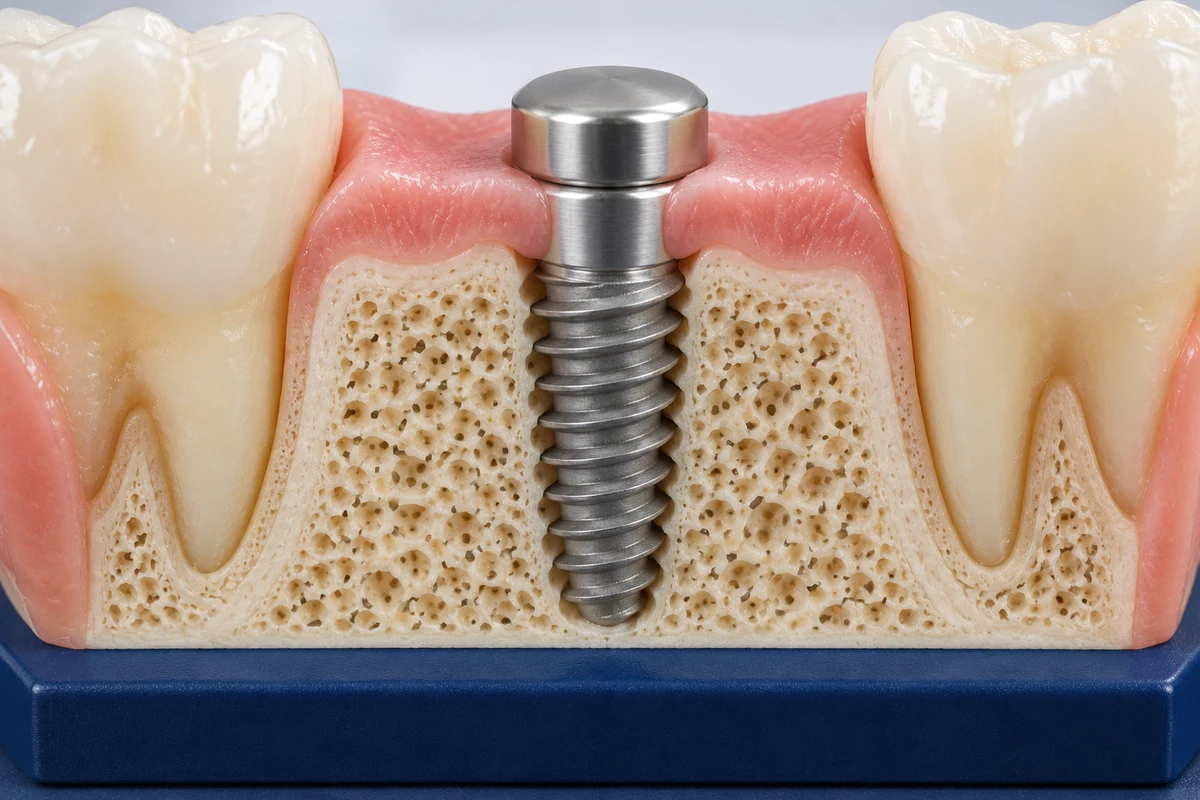
Gums can heal before the implant joins with the jawbone. Feeling comfortable does not mean the implant is ready for unrestricted chewing or final teeth. Follow the stage your dentist confirms. Early swelling and bruising vary with surgery, grafting and health; ask what to expect and when to call.
Cleaning and eating
Confirm where and when to brush, whether to use a rinse and which foods your temporary teeth allow. Do not combine online wound-care routines, clean stitches vigorously or test the implant with fingers or tongue.
Discuss smoking cessation and restrictions on alcohol, exercise and denture wearing. Grafts, sedation and full-arch teeth may need additional instructions.

Medicines and numbness
Follow prescribed instructions and check medicine questions with your dentist or pharmacist. Antibiotics are not always needed: do not use leftovers or change prescriptions yourself.
Local anaesthetic temporarily alters sensation. Contact the clinician promptly if numbness lasts longer than expected or new tingling, numbness or other altered feeling affects your lip, chin or tongue after surgery.
When to contact a dentist
Seek prompt assessment for severe, worsening or uncontrolled pain; unexpectedly increasing or returning swelling; fever; pus; or a persistent unpleasant taste with pain or swelling. Photos and messages cannot reliably diagnose these.
Report loose implants, healing components or temporary teeth. Avoid chewing on them; do not test, tighten or glue them. If your team is unavailable, seek urgent dental care locally.
Get emergency help now
Difficulty breathing, speaking or swallowing, substantial mouth or neck swelling, or swelling affecting an eye needs immediate local emergency assessment. So does heavy bleeding or bleeding that continues after following your pressure instructions.
Do not wait for a coordinator, photo review or flight home. In the UK, call 999 or go to A&E for emergencies. Do not drive yourself to A&E; have someone take you or call 999 for an ambulance. NHS 111 can help with urgent dental access in England. Elsewhere, use local services.
Before travelling home
The treating dentist should decide when work, exercise and travel can resume. Best Smile Turkey coordinates enquiries and travel arrangements; the treating dental team provides clinical care.
- Written eating, cleaning and medicine instructions
- Clinical and out-of-hours contacts
- Wound review, stitch removal and travel advice
- Next stages for temporary and final teeth
- Records and follow-up arrangements at home
- Who arranges and pays for additional care
Read the related guidance
Keep the wider treatment plan in view while comparing these options.
Questions for a clinical assessment
Seek the local care described above first. When you speak with the clinician, these questions may help you understand the plan.
- Who should I contact after returning home, and how will reviews be arranged?
- Will I receive my treatment records and written care instructions?
- How many visits are expected, and what could change the timetable?
- What should I confirm about accommodation, transfers and travel before booking?
- Who pays if further treatment or another trip is needed?
Common questions
For future treatment planning, after appropriate clinical care: Dental implants from £399 per tooth. Includes the implant fixture, abutment and final crown for one tooth. Your dentist confirms suitability and the full written quote.
About this information
Published by Best Smile Turkey, a health-tourism intermediary. Your treating dentist is responsible for assessment, treatment and care.
Use this information to prepare questions for your dentist. An examination is needed to advise on treatment. Photographs, models and previews cannot establish suitability or predict results.
Source checking is not a clinical review. How we use sources and images, or how to report a correction.
Sources and further reading
- Guy’s and St Thomas’ NHS: after having a dental implant Postoperative effects, individual care instructions, bleeding and follow-up.
- Leeds Teaching Hospitals NHS: dental implants Different healing stages, common surgical effects and ongoing care.
- Cambridge University Hospitals: insertion of dental implants Surgical aftercare and possible changes in lip, chin or tongue sensation.
- Bupa Dental Care: implant aftercare Protecting the surgical area and symptoms to discuss with the treating dentist.
- NHS: dental abscess Urgent dental assessment and emergency signs involving swelling, breathing or swallowing.
- NHS: dental treatments explained An overview of crowns, bridges, veneers, implants and other options.
- General Dental Council: going abroad for dental treatment Questions to ask about the treating provider, follow-up arrangements and concerns.
These resources offer general guidance; their publishers do not endorse Best Smile Turkey or the treating provider. Manufacturer links identify products or records, not independently compared outcomes. NHS funding information concerns UK care, not treatment costs in Turkey.
Ask about this information or report a correction