

On this page
A KEY QUESTION
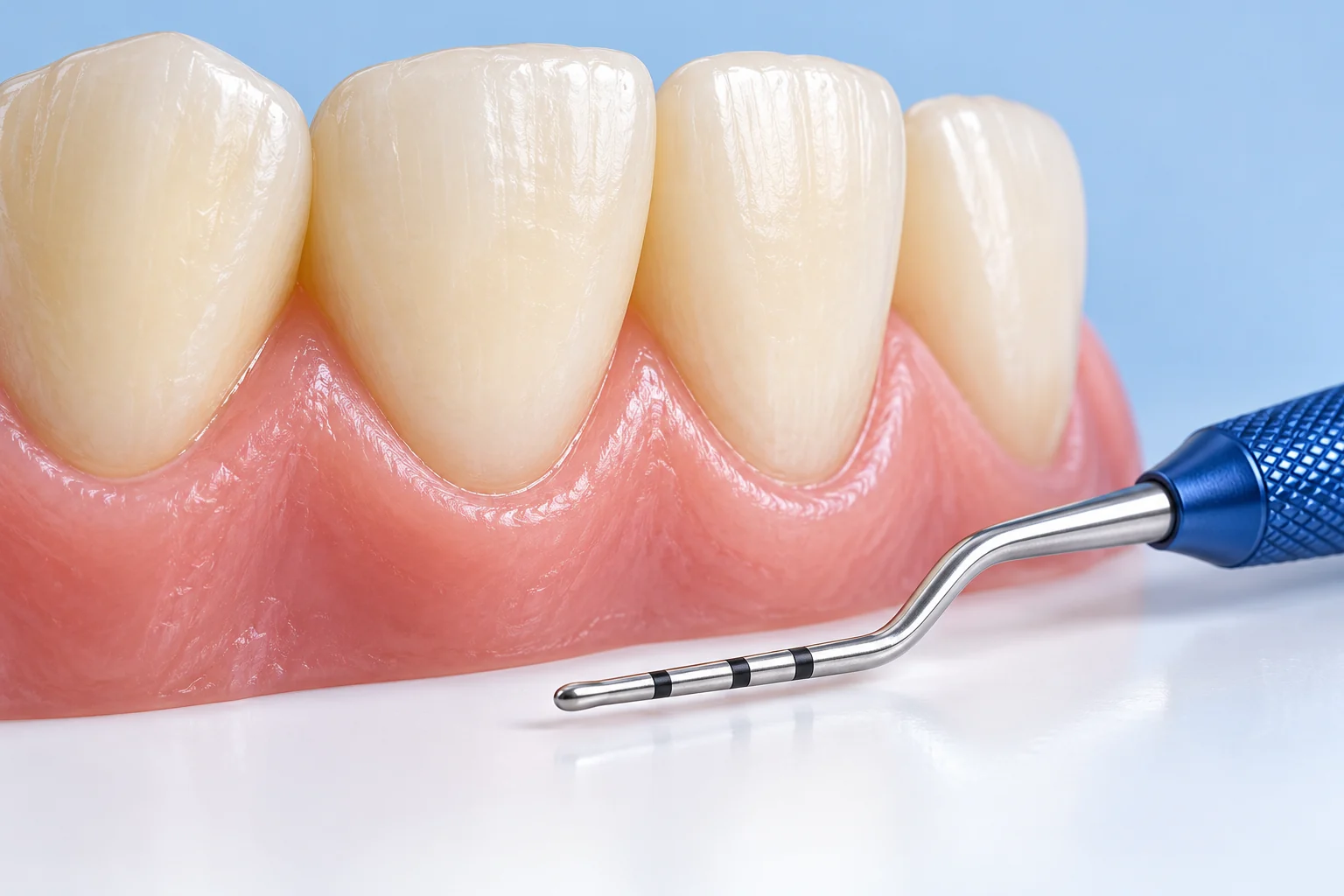
Clarify whether treatment aims to relieve sensitivity, thicken tissue or cover an exposed root.
Find the cause
Possible contributors include forceful brushing, gum disease, thin tissue, tooth position and local tissue attachments. Causes can differ between teeth. Describe changes, sensitivity and cleaning difficulties. Ask whether recession is stable, how it will be recorded and whether specialist advice would help.
Check sensitivity separately
Exposed roots can be sensitive, but decay, cracks or worn restorations can also cause symptoms. Treatment depends on the cause and may include desensitising toothpaste, professional fluoride or tooth-surface repair. These do not necessarily change the gum position.
Ask about non-surgical care
Address contributing cleaning habits, inflammation or tooth-surface problems. Ask for a cleaning demonstration that avoids excessive force. If monitoring is appropriate, agree what will be compared and when to seek an earlier review. For a gumline restoration, clarify its purpose and effect on future gum treatment.
Understand the graft’s aim
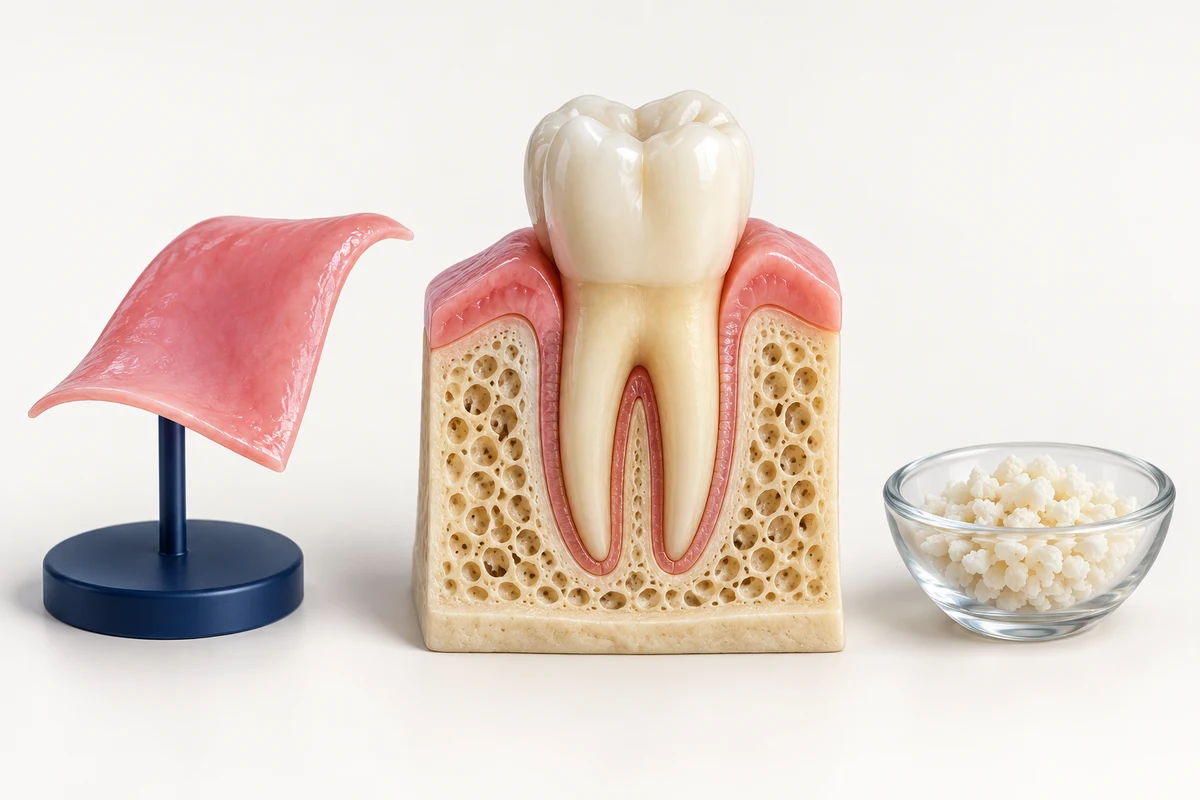
A soft-tissue graft commonly moves tissue from elsewhere in the mouth. It may aim to cover a root, reduce sensitivity, improve cleaning or add tissue thickness. It differs from a bone graft.
- Where will the tissue come from?
- Which sites need treatment and postoperative care?
- What coverage is realistic, and what may remain exposed?
- What are the alternatives, including monitoring?
One assessment. Different treatment aims.
Sensitivity relief, tissue thickness and root coverage need their own discussion.
What explains the change?
Ask about contributing factors, sensitivity and whether the recession appears stable.
Care & monitoring
- Cleaning habits and inflammation
- Cause-specific sensitivity care
- Changes to compare at review
Graft discussion
- Tissue source and sites involved
- Realistic thickness or coverage aims
- Suitable alternatives and limitations
Agree the review and any sequence with crowns, veneers or implant treatment.
Which problem is each part of the plan intended to improve?
Plan gums and restorations together
Clarify whether treatment concerns a natural tooth, existing implant or proposed implant site. Some implant plans benefit from soft-tissue preparation; not everyone needs a graft.
For crowns or veneers, discuss tooth shape and gum position together. Ask who reassesses healing and whether it could change the final restoration or schedule.
Protect healing tissue
Risks include discomfort, bleeding, swelling, infection, uneven gumline and further treatment. Follow individual food, cleaning and activity instructions for donor and recipient sites. Do not pull the lip or cheek aside to inspect the wound. Confirm reviews and which symptoms should prompt a call.
Confirm care before travelling
Agree assessment, clinician, procedure availability, healing reviews and possible extra visits before booking. A graft appointment may be only one stage.
Ask whether the treating provider offers gum grafting, who would carry it out and whether you need a specialist referral.
Read the related guidance
Keep the wider treatment plan in view while comparing these options.
Choose questions to ask.
Select your questions and copy the list, or open it as a WhatsApp draft. You can edit the message before sending.
Your consultation questions
Untick any questions you don’t need.
5 selected · No contact details needed.
Common questions
About this information
Published by Best Smile Turkey, a health-tourism intermediary. Your treating dentist is responsible for assessment, treatment and care.
Use this information to prepare questions for your dentist. An examination is needed to advise on treatment. Photographs, models and previews cannot establish suitability or predict results.
Source checking is not a clinical review. How we use sources and images, or how to report a correction.
Sources and further reading
- Cambridge University Hospitals: gum grafting Recession contributors, soft-tissue graft aims, the procedure and possible complications.
- American Dental Association: sensitive teeth Different causes of sensitivity and treatment options, including non-surgical care and selected grafting.
- Guy’s and St Thomas’: recovering from gum graft surgery Protecting the wound, postoperative care and the role of a healing review.
- NHS: dental treatments explained An overview of crowns, bridges, veneers, implants and other options.
- General Dental Council: going abroad for dental treatment Questions to ask about the treating provider, follow-up arrangements and concerns.
These resources offer general guidance; their publishers do not endorse Best Smile Turkey or the treating provider. Manufacturer links identify products or records, not independently compared outcomes. NHS funding information concerns UK care, not treatment costs in Turkey.
Ask about this information or report a correction