

On this page
A KEY QUESTION
Start with the history and health of the gap, then compare the amount of tooth movement or shape change each option would involve.
Has the gap changed?
A diastema is a gap between teeth. Many are a normal variation, but new spacing can be associated with problems such as gum disease.
Bring older photographs if they show a change. Mention bleeding, discomfort or looseness. Establish the cause of new movement before covering the space with restorative material.
What the dentist checks
Tooth size, missing teeth, tooth positions, gum health and the bite can all affect the discussion. Similar-looking spaces may have different causes.
Find out whether the gap is isolated or part of wider spacing. Do not assume the band of tissue under the lip is responsible or needs surgery merely because you can see it.
Keeping the gap
If the teeth and gums are healthy, closure may be a preference rather than a clinical need. Discuss any functional concern and what observation would involve.
Be specific about what bothers you, if anything: the central space, unequal tooth sizes or several tooth positions. This helps avoid changing more teeth than you intended.
Reshaping or moving teeth
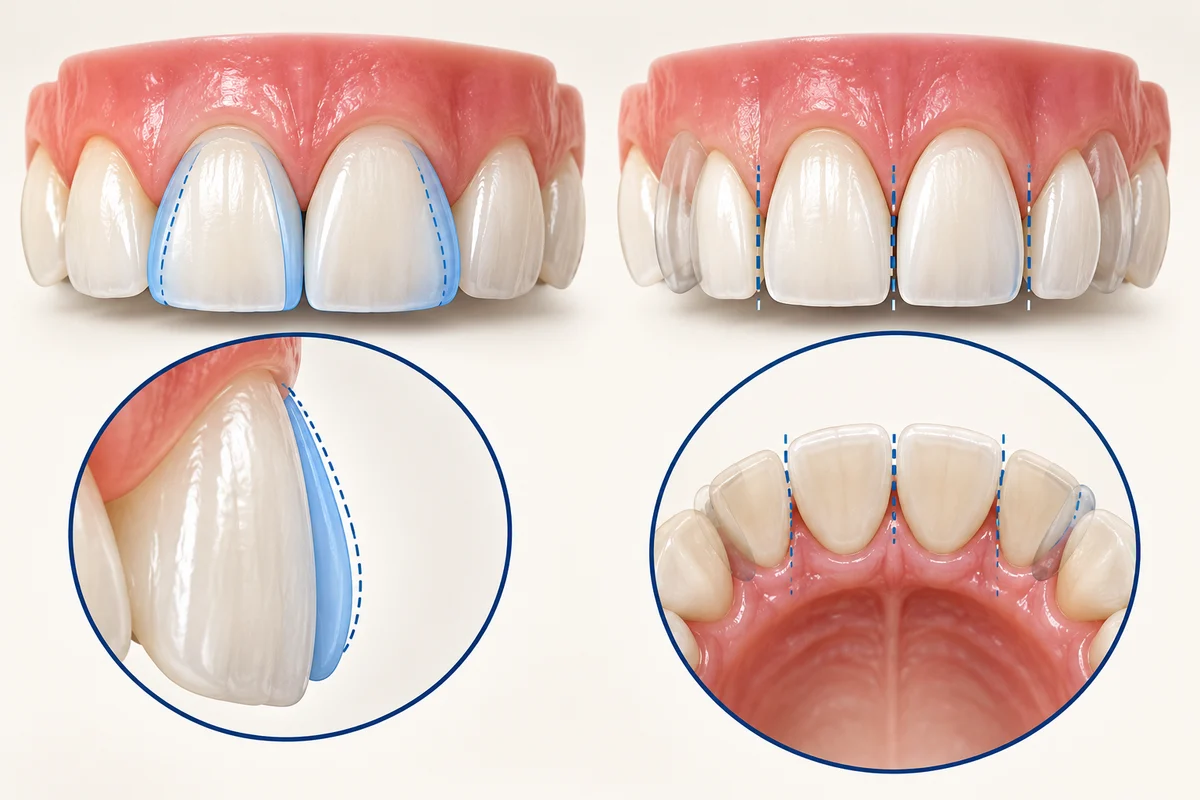
Bonding and veneers change visible tooth shape. Orthodontics moves teeth. These options affect natural tooth tissue and tooth position differently.
A proposed result should show how space is distributed and what happens to tooth width. Could adding material make the front teeth look too broad? Would movement involve other teeth? A selfie cannot answer those questions.
When the plan has several stages
A combined plan may reposition teeth before changing their proportions. Establish the sequence and who approves the final shapes. Missing teeth need a separate replacement or space-management decision.
If gum treatment is needed first, agree how its response will be assessed. Keep the reason for each stage so a change of plan remains understandable.
Maintaining closure
Teeth can move after orthodontic treatment, so discuss retainers and their review before starting. Restorations need cleaning and may eventually need repair or replacement.
Best Smile Turkey coordinates enquiries. The treating clinician must establish the cause and suitable options. Make sure you understand what the plan changes and the continuing care it needs before organising travel.
Read the related guidance
Keep the wider treatment plan in view while comparing these options.
Choose questions to ask.
Select your questions and copy the list, or open it as a WhatsApp draft. You can edit the message before sending.
Your consultation questions
Untick any questions you don’t need.
3 selected · No contact details needed.
Common questions
About this information
Published by Best Smile Turkey, a health-tourism intermediary. Your treating dentist is responsible for assessment, treatment and care.
Use this information to prepare questions for your dentist. An examination is needed to advise on treatment. Photographs, models and previews cannot establish suitability or predict results.
Source checking is not a clinical review. How we use sources and images, or how to report a correction.
Sources and further reading
- Cleveland Clinic: Diastema Longstanding versus new/changing gaps, possible causes and different treatment discussions.
- British Orthodontic Society: adult orthodontic questions Adult tooth movement, dental and gum health, treatment goals and questions about coordinated care.
- British Orthodontic Society: retainers Relapse, longer-term tooth movement and the need for an individually explained retention plan.
- NHS: dental treatments explained An overview of crowns, bridges, veneers, implants and other options.
- General Dental Council: going abroad for dental treatment Questions to ask about the treating provider, follow-up arrangements and concerns.
These resources offer general guidance; their publishers do not endorse Best Smile Turkey or the treating provider. Manufacturer links identify products or records, not independently compared outcomes. NHS funding information concerns UK care, not treatment costs in Turkey.
Ask about this information or report a correction