
On this page
A KEY QUESTION
Use your cancer team’s urgent contact route for troublesome mouth symptoms. Do not book elective dental surgery around gaps in the diary without their advice.
Who should plan the care?
Ask your oncology doctor or nurse which dentist should assess you and communicate with them. You may need your usual practice, a hospital dentist or a restorative specialist. Confirm the necessary expertise rather than assuming a travel provider can arrange it.
What records are needed?
Share treatment types and dates, current medicines and relevant oncology letters. Include head and neck radiotherapy, bone-strengthening medicines and previous mouth complications. Ask for a secure route for the relevant records and check that a treating clinician has reviewed them.
Previous radiotherapy
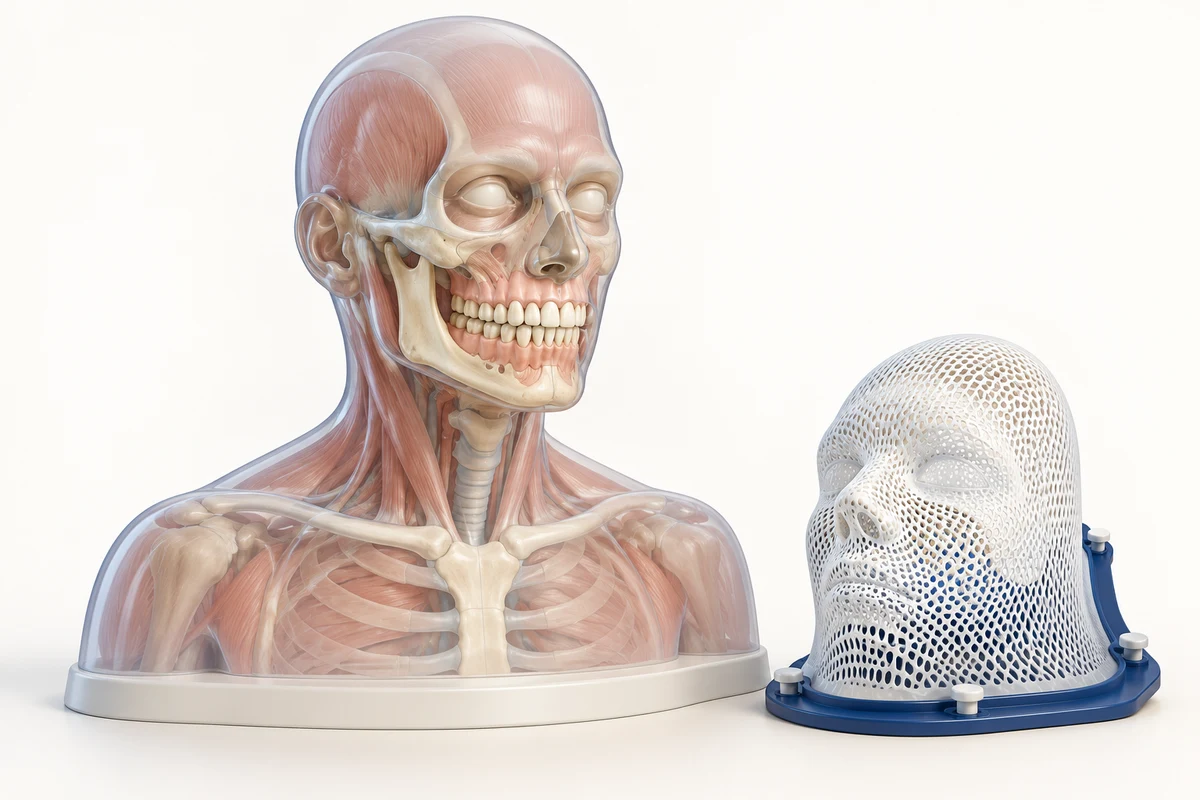
Radiotherapy involving the jaws can affect bone healing after procedures such as extraction. Tell every new dentist before discussing extractions, implants or surgery. The treatment location and details matter; there is no universal waiting period. Specialist advice may be needed.
When to contact the cancer team
Guy’s and St Thomas’ advises immediate contact for fever, a very sore mouth affecting eating or drinking, a white tongue coating or large, deep ulcers. Follow your team’s own instructions and temperature thresholds.
Explain if you cannot drink or take prescribed medicines. Use the out-of-hours contact or local urgent medical care if the team is unavailable. Severe breathing difficulty or collapse needs emergency services.
A manageable mouth-care routine
Cancer treatment can affect saliva, taste and the mouth lining. Ask for cleaning and product advice suited to your treatment, including any denture difficulties. Report pain or dryness that makes care impossible, and ask for nutrition or hydration support when needed.
Later dental treatment
Completing cancer treatment does not automatically make implants or surgery suitable. Ask whether oncology records or specialist review are needed. Agree necessary repairs, elective choices and continuing care before arranging treatment abroad.
Read the related guidance
Keep the wider treatment plan in view while comparing these options.
Choose questions to ask.
Select your questions and copy the list, or open it as a WhatsApp draft. You can edit the message before sending.
Your consultation questions
Untick any questions you don’t need.
4 selected · No contact details needed.
Common questions
About this information
Published by Best Smile Turkey, a health-tourism intermediary. Your treating dentist is responsible for assessment, treatment and care.
Use this information to prepare questions for your dentist. An examination is needed to advise on treatment. Photographs, models and previews cannot establish suitability or predict results.
Source checking is not a clinical review. How we use sources and images, or how to report a correction.
Sources and further reading
- Leeds Teaching Hospitals NHS: oral care around oral cancer treatment Dental assessment before treatment and lasting implications of radiotherapy to the jaws.
- Guy’s and St Thomas’ NHS: mouth care during and after cancer treatment Mouth complications, when to contact the cancer team immediately and coordinated dental care.
- NHS: dental treatments explained An overview of crowns, bridges, veneers, implants and other options.
- General Dental Council: going abroad for dental treatment Questions to ask about the treating provider, follow-up arrangements and concerns.
These resources offer general guidance; their publishers do not endorse Best Smile Turkey or the treating provider. Manufacturer links identify products or records, not independently compared outcomes. NHS funding information concerns UK care, not treatment costs in Turkey.
Ask about this information or report a correction