

On this page
A KEY QUESTION
Most mouth ulcers settle within a week or two. A persistent or unusual sore needs examination, even if you suspect rubbing caused it.
When to get help
NHS urgent-dental guidance uses the two-week threshold for a non-healing or worsening ulcer. Contact a dentist or NHS 111 in England. Do not wait for the separate three-week threshold in the general ulcer guidance.
Seek advice sooner for an unusual ulcer, bleeding, increasing pain or redness. Breathing difficulty or inability to swallow needs immediate local emergency help. WhatsApp is not an emergency service.
One lasting sore or repeated ulcers?
Tell the clinician whether the same sore has stayed in one place or separate ulcers appear and heal. Note when it first appeared, not just when it became painful. If you are unsure, say so.
Rubbing from teeth or dentures
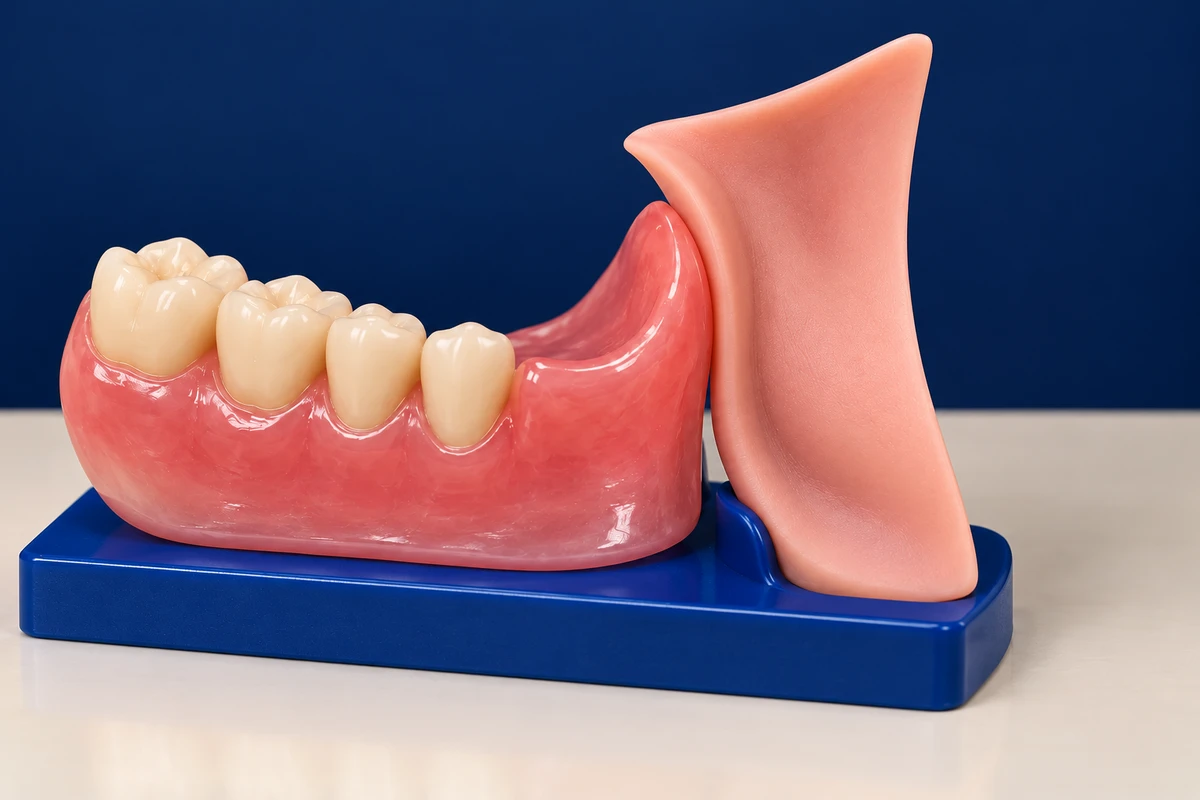
A sharp tooth, rough filling or poorly fitting denture may irritate the mouth. Mention any contact with the sore, but do not file teeth or alter a denture yourself. After an adjustment, agree when to return if the ulcer remains.
Keeping comfortable
Use a soft toothbrush and avoid foods that irritate the sore. A pharmacist can advise on comfort products for a recent uncomplicated ulcer. Explain medicines and allergies first. Relief does not replace a check when warning signs apply.
After the examination
Check when to return if the sore remains and who will contact you about any tests or referral. A referral does not itself mean cancer. Report worsening symptoms while waiting rather than assuming the original appointment date is still appropriate.
Read the related guidance
Keep the wider treatment plan in view while comparing these options.
Questions for a clinical assessment
Seek the local care described above first. When you speak with the clinician, these questions may help you understand the plan.
- Will I receive my treatment records and written care instructions?
- Who should I contact after returning home, and how will reviews be arranged?
Common questions
For future treatment planning, after appropriate clinical care: Compare starting prices in GBP, including zirconia crowns from £160. Your dentist confirms suitability and the full written quote.
About this information
Published by Best Smile Turkey, a health-tourism intermediary. Your treating dentist is responsible for assessment, treatment and care.
Use this information to prepare questions for your dentist. An examination is needed to advise on treatment. Photographs, models and previews cannot establish suitability or predict results.
Source checking is not a clinical review. How we use sources and images, or how to report a correction.
Sources and further reading
- NHS: mouth ulcers Usual ulcer duration, persistent or unusual ulcers and professional review.
- NHS: symptoms of mouth cancer Mouth and neck changes that need assessment and what a referral means.
- NHS: emergency and urgent dental care Current urgent dental access routes, injury priorities and emergency warning signs.
- NHS: dental treatments explained An overview of crowns, bridges, veneers, implants and other options.
- General Dental Council: going abroad for dental treatment Questions to ask about the treating provider, follow-up arrangements and concerns.
These resources offer general guidance; their publishers do not endorse Best Smile Turkey or the treating provider. Manufacturer links identify products or records, not independently compared outcomes. NHS funding information concerns UK care, not treatment costs in Turkey.
Ask about this information or report a correction