

On this page
A KEY QUESTION
Do not wait for a cosmetic consultation or an online photo assessment.
When to get help
Contact a GP for an ulcer lasting over three weeks, a red or white patch, a mouth, lip, neck or throat lump, ongoing mouth pain, swallowing or speaking difficulty, or persistent hoarseness. A dentist can also assess mouth ulcers, patches, lumps and pain.
Use urgent dental advice or NHS 111 in England for a growing or non-resolving lump or patch, or an ulcer lasting two weeks without healing or with deterioration. Acute breathing or swallowing difficulty needs immediate local emergency help. WhatsApp is not an emergency service.
Photographs cannot give an all-clear
These symptoms can occur without cancer. Equally, looking different from an online example does not make a change harmless. Book an examination without waiting to decide what the cause might be.
What to tell the clinician
Describe when it began, where it is and any change in size, colour or eating. Mention unexplained weight loss, neck symptoms or speech changes. Bring medicine and health details. You can discuss smoking, alcohol or other sensitive information privately.
What happens at the check
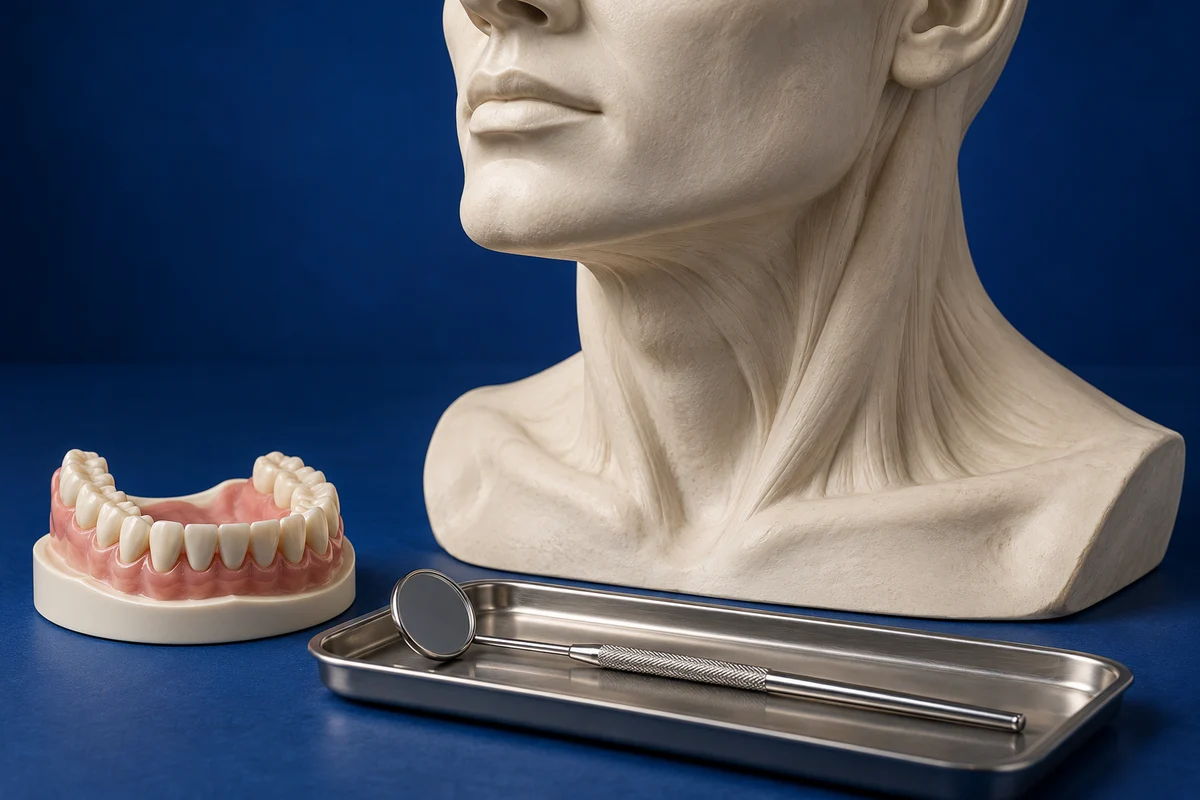
The clinician looks and feels inside your mouth and may examine your jaw and neck. Point out anything that feels different, including painless areas. You can ask for someone to be present and explain any communication or access needs.
If you are referred
A specialist referral means further investigation is needed; it does not confirm cancer. Check who will contact you, how the appointment will be arranged and whom to call if you hear nothing. Keep the referral details.
Persistent or changing symptoms
Ask for review if symptoms persist after reassurance or treatment. Report changes while awaiting a referral. Tell any dentist planning other treatment about the concern, and keep the investigation moving before arranging elective work abroad.
Read the related guidance
Keep the wider treatment plan in view while comparing these options.
Questions for a clinical assessment
Seek the local care described above first. When you speak with the clinician, these questions may help you understand the plan.
- Will I receive my treatment records and written care instructions?
- Who should I contact after returning home, and how will reviews be arranged?
Common questions
For future treatment planning, after appropriate clinical care: Compare starting prices in GBP, including zirconia crowns from £160. Your dentist confirms suitability and the full written quote.
About this information
Published by Best Smile Turkey, a health-tourism intermediary. Your treating dentist is responsible for assessment, treatment and care.
Use this information to prepare questions for your dentist. An examination is needed to advise on treatment. Photographs, models and previews cannot establish suitability or predict results.
Source checking is not a clinical review. How we use sources and images, or how to report a correction.
Source-check record
These checks cover only the stated claims, not the whole page or your individual care.
- NHS mouth-cancer guidance on assessment for a persistent ulcer and other mouth/neck changes, combined with NHS urgent-dental guidance for a non-healing or worsening ulcer at two weeks and a growing or persistent lump or patch. These are different assessment routes, not advice to wait three weeks. This comparison does not diagnose a lesion or verify every emergency statement in the section. Checked .
- NHS explanation that referral for specialist tests does not itself establish a cancer diagnosis. This check does not verify individual referral timing, local service availability or appointment administration. Checked .
Sources and further reading
- NHS: symptoms of mouth cancer Mouth and neck changes that need assessment and what a referral means.
- NHS: emergency and urgent dental care Current urgent dental access routes, injury priorities and emergency warning signs.
- NHS: what happens at a dental appointment Medical history, oral examination and discussing the reasons for treatment.
- NHS: dental treatments explained An overview of crowns, bridges, veneers, implants and other options.
- General Dental Council: going abroad for dental treatment Questions to ask about the treating provider, follow-up arrangements and concerns.
These resources offer general guidance; their publishers do not endorse Best Smile Turkey or the treating provider. Manufacturer links identify products or records, not independently compared outcomes. NHS funding information concerns UK care, not treatment costs in Turkey.
Ask about this information or report a correction