
On this page
A KEY QUESTION
Brush for about two minutes, spit out the excess toothpaste and avoid rinsing straight afterwards.
Choose a manageable brush
A small head and soft bristles can help you reach comfortably. Replace worn brushes. Manual and powered brushes can both work; choose one you can guide well. Tell your dental team if grip, gagging or jaw opening makes brushing difficult.
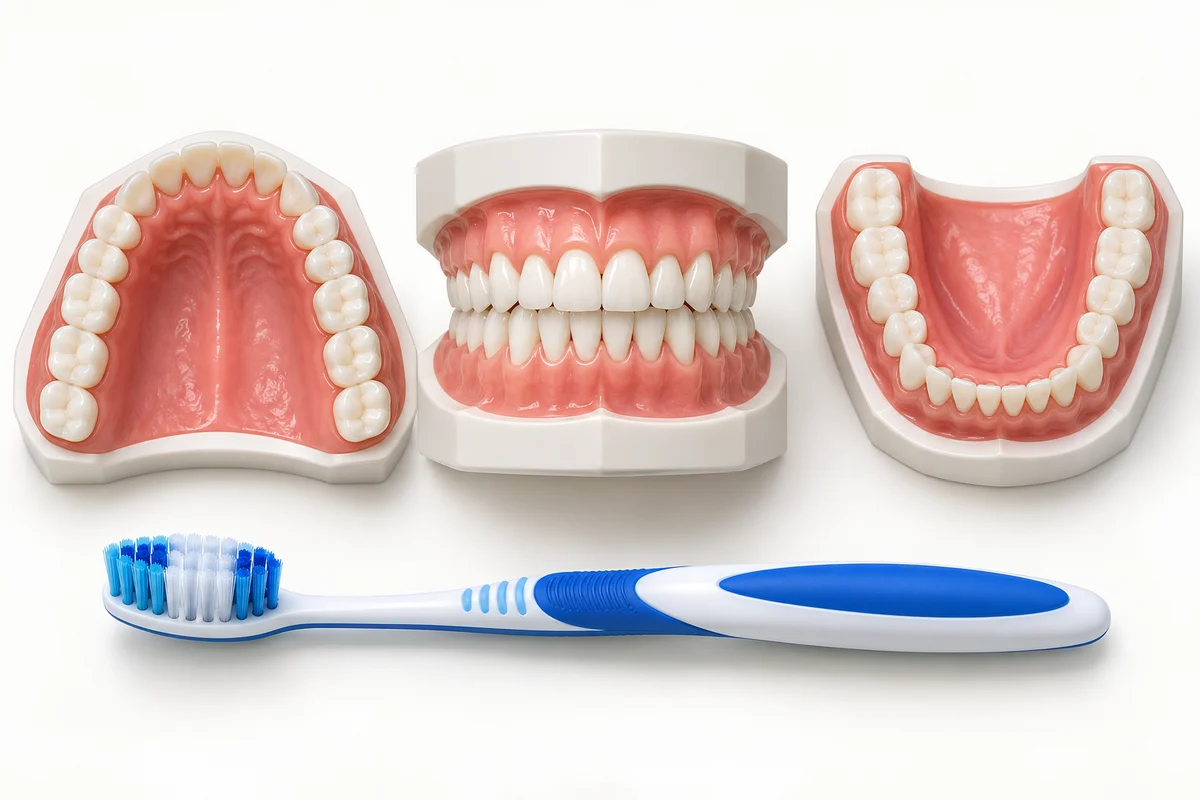
Follow a route
Work around the outside surfaces, then the inside and chewing surfaces of each jaw. Pay attention to the lower inner teeth and last molars. A timer helps with two minutes, but spending longer on one area will not clean those you miss.
Use gentle pressure
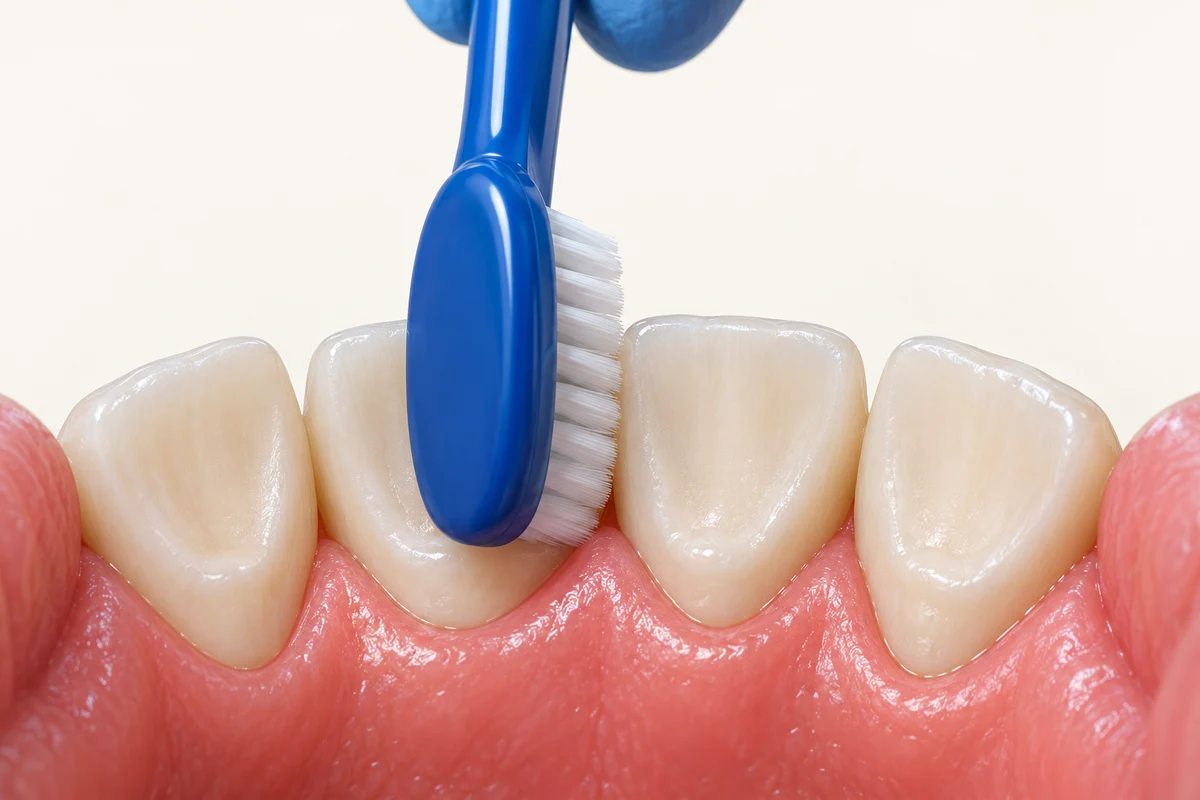
With a manual brush, angle the bristles towards the gumline and use gentle, short movements. Tilt it to reach inside the front teeth. Powered brushes may need a different action: follow the instructions and have your technique demonstrated.
Keep fluoride on the teeth
NHS advice for adults is toothpaste with at least 1,350 ppm fluoride. Spit out the excess without rinsing immediately. Use any recommended mouthwash at another time. Whitening, sensitive or natural claims do not tell you the fluoride content; read the label.
Get help with missed areas
Bring your brush to an appointment and show the dentist or hygienist where reaching is difficult. They can watch your technique and suggest changes. Spaces between teeth also need suitable interdental cleaning; ordinary brushing does not reach every surface.
After treatment or during travel
Pack familiar supplies and follow specific advice around recent surgery, implant bridges or temporary teeth. Report new bleeding, persistent sensitivity or an area you cannot clean. Pressing harder can make soreness worse and does not resolve the cause.
Read the related guidance
Keep the wider treatment plan in view while comparing these options.
Choose questions to ask.
Select your questions and copy the list, or open it as a WhatsApp draft. You can edit the message before sending.
Your consultation questions
Untick any questions you don’t need.
3 selected · No contact details needed.
Common questions
About this information
Published by Best Smile Turkey, a health-tourism intermediary. Your treating dentist is responsible for assessment, treatment and care.
Use this information to prepare questions for your dentist. An examination is needed to advise on treatment. Photographs, models and previews cannot establish suitability or predict results.
Source checking is not a clinical review. How we use sources and images, or how to report a correction.
Sources and further reading
- American Dental Association: brushing your teeth Gentle manual brushing technique, brush replacement and daily coverage.
- NHS: how to keep your teeth clean Adult fluoride toothpaste, brushing coverage and the timing of rinses.
- NHS: dental treatments explained An overview of crowns, bridges, veneers, implants and other options.
- General Dental Council: going abroad for dental treatment Questions to ask about the treating provider, follow-up arrangements and concerns.
These resources offer general guidance; their publishers do not endorse Best Smile Turkey or the treating provider. Manufacturer links identify products or records, not independently compared outcomes. NHS funding information concerns UK care, not treatment costs in Turkey.
Ask about this information or report a correction