

On this page
A KEY QUESTION
Ask the treating dentist to explain each change before you decide about the next irreversible step.
Identify the new finding.
Was the change prompted by an examination, an image, removal of an old restoration or a different understanding of your goals? Have the dentist identify the tooth and explain what is confirmed and what remains uncertain.
A changed recommendation is not automatically evidence of misconduct. If another investigation is needed, establish which decision depends on its result.
Compare the old and revised work.
Use a tooth chart or numbered list to mark procedures added, removed or altered. Separate work already completed from work still awaiting your agreement.
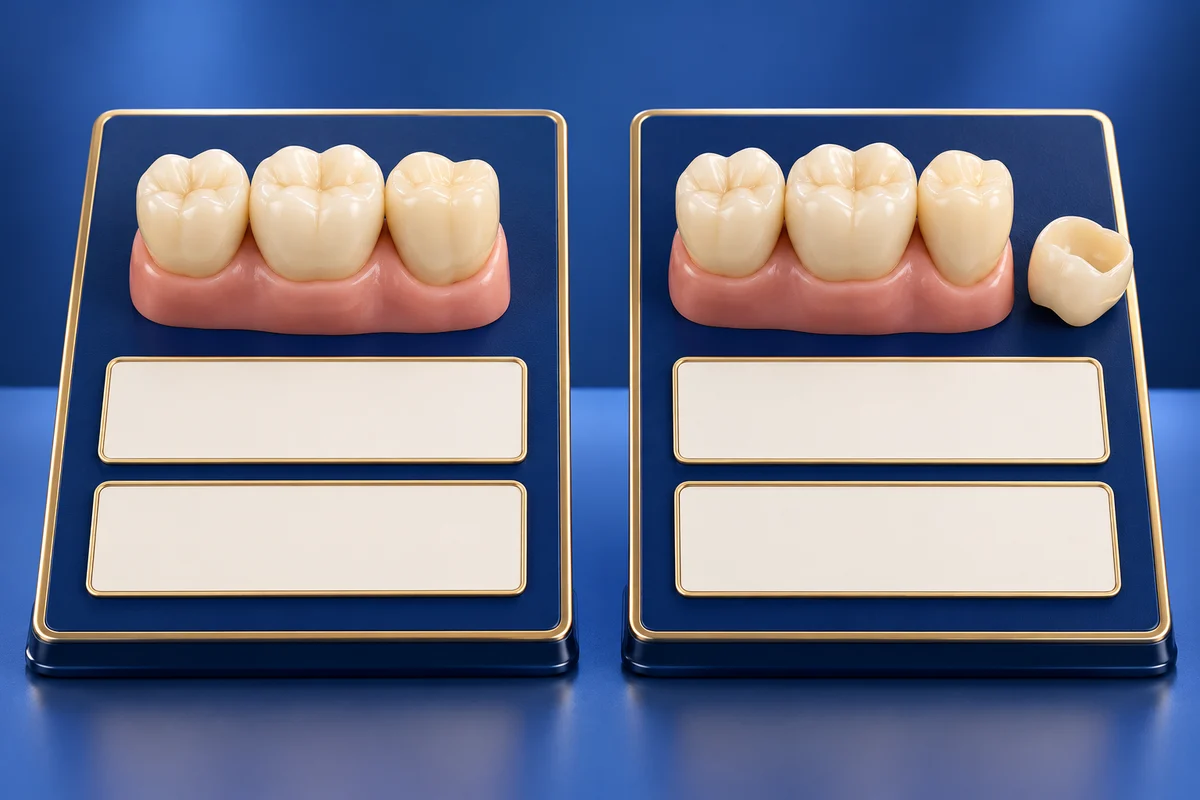
Request a dated revision, including any change from temporary to final treatment or from a veneer to a crown. A total price or tooth count can conceal a clinically important difference.
Discuss alternatives and waiting.
Find out why the new recommendation is preferred, which alternatives remain and whether a temporary measure could leave time for another opinion. If action is urgent, the clinician should explain the risk of waiting.
Stopping or declining further work may have consequences, particularly after preparation or surgery has begun. Establish how the tooth or site would be protected if you pause.
Update the costs and practical plan.
Get an itemised revision covering appointments, laboratory work, temporary restorations, reviews and possible return visits. Include travel changes before accepting an elective addition.
A different restoration may also change cleaning, repair and replacement needs. Identify who provides the revised aftercare and which costs remain uncertain. The lowest additional price is not necessarily the least consequential choice.
Record a decision you understand.
Have unfamiliar terms explained and arrange suitable language support if needed. Summarise the proposal in your own words before signing. Record the agreed next step and obtain instructions for work already performed.
GDC standards address ongoing consent for UK professionals; they do not define Turkish law. Ask the overseas provider about its process. Best Smile Turkey can coordinate the discussion, but the treating clinician explains the recommendation. Travel pressure should not replace your decision.
Read the related guidance
Keep the wider treatment plan in view while comparing these options.
Choose questions to ask.
Select your questions and copy the list, or open it as a WhatsApp draft. You can edit the message before sending.
Your consultation questions
Untick any questions you don’t need.
5 selected · No contact details needed.
Common questions
About this information
Published by Best Smile Turkey, a health-tourism intermediary. Your treating dentist is responsible for assessment, treatment and care.
Use this information to prepare questions for your dentist. An examination is needed to advise on treatment. Photographs, models and previews cannot establish suitability or predict results.
Source checking is not a clinical review. How we use sources and images, or how to report a correction.
Source-check record
These checks cover only the stated claims, not the whole page or your individual care.
Sources and further reading
- General Dental Council: valid consent UK professional standards on understanding choices and agreeing changes; not a statement of Turkish law.
- General Dental Council: treatment abroad Questions about overseas clinicians, treatment planning and follow-up responsibilities.
- NHS: dental treatments explained An overview of crowns, bridges, veneers, implants and other options.
These resources offer general guidance; their publishers do not endorse Best Smile Turkey or the treating provider. Manufacturer links identify products or records, not independently compared outcomes. NHS funding information concerns UK care, not treatment costs in Turkey.
Ask about this information or report a correction