
On this page
A KEY QUESTION
Use verified contacts and the complaint route for the country and issue involved.
Urgent care comes first
Worsening pain, swelling or suspected infection needs prompt dental advice. Seek local care if the treating team is unavailable. Difficulty breathing, speaking or swallowing, major mouth swelling or swelling affecting an eye needs immediate emergency assessment.
Do not wait for a refund decision or flight home. Give the clinician your treatment history and request a record of their findings.
Who needs to respond?
Find the dental provider and clinician on the plan, consent paperwork or invoice. Direct clinical concerns to that provider. Booking or transfer concerns may belong with another organisation.
Best Smile Turkey coordinates enquiries and travel-related arrangements; it is not the treating provider. Where responsibilities are unclear, request an explanation from each organisation.
Build a short timeline
List treatment dates, plan changes, when the problem appeared, contacts made and replies. Mark estimated dates as estimates. Preserve the source of important promises or instructions.
Describe what you observed and its effect on daily life. Keep that separate from an unconfirmed explanation of the cause. You do not need to diagnose the problem to request an answer.
Keep the relevant evidence
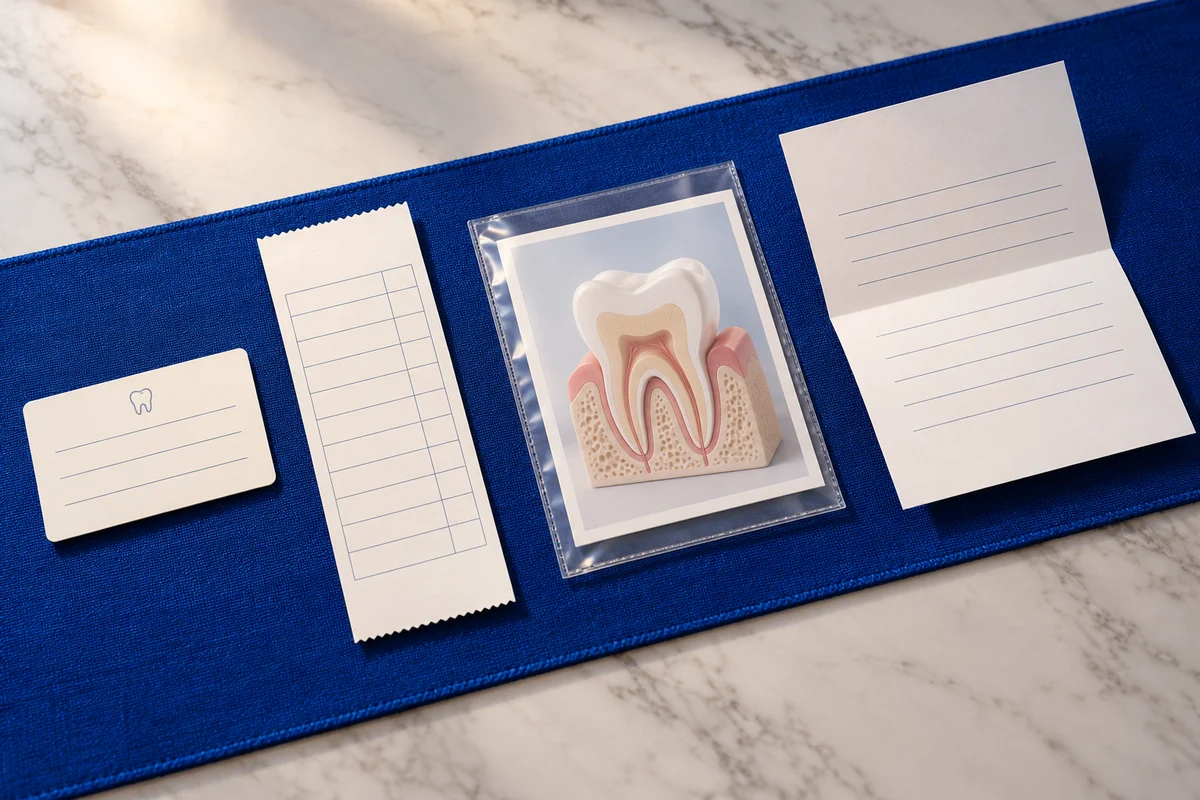
Collect the plan, consent documents, invoices, terms, care instructions and correspondence. Request relevant clinical records and images. Date photographs and preserve their originals; they cannot show the whole clinical picture.
Use a secure route and verified recipient for health information. Retain expense receipts, without assuming this establishes who must reimburse them.
State what you need
Identify your main concern, unanswered questions and requested next step: an explanation, records or an assessment proposal. Request acknowledgement, the complaints procedure, a named contact and a response timetable.
For a proposed remedy, get its scope, costs, travel implications and conditions in writing. Seek independent advice before accepting a settlement or waiver with significant consequences.
Check the escalation route
Regulation varies by country. Do not assume a UK body can resolve treatment delivered overseas. Identify the authority or independent process covering the particular issue.
For Turkey, the Ministry of Health publishes information about SABİM’s health-service concerns route. Check the official channels and establish applicability, language support and requirements. A complaint does not automatically establish compensation; legal questions need qualified local advice.
Read the related guidance
Keep the wider treatment plan in view while comparing these options.
Questions for a clinical assessment
Seek the local care described above first. When you speak with the clinician, these questions may help you understand the plan.
- Will I receive my treatment records and written care instructions?
- Who should I contact after returning home, and how will reviews be arranged?
- Who will carry out my treatment, and how can I check their qualifications and registration?
- Who pays if further treatment or another trip is needed?
Common questions
For future treatment planning, after appropriate clinical care: Compare starting prices in GBP, including zirconia crowns from £160. Your dentist confirms suitability and the full written quote.
About this information
Published by Best Smile Turkey, a health-tourism intermediary. Your treating dentist is responsible for assessment, treatment and care.
Use this information to prepare questions for your dentist. An examination is needed to advise on treatment. Photographs, models and previews cannot establish suitability or predict results.
Source checking is not a clinical review. How we use sources and images, or how to report a correction.
Sources and further reading
- General Dental Council: going abroad for dental treatment Provider checks, aftercare questions, additional costs and differences in overseas regulation.
- NHS: dental abscess Urgent dental care and emergency signs involving swelling, breathing or swallowing.
- Turkish Ministry of Health: SABİM services and contact channels Official information about SABİM health-service concerns, contact channels and how applications are routed.
- NHS: dental treatments explained An overview of crowns, bridges, veneers, implants and other options.
These resources offer general guidance; their publishers do not endorse Best Smile Turkey or the treating provider. Manufacturer links identify products or records, not independently compared outcomes. NHS funding information concerns UK care, not treatment costs in Turkey.
Ask about this information or report a correction