

On this page
A KEY QUESTION
Get a coordinated plan from your dental and diabetes clinicians before fixing treatment dates.
What to tell the dentist
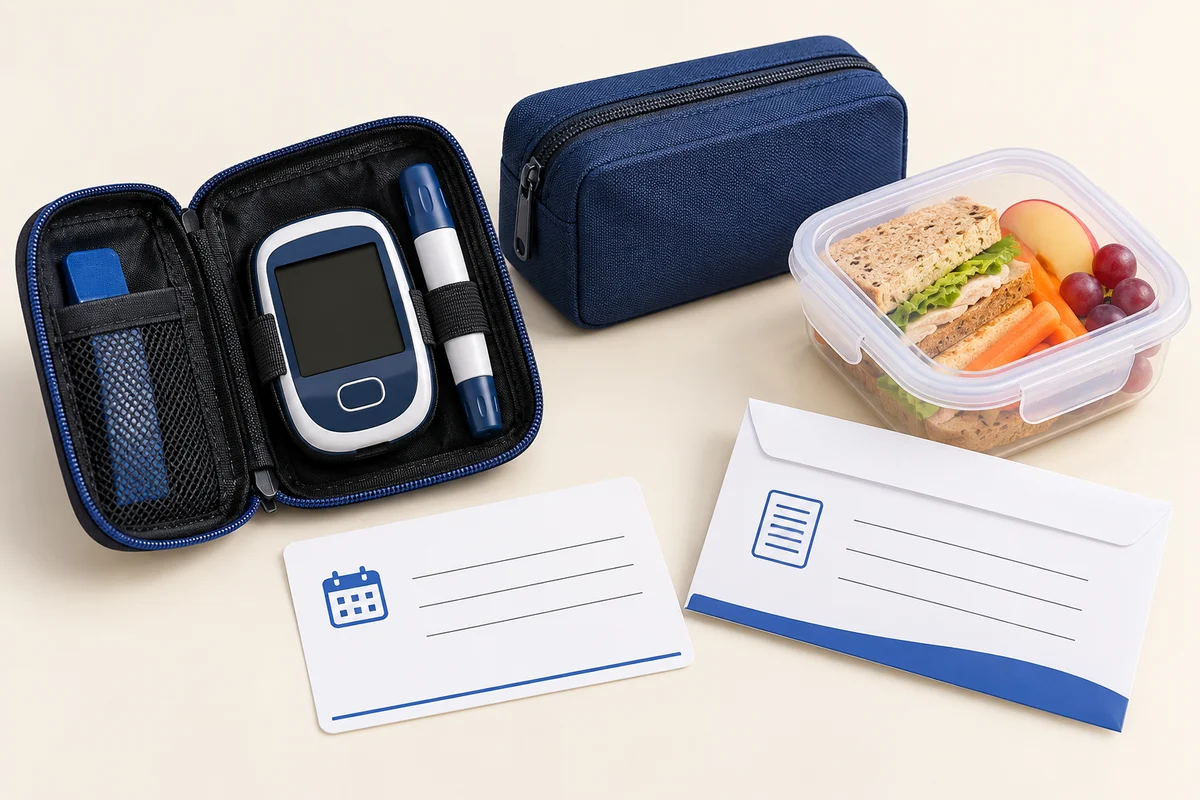
Bring your medicine names and doses, monitoring equipment details and diabetes team’s contact information. Include recent HbA1c results with dates and units, episodes of low or high glucose, other conditions and any difficulties during previous dental visits. Ask how to send records securely.
Gum health and healing
Diabetes is linked with gum disease. Poor control can affect healing and infection risk, including implant failure. The dentist should explain what needs treating first and what they will reassess before elective surgery.
How your results affect the plan
A glucose or HbA1c result needs interpreting alongside your health and the procedure. An online threshold cannot clear you for treatment. Ask whether your diabetes clinician needs to be involved and what must be resolved before surgery.
Meals and medicines
Long visits, sedation instructions and difficulty chewing can disrupt your routine. Get individual written instructions from the responsible clinicians. Do not fast, skip insulin or change another diabetes medicine yourself. Bring the supplies and instructions they advise, and plan for appointment delays.
Support during your stay
Check access to suitable food, your accommodation and any help you need after treatment. A transfer booking does not provide clinical support.
- Which medicines and monitoring supplies should I bring?
- Who do I contact if my glucose pattern changes or I cannot eat?
- What happens if the appointment or procedure changes?
- When should I seek local medical help?
Keep both teams informed
Confirm who reviews your medical information and whether the dental and diabetes teams have spoken. Tell them about health or medicine changes between appointments. Keep the agreed instructions with your records and continue routine dental reviews.
Read the related guidance
Keep the wider treatment plan in view while comparing these options.
Choose questions to ask.
Select your questions and copy the list, or open it as a WhatsApp draft. You can edit the message before sending.
Your consultation questions
Untick any questions you don’t need.
5 selected · No contact details needed.
Common questions
About this information
Published by Best Smile Turkey, a health-tourism intermediary. Your treating dentist is responsible for assessment, treatment and care.
Use this information to prepare questions for your dentist. An examination is needed to advise on treatment. Photographs, models and previews cannot establish suitability or predict results.
Source checking is not a clinical review. How we use sources and images, or how to report a correction.
Source-check record
These checks cover only the stated claims, not the whole page or your individual care.
Sources and further reading
- American Dental Association: diabetes Relevant medical history, gum health, glucose information and coordination when meals or dental procedures affect diabetes care.
- Leeds Teaching Hospitals NHS: diabetes and surgery Preparing usual equipment and clinician-issued instructions; individual dental advice is needed rather than applying hospital dosing tables yourself.
- FDA: dental implants, what you should know Health factors, including uncontrolled diabetes, that can affect implant complications and healing.
- NHS: dental treatments explained An overview of crowns, bridges, veneers, implants and other options.
- General Dental Council: going abroad for dental treatment Questions to ask about the treating provider, follow-up arrangements and concerns.
These resources offer general guidance; their publishers do not endorse Best Smile Turkey or the treating provider. Manufacturer links identify products or records, not independently compared outcomes. NHS funding information concerns UK care, not treatment costs in Turkey.
Ask about this information or report a correction