

On this page
A KEY QUESTION
Understand what treats the cause, why medicine is or is not needed, and when to return.
Treating the source
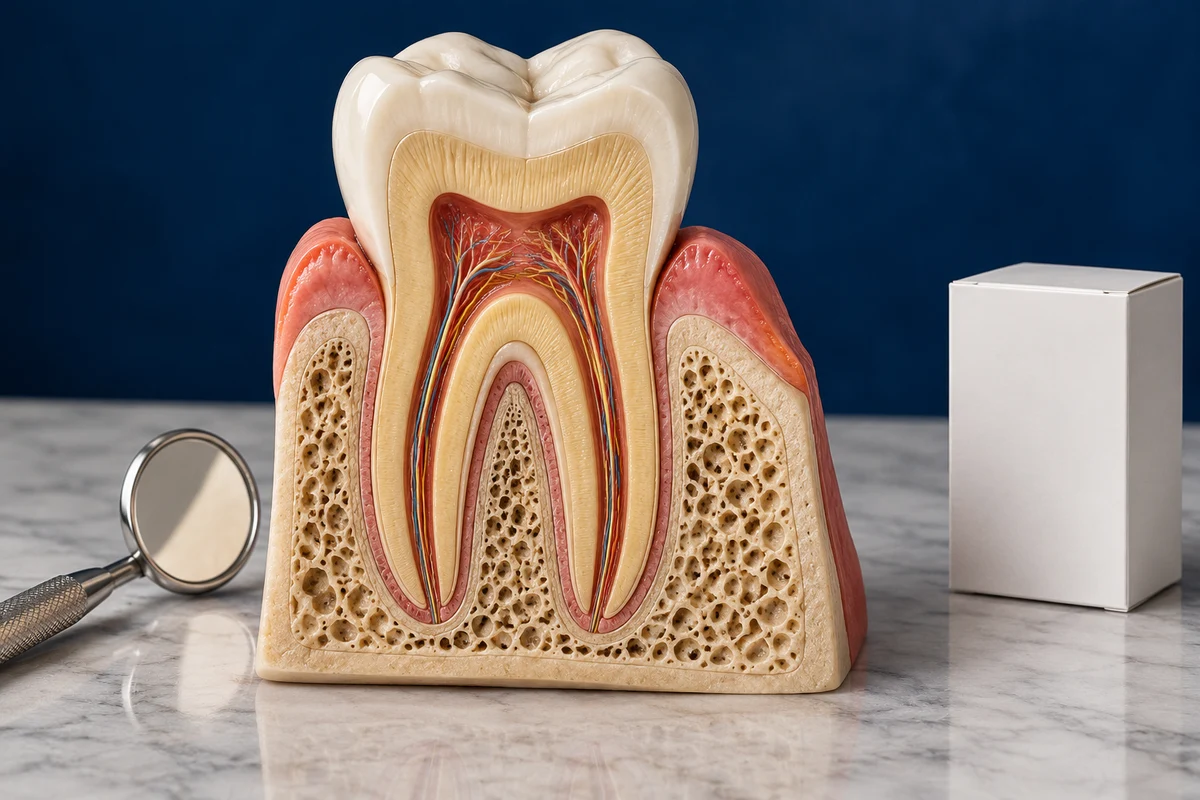
SDCEP advises dentists to manage an abscess with local treatment, including drainage and addressing the cause where possible. This might involve the tooth, root canal system or gum.
You should leave knowing the diagnosis and proposed treatment. If no antibiotic is prescribed, the dentist can explain why and what change would require review.
Why an antibiotic may be prescribed
Spreading infection, effects on general health and difficulty achieving local treatment can affect the decision. Pain intensity, a photograph or a previous prescription cannot settle it.
Find out whether the medicine is treating infection or serving a specific preventive purpose. Any remaining dental appointment still matters; a prescription is not clearance to postpone care for travel.
Allergies and other medicines
Give the prescriber your medicine list, recent antibiotic history and details of previous reactions. Mention pregnancy, breastfeeding and relevant health conditions.
A pharmacist can check interactions and explain the leaflet. Use only antibiotics prescribed for you. Do not borrow somebody else’s supply or restart leftovers because symptoms seem familiar.
Instructions and review
Follow the prescription and keep the agreed review. For missed doses or side effects, consult the leaflet and a pharmacist or prescriber. Do not shorten, extend or change the course yourself.
Worsening symptoms, new symptoms or lack of expected improvement needs advice. Give the start date and what you have taken. Reassessment may be needed rather than another prescription.
When to get immediate help
A suspected abscess needs urgent dental care. Get immediate emergency assessment for difficulty breathing, speaking or swallowing, substantial mouth swelling, a swollen or painful eye, or sudden vision problems. Seek help where you are.
Antibiotics can also cause a serious allergic reaction. Breathing difficulty, throat tightness or swelling of the mouth, lips or tongue after medicine needs immediate emergency help. In the UK use 999 or A&E; elsewhere use local emergency services.
After symptoms improve
You may still need definitive treatment or a restoration. Record what remains, the next appointment and the responsible clinician. Keep a treatment summary if care moves between providers.
Best Smile Turkey coordinates enquiries and cannot prescribe. An administrative discussion about costs or travel must not delay care for a deteriorating problem.
Read the related guidance
Keep the wider treatment plan in view while comparing these options.
Questions for a clinical assessment
Seek the local care described above first. When you speak with the clinician, these questions may help you understand the plan.
- Who should I contact after returning home, and how will reviews be arranged?
- Will I receive my treatment records and written care instructions?
- Who will carry out my treatment, and how can I check their qualifications and registration?
Common questions
For future treatment planning, after appropriate clinical care: Compare starting prices in GBP, including zirconia crowns from £160. Your dentist confirms suitability and the full written quote.
About this information
Published by Best Smile Turkey, a health-tourism intermediary. Your treating dentist is responsible for assessment, treatment and care.
Use this information to prepare questions for your dentist. An examination is needed to advise on treatment. Photographs, models and previews cannot establish suitability or predict results.
Source checking is not a clinical review. How we use sources and images, or how to report a correction.
Sources and further reading
- SDCEP: dental abscess Professional guidance prioritising local treatment and assessing whether antibiotics are indicated.
- NHS: antibiotics Prescription instructions, side effects, interactions and serious allergic reactions.
- NHS: dental abscess Urgent dental care and emergency signs involving swelling, breathing or swallowing.
- NHS: dental treatments explained An overview of crowns, bridges, veneers, implants and other options.
- General Dental Council: going abroad for dental treatment Questions to ask about the treating provider, follow-up arrangements and concerns.
These resources offer general guidance; their publishers do not endorse Best Smile Turkey or the treating provider. Manufacturer links identify products or records, not independently compared outcomes. NHS funding information concerns UK care, not treatment costs in Turkey.
Ask about this information or report a correction