

On this page
A KEY QUESTION
Keep your review appointments and report a new or changing sore area rather than assuming every mouth symptom is lichen planus.
What the diagnosis means.
Lichen planus can produce white markings, red areas, sore gums or ulcers. Appearance alone is not enough for self-diagnosis; a clinician may recommend a biopsy or other assessment. It is not contagious, and the diagnosis itself does not mean you have cancer.
Get the diagnosis and any biopsy result explained in plain language. Keep a copy for your dentist if an oral medicine or hospital team made the diagnosis.
Make cleaning and eating manageable.
Note where soreness occurs, what seems to aggravate it and whether it affects eating, drinking or brushing. Spicy, acidic or rough foods can irritate affected areas, but triggers differ. A short record is more useful than excluding many foods without a reason.
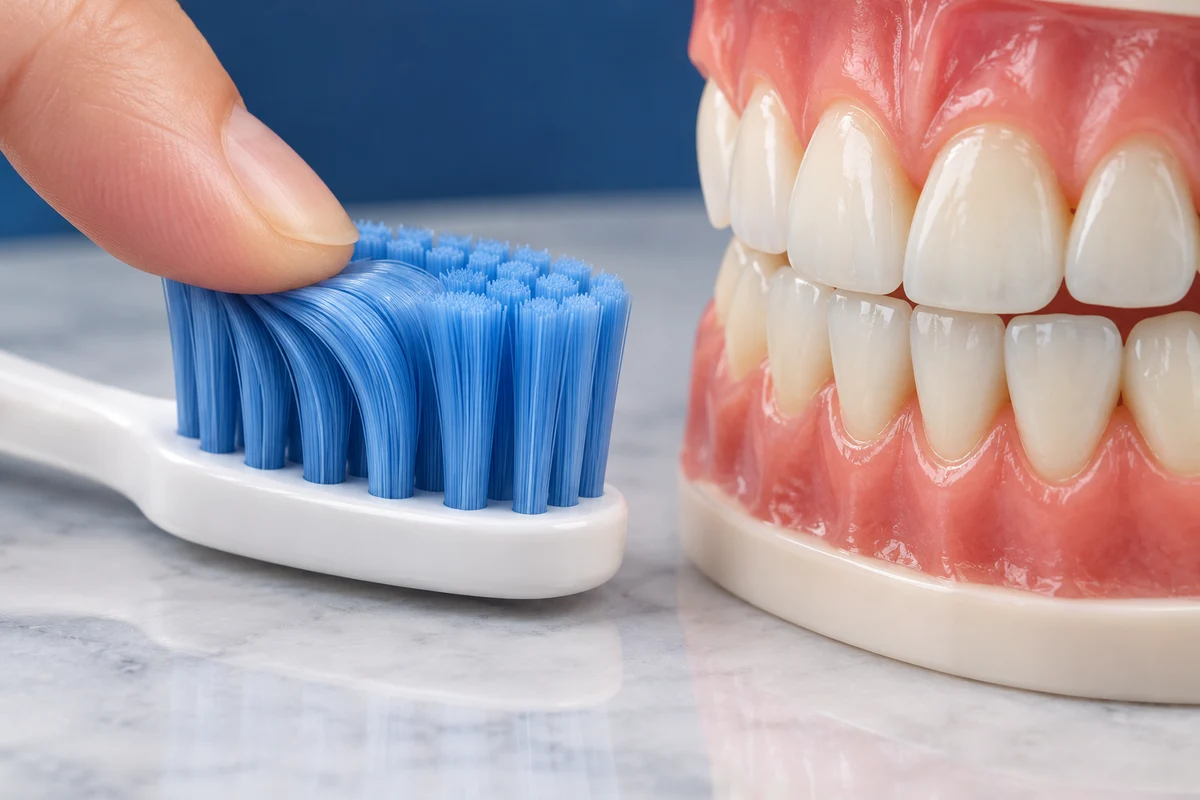
Gentle, effective cleaning remains important. If brushing hurts, a dentist or hygienist can help adapt the technique and products. Report persistent irritation from a sharp tooth, denture or restoration rather than trying to smooth it yourself.
Discuss medicines and nearby restorations.
Treatment aims to control symptoms and depends on the findings. Have the prescriber explain how to use any medicine, what benefit to expect and when it needs review. This page does not provide steroid directions or a replacement regimen.
Some reactions near restorations can resemble lichen planus. That does not justify replacing fillings without investigation. Before elective dental work, tell both teams about your diagnosis and current treatment so they can decide whether anything needs assessing first.
Report changes before the next routine review.
Keep the agreed review schedule even when your mouth feels comfortable. There is a small risk of cancerous change in oral lichen planus, which is one reason continuing examination matters. A population estimate cannot predict your personal risk.
Contact your dentist or oral medicine team about a new lump, a persistent ulcer, changing red or white areas, or worsening soreness. Seek prompt advice if discomfort makes drinking difficult. The clinician can decide whether the finding is a flare, another condition or something needing further investigation.
Read the related guidance
Keep the wider treatment plan in view while comparing these options.
Questions for a clinical assessment
Seek the local care described above first. When you speak with the clinician, these questions may help you understand the plan.
- Who should I contact after returning home, and how will reviews be arranged?
- Will I receive my treatment records and written care instructions?
- Who will carry out my treatment, and how can I check their qualifications and registration?
- Which options and alternatives should I discuss with the dentist?
Common questions
For future treatment planning, after appropriate clinical care: Compare starting prices in GBP, including zirconia crowns from £160. Your dentist confirms suitability and the full written quote.
About this information
Published by Best Smile Turkey, a health-tourism intermediary. Your treating dentist is responsible for assessment, treatment and care.
Use this information to prepare questions for your dentist. An examination is needed to advise on treatment. Photographs, models and previews cannot establish suitability or predict results.
Source checking is not a clinical review. How we use sources and images, or how to report a correction.
Sources and further reading
- Cambridge University Hospitals: lichen planus of the mouth Diagnosis, symptom control, restoration-related questions and continuing review.
- University College London Hospitals: lichen planus Comfortable mouth care, oral medicine review and reporting worsening symptoms.
- NHS: dental treatments explained An overview of crowns, bridges, veneers, implants and other options.
- General Dental Council: going abroad for dental treatment Questions to ask about the treating provider, follow-up arrangements and concerns.
These resources offer general guidance; their publishers do not endorse Best Smile Turkey or the treating provider. Manufacturer links identify products or records, not independently compared outcomes. NHS funding information concerns UK care, not treatment costs in Turkey.
Ask about this information or report a correction