

On this page
A KEY QUESTION
Get advice about the actual medicines before changing your feeding routine. Do not stop prescribed treatment or plan to discard milk on the basis of a general rule.
What the dentist needs to know
The NHS advises telling healthcare professionals that you are breastfeeding when discussing medicines. Your baby’s age and health can matter; mention prematurity or jaundice to the clinician advising on medicines. Share relevant details directly with the healthcare team, alongside your own medicine and allergy history.
Check the complete medicine plan
Ask for the names of medicines proposed during treatment and afterwards, including pain relief. A pharmacist or prescriber can assess the combination. “Dental medicine” is too broad a description to check reliably. Include any non-prescription or herbal products you already use.
The NHS Specialist Pharmacy Service recommends individual assessment and further expert advice where safety is uncertain. If advice differs between professionals, ask them to resolve it before you make changes.
Distinguish local anaesthetic from sedation
The NHS says dental treatment and local anaesthetics can be used while breastfeeding. That general advice does not settle every proposed drug combination. Sedation is a separate discussion: identify the medicine, intended effects and recovery instructions with the treating team.
SPS guidance on sedating medicines also considers infant monitoring and safe care after treatment. Ask what applies to you, especially if your baby is premature or unwell. This page gives no medicine selection or feeding interval.
Make the appointment practical
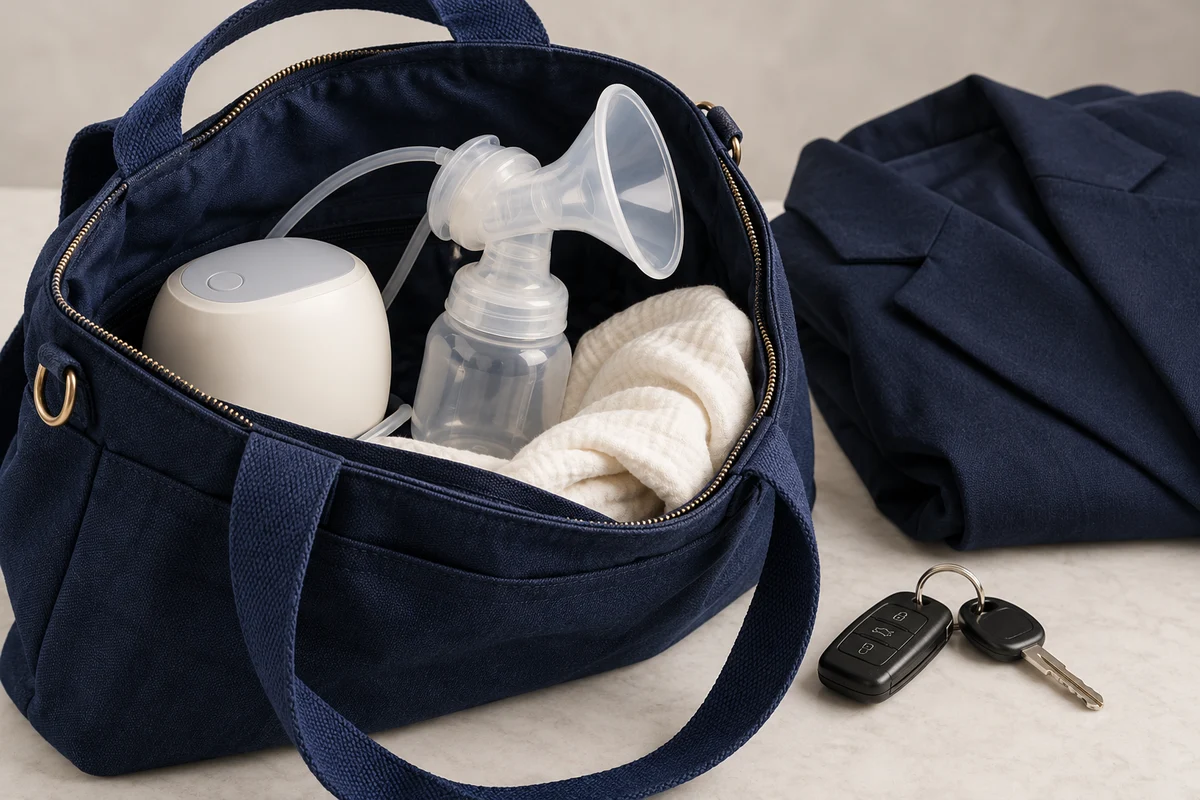
Explain your usual feeding routine and how long you expect to be away. If sedation is planned, arrange the escort and support specified by the clinical team, including help caring for your baby during recovery. Ask about feeding or expressing arrangements if the visit will be lengthy.
If someone advises interrupting breastfeeding, request the reason, exact medicine and individual alternatives. Avoid adopting a blanket “pump and discard” rule. Keep written instructions and a pharmacist or clinical contact for questions after the visit.
Read the related guidance
Keep the wider treatment plan in view while comparing these options.
Choose questions to ask.
Select your questions and copy the list, or open it as a WhatsApp draft. You can edit the message before sending.
Your consultation questions
Untick any questions you don’t need.
3 selected · No contact details needed.
Common questions
About this information
Published by Best Smile Turkey, a health-tourism intermediary. Your treating dentist is responsible for assessment, treatment and care.
Use this information to prepare questions for your dentist. An examination is needed to advise on treatment. Photographs, models and previews cannot establish suitability or predict results.
Source checking is not a clinical review. How we use sources and images, or how to report a correction.
Sources and further reading
- NHS: breastfeeding and medicines Dental care, local anaesthetics and relevant information for medicine discussions during breastfeeding.
- NHS SPS: advising on medicines during breastfeeding Individual assessment, communication and expert advice before recommending feeding changes.
- NHS SPS: benzodiazepines during breastfeeding Professional advice on sedating medicines and infant monitoring; recommendations need individual interpretation.
- NHS: dental treatments explained An overview of crowns, bridges, veneers, implants and other options.
- General Dental Council: going abroad for dental treatment Questions to ask about the treating provider, follow-up arrangements and concerns.
These resources offer general guidance; their publishers do not endorse Best Smile Turkey or the treating provider. Manufacturer links identify products or records, not independently compared outcomes. NHS funding information concerns UK care, not treatment costs in Turkey.
Ask about this information or report a correction