

On this page
A KEY QUESTION
Ask your dental and cardiac teams to agree a written plan. Do not start antibiotics or change heart medicines yourself.
What is antibiotic prophylaxis?
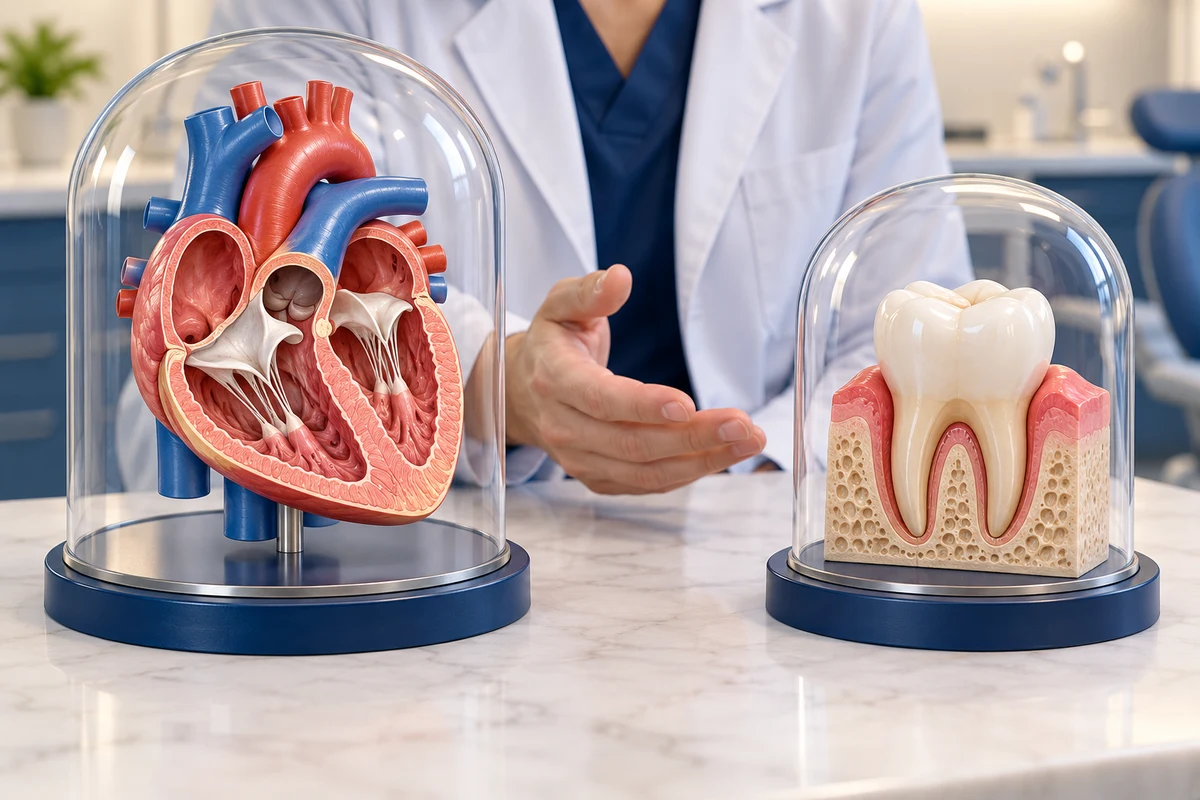
It means using an antibiotic around a procedure to reduce a particular infection risk. Here the concern is infective endocarditis, a serious infection of the heart’s lining or valves. This differs from treating a dental infection; an existing prescription may not cover the procedure.
Who needs it?
SDCEP’s March 2026 UK advice distinguishes high- and moderate-risk cardiac conditions and the procedures involved. Prophylaxis is recommended or considered in specified high-risk situations. It is not generally recommended for moderate-risk conditions unless the cardiac team specifies it.
Ask the dentist to explain which guidance applies to your records. Neither a blanket yes nor a blanket no is a safe personal rule.
Bring your cardiac records
Include clinic letters, valve replacement or repair details, previous endocarditis, congenital heart disease, implanted devices, medicines and antibiotic allergies. If information is missing, ask who will contact cardiology before elective treatment is booked.
Everyday prevention
Good oral health and regular dental care also matter. Agree a cleaning routine and review schedule. Ask the cardiac team which symptoms to report urgently. If you become unwell, tell the assessing clinician about your heart condition and recent dental work.
Treatment away from home
Confirm that the treating dentist has reviewed your cardiac records and agreed precautions before booking. Keep the instructions with you and update the team if your health, medicines or dental procedure changes. A travel booking is not clinical approval.
Read the related guidance
Keep the wider treatment plan in view while comparing these options.
Choose questions to ask.
Select your questions and copy the list, or open it as a WhatsApp draft. You can edit the message before sending.
Your consultation questions
Untick any questions you don’t need.
4 selected · No contact details needed.
Common questions
About this information
Published by Best Smile Turkey, a health-tourism intermediary. Your treating dentist is responsible for assessment, treatment and care.
Use this information to prepare questions for your dentist. An examination is needed to advise on treatment. Photographs, models and previews cannot establish suitability or predict results.
Source checking is not a clinical review. How we use sources and images, or how to report a correction.
Sources and further reading
- SDCEP: infective endocarditis, executive summary March 2026 UK implementation advice on risk groups, procedures and shared decisions.
- SDCEP: dental advice for people at risk of infective endocarditis Patient leaflet about oral health, sharing heart history and agreed preventive care.
- NHS: what happens at a dental appointment Medical history, oral examination and discussing the reasons for treatment.
- NHS: dental treatments explained An overview of crowns, bridges, veneers, implants and other options.
- General Dental Council: going abroad for dental treatment Questions to ask about the treating provider, follow-up arrangements and concerns.
These resources offer general guidance; their publishers do not endorse Best Smile Turkey or the treating provider. Manufacturer links identify products or records, not independently compared outcomes. NHS funding information concerns UK care, not treatment costs in Turkey.
Ask about this information or report a correction